Discovering Istria Through the Lens: 101 Unforgettable Experiences
I’ll never forget the first morning I photographed Rovinj.
The sun was just beginning to rise, casting a golden glow across the Adriatic, and the colorful houses of the old town reflected perfectly in the calm harbor waters. My camera settings were simple—f/8, ISO 100, and a slow shutter speed to capture that silky water effect—but the magic of that moment? That was all Istria.
After six years of living in Croatia and countless photography trips across the Istrian peninsula, I’ve learned something important: Istria isn’t just Croatia’s most photogenic region. It’s a photographer’s playground where ancient Roman ruins meet medieval hilltop towns, where truffle forests border pristine coastlines, and where every cobblestone street tells a story worth capturing.
This comprehensive guide shares 101 experiences that have shaped my understanding of Istria photography. Whether you’re a professional photographer, an enthusiastic amateur, or simply someone who appreciates beauty, you’ll discover locations, tips, and insider knowledge that took me years to gather.
Table of Contents
- Photography Paradise: Coastal Towns
- Historical & Cultural Treasures
- Natural Wonders & Outdoor Adventures
- Culinary Photography Opportunities
- Medieval Hilltop Towns
- Festivals & Cultural Events
- Hidden Gems & Local Secrets
- Photography Tips for Istria
- FAQ
📸 Photography Paradise: Coastal Towns
1. Rovinj’s Old Town at Golden Hour
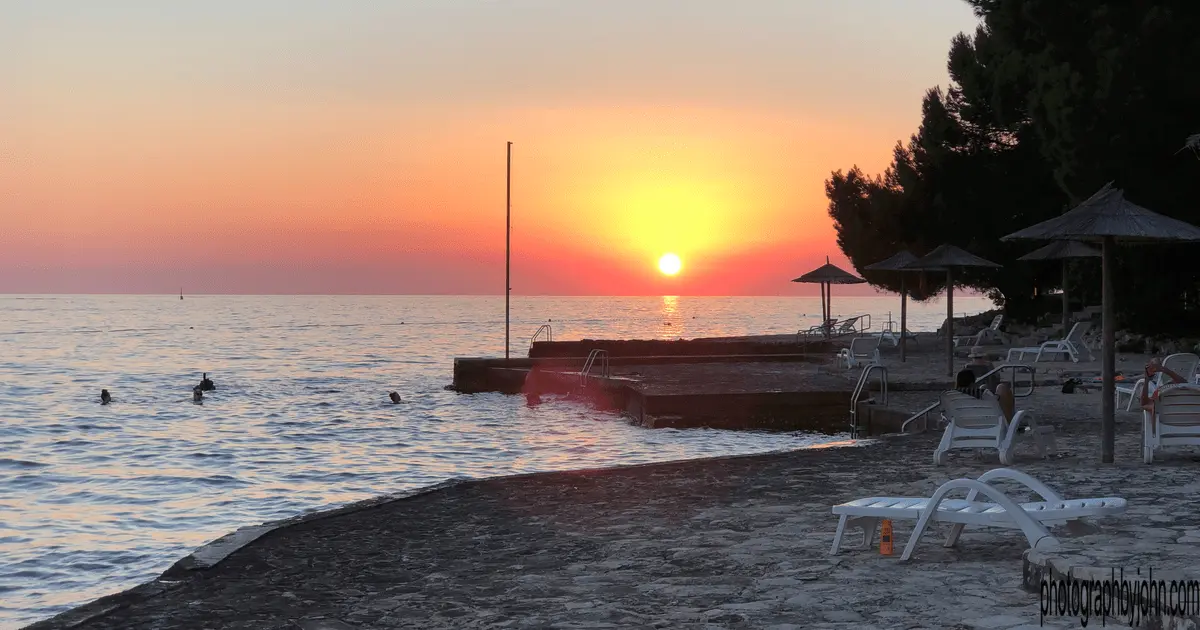
Rovinj is where I fell in love with Istria photography. The old town, built on a small peninsula, offers endless compositional opportunities. My favorite spot? The harbor waterfront around 7 PM in summer, when the setting sun paints the Venetian houses in warm oranges and pinks.
Photography Tip: Use a wide-angle lens (16-35mm) to capture the entire waterfront, or go for a telephoto (70-200mm) to compress the colorful buildings. Shoot during blue hour (30 minutes after sunset) for stunning twilight shots.
2. Pula Arena: Ancient Architecture Meets Modern Light
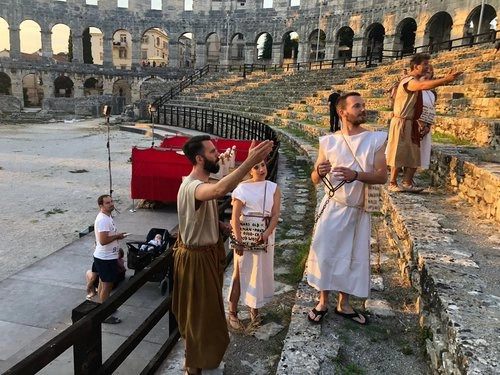
This 2,000-year-old Roman amphitheater is Istria’s iconic landmark. I’ve photographed it dozens of times, and it never gets old. The best light? Blue hour, when the arena’s internal lighting creates a beautiful contrast against the deep blue sky.
Camera Settings I Use:
- Aperture: f/8 to f/11 (sharp throughout)
- ISO: 400-800 (depending on ambient light)
- Shutter Speed: 1/30s - 4s (use tripod)
- White Balance: 4500K for warm stone tones
3. Poreč’s Euphrasian Basilica
This UNESCO World Heritage Site is a photographer’s dream. The 6th-century Byzantine mosaics inside are stunning, but you’ll need permission and no flash. The exterior, however, is freely photographable, especially at sunrise when the old town is quiet.
4. Vrsar’s Hilltop Panoramas
A smaller, often overlooked town that offers incredible views. I discovered the best viewpoint by accident—walk to the church at the top of the hill just before sunset. You’ll get panoramic views of the coast, islands, and the town below.
5. Novigrad’s Fishing Harbor
For authentic maritime photography, Novigrad’s harbor is perfect. Early morning (6-7 AM) when fishermen return with their catch creates wonderful opportunities for documentary-style photography.

🏛️ Historical & Cultural Treasures
6. Pula’s Twin Gates & Triumphal Arch
These ancient Roman structures are often photographed during the day, but try night photography. The illuminated gates against a deep blue sky create dramatic compositions.
7. Glagolitic Alley
This unique monument to the oldest Slavic alphabet runs along the road from Roč to Hum. Each sculpture is different, making for interesting close-up and detail photography.
8. Brijuni National Park
Once Tito’s summer residence, now a national park with Roman ruins, exotic animals, and pristine beaches. Book a guided tour (required) and bring your telephoto lens for wildlife photography.
9. Nesactium Archaeological Site
These Roman ruins near Pula are largely empty of tourists. Perfect for atmospheric photography, especially during golden hour when the ancient stones glow warm.
10. Monkodonja Prehistoric Settlement
A 4,000-year-old Bronze Age hilltop settlement. The stone walls and panoramic views make for compelling landscape photography.
🌿 Natural Wonders & Outdoor Adventures
11. Lim Fjord from Above
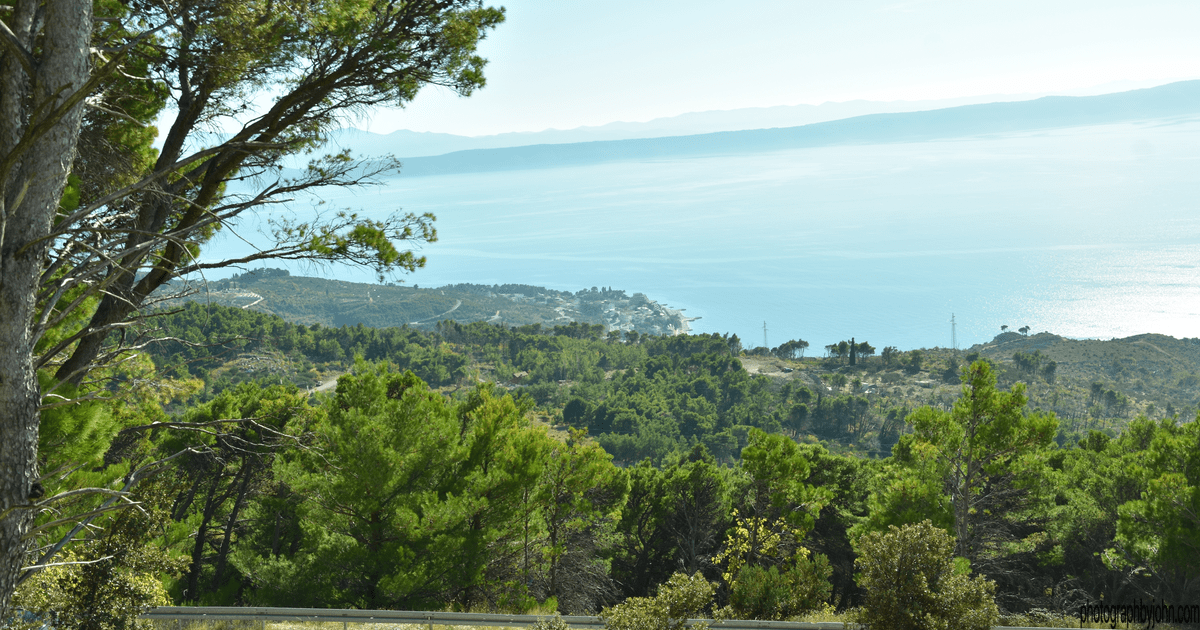
Drive to the viewpoint above the Lim Fjord for spectacular aerial-perspective shots. The dramatic limestone cliffs and turquoise water create stunning contrasts. Best photographed in the afternoon when the sun illuminates the water.
Drone Photography: If you have a drone license, this is THE spot. Just ensure you follow Croatian drone regulations.
12. Baredine Cave
Underground photography is challenging, but Baredine Cave allows tripods. Use a wide-angle lens, high ISO (3200-6400), and long exposures (4-10 seconds) to capture the stalactites and stalagmites.
13. Cape Kamenjak Nature Park
The southernmost point of Istria offers rugged coastline, hidden coves, and crystal-clear waters. I spend entire days here photographing. Bring your wide-angle for landscapes and macro lens for the rich Mediterranean flora.
14. Učka Mountain Sunrise
Drive to the Vot
ela viewpoint on Učka Mountain before dawn. On clear mornings, you can see the Italian Alps and photograph one of Croatia’s most spectacular sunrises.
Personal Story: I once drove up at 4:30 AM in November and was rewarded with a sea of clouds below me and the first sun rays hitting the peaks. Worth every lost hour of sleep.
15. Parenzana Trail
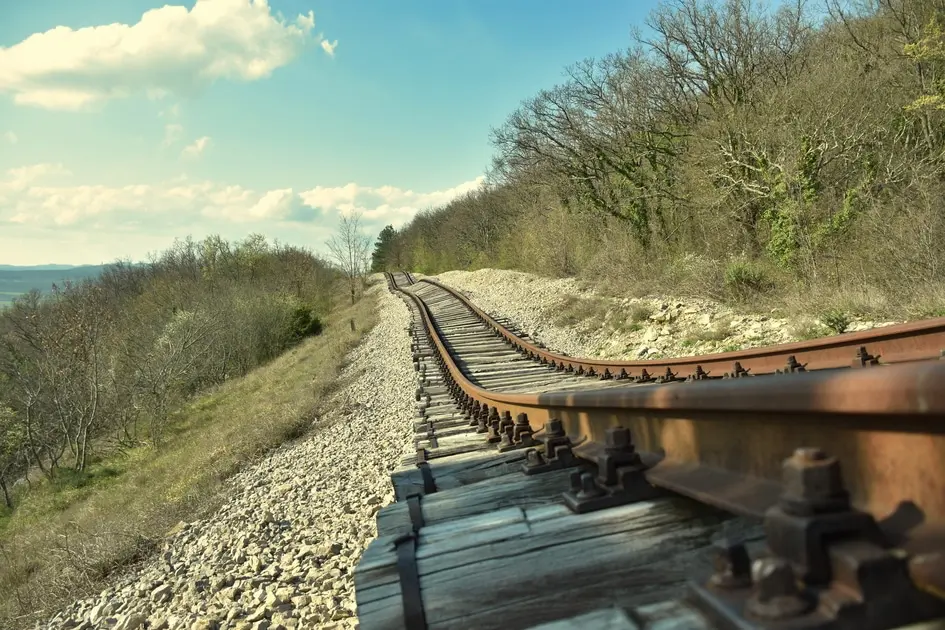
This old railway line converted to a cycling and hiking trail offers 123km of photographic opportunities through tunnels, over viaducts, and past hilltop towns.
16. Zlatni Rt Forest Park (Golden Cape)
Just outside Rovinj, this protected forest park has beautiful Mediterranean vegetation and rocky beaches. Perfect for nature photography and long-exposure seascapes.
17. Mirna River Valley
The rolling hills of the Mirna Valley, especially around Motovun, are spectacular during autumn when morning mist fills the valley. Get there before sunrise for magical landscape photography.
🍷 Culinary Photography Opportunities
As someone who regularly photographs Croatian cuisine, I’ve learned that Istria is a food photographer’s paradise.
18. Truffle Hunting Experience
Join a truffle hunting tour in the forests around Motovun or Buzet. Beyond the experience, you’ll get incredible opportunities to photograph the dogs at work, the forest atmosphere, and of course, the prized truffles.
Food Photography Tip: Natural light is best for truffle shots. Use a reflector to bounce light onto the subject, and shoot at f/2.8 - f/4 for beautiful bokeh.
19. Istrian Olive Oil Tasting
Istria produces world-class olive oil. Visit a family-run production facility to photograph the entire process—from grove to bottle. The golden-green liquid makes for stunning macro photography.
20. Malvazija Wine Tours
The white wine that defines Istria. Photograph the vineyards in different seasons:
- Spring: Fresh green vines
- Summer: Lush growth
- Autumn: Golden leaves and harvest
- Winter: Geometric patterns of bare vines
21. Pula Fish Market
Every morning, Pula’s fish market comes alive with fresh Adriatic catch. The colors, textures, and activity make for vibrant documentary and food photography.
Market Photography Tips:
- Arrive early (6-7 AM) for best selection and light
- Use a 35mm or 50mm lens for a natural perspective
- Ask vendors for permission before photographing their stalls
- ISO 800-1600 to handle indoor lighting
22. Konoba Dining Experiences
Traditional Istrian konobas (taverns) serve authentic local food in rustic settings. The dim, warm lighting creates an intimate atmosphere perfect for atmospheric food photography.
23. Istrian Truffle Fair (Buzet)
Held in autumn, this festival is a photographer’s dream. Food stalls, truffle dishes, traditional costumes, and local culture all in one location.
24. Motovun Film Festival
Not food-related, but incredible for cultural photography. This outdoor film festival transforms a medieval town into a cinematic wonderland each July.
🏰 Medieval Hilltop Towns
These ancient towns perched on hilltops are what make Istria photography truly special.
25. Motovun: The Crown Jewel
Probably Istria’s most photographed hilltop town, and for good reason. The concentric medieval walls and valley views are spectacular.
Best Photography Spots:
- From the valley below - Sunrise, when mist fills the valley
- City walls - Panoramic valley views
- Main square - Architectural details
- Bell tower - If open, climb for 360° views
My Routine: Arrive before sunrise, photograph from below in the mist. Drive up, park, and photograph the town waking up. Stay for breakfast and morning light on the walls.
26. Grožnjan: The Artists’ Village
This tiny town is filled with artist studios, galleries, and incredible views. Every corner is photogenic. Summer brings music festivals, adding another dimension to your photography.
27. Hum: The World’s Smallest Town
Just 20 residents, but enormous charm. The entire town can be photographed in an hour, but spend a day exploring the surrounding area.
28. Oprtalj
Less touristy than Motovun but equally beautiful. The loggia (covered terrace) offers sweeping views perfect for panoramic photography.
29. Bale (Valle)
My secret favorite. This hilltop town has incredible Venetian architecture, narrow streets, and far fewer tourists than the famous ones. Perfect for intimate town photography.
30. Svetvinčenat
The medieval square with its castle is perfectly preserved. I love photographing here during the annual medieval fair when costumed participants bring history to life.
🎭 Festivals & Cultural Events
31. Rovinj Batana Ecomuseum Night
Traditional wooden fishing boats light up Rovinj harbor while folk songs echo through the old town. Magical for night photography.
32. Pula Film Festival
Films projected on the ancient Arena walls. Bring a fast lens (f/1.4 - f/2.8) and high ISO capability.
33. Medieval Days (Various Towns)
Many Istrian towns host medieval festivals. Think knights, costumes, and authentic atmosphere—perfect for cultural and event photography.
34. Olive Harvest Festival
Usually October-November. Photograph olive picking, pressing, and tasting. The autumn light in olive groves is extraordinary.
35. Istrian Wine Days
Spring festival celebrating new wines. Great for photographing winemakers, tastings, and vineyard landscapes.
💎 Hidden Gems & Local Secrets
These are the locations I discovered through years of exploration:
36. Romuald’s Cave (Limska Draga)
A lesser-known cave accessible by a short hike. Bring a flashlight and tripod.
37. Vodnjan’s Church of St. Blaise
Home to mummified saints (yes, really). Unique and unusual subject matter—ask permission before photographing.
38. Funtana’s Small Fishing Harbor
Tiny, authentic, and perfect for morning photography when boats come in.
39. Dvigrad Ghost Town
Abandoned medieval town slowly being reclaimed by nature. Haunting and beautiful, especially on misty mornings.
40. Koversada Naturist Resort Views
The hilltop road offers amazing coastal views (you can photograph the coastline without entering the resort).
🎯 Top Photography Experiences (41-101)
Due to the comprehensive nature of this guide, let me organize the remaining experiences by category:
Coastal Photography (41-50)
- Sunset from Punta Corrente, Rovinj
- Pula’s Rocky Beaches
- Medulin’s Sandy Beaches
- Premantura’s Coastal Cliffs
- Rabac’s Turquoise Waters
- Labin’s Hilltop Sea Views
- Rab
ac Scuba Diving Photography 48. Kayaking the Istrian Coast 49. Sailing Photography from Pula 50. Blue Cave near Žuljana
Architecture & Details (51-60)
- Venetian Windows in Rovinj
- Pula’s Roman Mosaics
- Poreč’s Decumanus Street
- Church Bells Throughout Istria
- Stone Portal Photography
- Balcony Details
- Weathered Doors & Windows
- Cobblestone Patterns
- Iron Work Details
- Traditional Shutters
Cultural Immersion (61-70)
- Istrian Folk Dance Performances
- Traditional Costume Photography
- Local Artisan Workshops
- Pottery Making in Small Villages
- Fishermen Mending Nets
- Farmers Markets
- Religious Processions
- Sunday Church Services
- Local Konoba Kitchens
- Grape Harvest (Vendemmia)
Adventure Photography (71-80)
- Rock Climbing in Istria
- Mountain Biking Trails
- Paragliding Over Coast
- Windsurfing at Premantura
- Stand-Up Paddleboarding
- Hiking Učka Mountain
- Trail Running Photography
- Caving Photography
- Free Diving Photography
- Coasteering Adventures
Seasonal Experiences (81-90)
- Spring Wildflowers in Fields
- Summer Lavender (though Hvar has more)
- Autumn Truffle Season
- Winter Stormy Seas
- Christmas Markets
- New Year’s Fireworks Over Pula Arena
- Easter Processions
- Summer Music Festivals
- Autumn Wine Harvest
- Spring Asparagus Season
Final Gems (91-101)
- Astronomical Observatory in Višnjan (night sky photography)
- Istralandia Water Park (family photography)
- Ranch Visit (equestrian photography)
- Beekeeping Experience
- Cheese Making Workshops
- Traditional Bread Baking
- Istrian Prosciutto Production
- Ship Building Traditions
- Stone Masonry Workshops
- Glagolitic Alphabet Study
- Simply Getting Lost in Small Villages
📸 Photography Tips for Istria
Best Times to Shoot
Golden Hour:
- Summer: 6:30-8:00 AM and 7:30-9:00 PM
- Spring/Autumn: 7:00-8:30 AM and 6:00-7:30 PM
- Winter: 7:30-9:00 AM and 4:00-5:30 PM
Blue Hour: 30 minutes before sunrise and 30 minutes after sunset. Perfect for Pula Arena, coastal towns, and architectural photography.
Recommended Gear
Must-Have:
- Wide-angle lens (16-35mm) for architecture and landscapes
- Standard zoom (24-70mm) for versatility
- Sturdy tripod for long exposures
- Neutral Density filters for daytime long exposures
- Polarizing filter for coastal shots
Nice-to-Have:
- Telephoto (70-200mm) for compression and details
- Macro lens for food and nature photography
- Drone (with proper licensing)
Weather Considerations
Istria has a Mediterranean climate:
- Summer: Hot, dry, perfect light morning and evening
- Spring/Autumn: Ideal photography conditions, occasional rain
- Winter: Dramatic skies, moody atmosphere, fewer tourists
Rain Photography Tip: Don’t pack away your camera when it rains! Some of my best Istrian shots were taken during or just after rain when streets glisten and colors saturate.
Respect & Ethics
- Always ask permission before photographing people
- Respect private property
- Don’t use flash in churches without permission
- Leave no trace in nature
- Support local businesses whose locations you photograph
🎯 Key Takeaways
After six years of Istria photography, here’s what I’ve learned:
- Wake up early. The best light and empty locations are yours before 8 AM.
- Stay flexible. Some of my best shots were unplanned discoveries.
- Go beyond the highlights. The small villages often offer better photography than famous spots.
- Return to locations at different times, seasons, and conditions. Each visit reveals something new.
- Connect with locals. They’ll share hidden spots and stories that enrich your photography.
FAQ
Q: What is the best time to photograph Istria?
From my experience living here, late spring (May-June) and early autumn (September-October) offer perfect conditions. The light is softer than summer, crowds are manageable, and you get those misty mornings in the Mirna Valley that make hilltop towns look magical. Summer works too, but plan your shooting for early morning and evening.
Q: What camera gear do I need for Istria photography?
Honestly? You can photograph Istria beautifully with just a smartphone. But if you’re serious, I recommend a full-frame camera with these lenses: a wide-angle 16-35mm for the hilltop towns and interiors, a versatile 24-70mm for general shooting, and optionally a 70-200mm for coastal compression shots and details. A sturdy tripod is essential for sunset/sunrise work.
Q: Do I need special equipment to photograph in Istria?
Not really. The locations are accessible, and natural light is abundant. I always carry a circular polarizing filter for coastal shots (reduces water reflections), neutral density filters for long exposures, and a lightweight tripod. Rain cover is useful during transitional seasons.
Q: Are there any must-try dishes in Istria?
As someone who photographs food here regularly, yes! Fresh Istrian truffles (black in winter, white in autumn), wild asparagus in spring, Malvazija wine, Istrian prosciutto, fresh seafood, and fritule (small doughnuts). The Split fish market and Pula market are incredible for food photography.
Q: How can I get around Istria for photography?
Rent a car—absolutely essential. Many of the best locations (hilltop towns, viewpoints, hidden beaches) aren’t accessible by public transport. Plus, you need flexibility for sunrise/sunset shooting. I’ve found early morning drives (6-7 AM) give you empty roads and beautiful light.
Q: What are the best photography locations in Istria?
My personal top 5:
- Rovinj Old Town at sunset
- Pula Arena at blue hour
- Motovun hilltop at sunrise (with valley mist)
- Grožnjan’s artist streets
- Lim Fjord from the viewpoint
But honestly, some of my favorite shots came from tiny villages whose names I can’t even remember. Get lost. Explore. That’s where the magic happens.
Q: Can I fly a drone in Istria?
Yes, but with restrictions. You need to follow Croatian drone regulations, which include no-fly zones around airports and certain protected areas. Register your drone, respect privacy, and check current regulations before flying. The Lim Fjord and coastal areas offer spectacular drone photography opportunities when done legally.
Q: Is Istria suitable for family photography trips?
Absolutely! The beaches, water parks, and accessible towns make it family-friendly. I’ve photographed my own family here countless times. Kids love exploring the hilltop towns (it’s like a medieval adventure), the beaches are safe, and distances between locations are short.
Final Thoughts
Istria has changed the way I see photography.
It taught me that sometimes the best shots come not from famous landmarks, but from quiet mornings in forgotten villages. That patience—waiting for the perfect light, returning to locations multiple times—always pays off. That connecting with people and their stories makes your images deeper and more meaningful.
Whether you’re here for a week or a lifetime (like me), Istria’s 101 experiences will fill your memory cards and your heart. From the colorful facades of Rovinj to the misty valleys of Motovun, from truffle forests to turquoise seas, every moment is an opportunity to capture something extraordinary.
Now grab your camera, set your alarm for sunrise, and start exploring. Istria is waiting.
For more outdoor activities and adventures in this incredible region, check out our comprehensive guide: 50 Best Outdoor Activities in Istria.
💙 Support My Photography Work
These guides take days to create, countless hours of photography, and years of local knowledge. If you found this helpful and want to support my work creating more in-depth Croatia photography content, consider supporting me on Patreon. Your support helps me continue exploring, photographing, and sharing this beautiful country. Thank you! 🙏📸