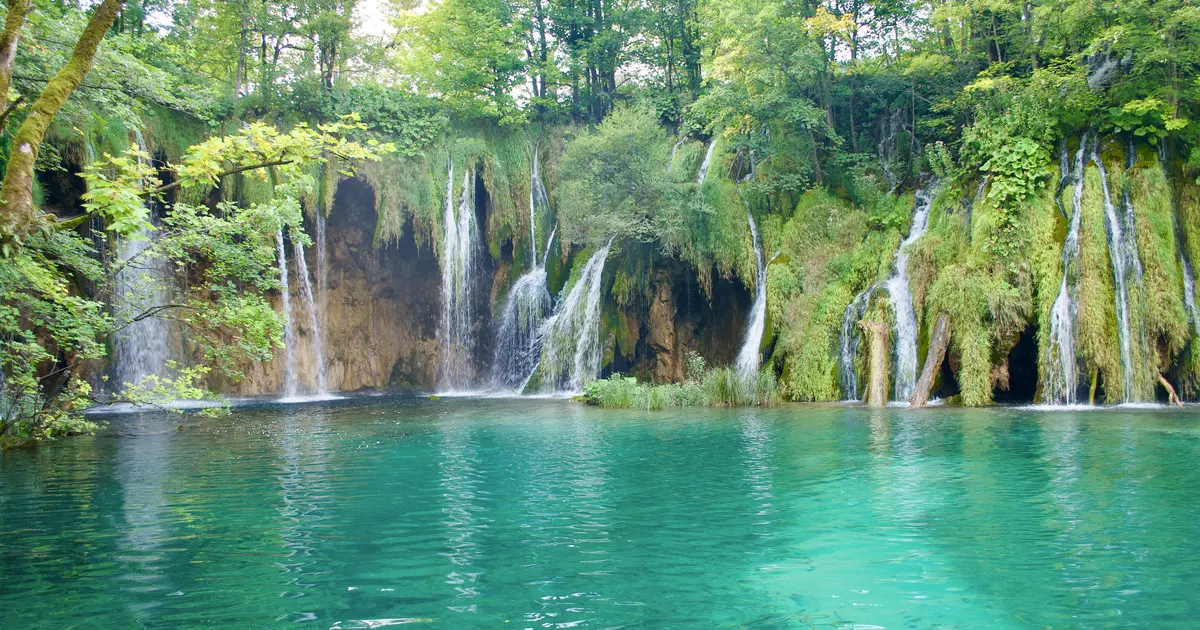
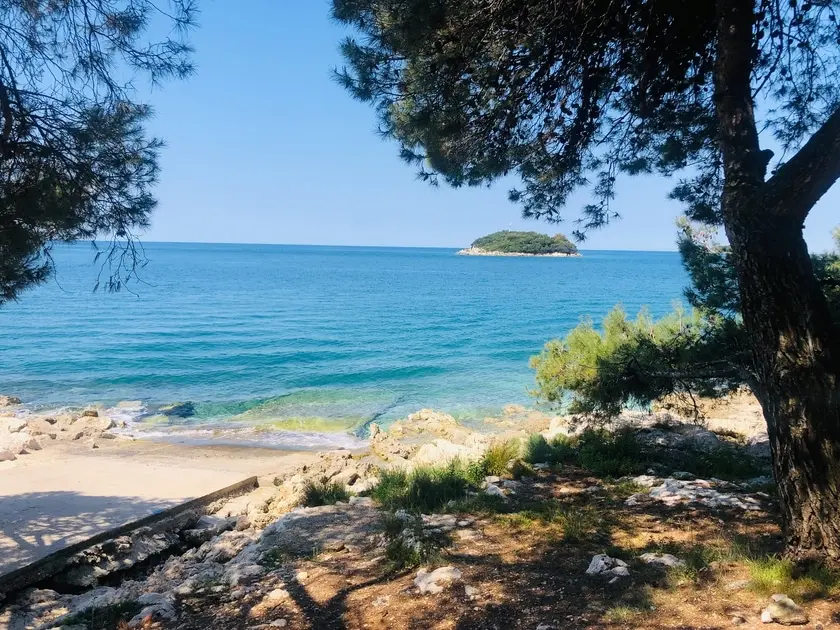
I remember the first time I saw Zlatni Rat from Vidova Gora mountain, 750 meters above the beach, looking almost straight down at that extraordinary horn of white pebbles extending into impossibly turquoise water. It was a clear September morning, and from that elevation, I could see everything - the beach’s distinctive shape that changes with currents and winds, the gradients of blue and turquoise as the shallow Adriatic deepens toward the channel, the island of Hvar across the water, the pine forest backing the beach. It was one of those moments where you understand why certain places become photographic icons.
Brač, the largest island in Central Dalmatia, offers photography opportunities far beyond its famous beach. The island’s brilliant white stone - quarried here for 2,000+ years and used to build Diocletian’s Palace and the White House - creates villages of luminous architecture that glow in golden hour light. Traditional harbors maintain authentic Dalmatian fishing culture. Dramatic mountain landscapes rise to 778 meters at Vidova Gora, the highest point in the Adriatic islands. Secluded coves offer pristine beach photography without Zlatni Rat’s crowds.
But photographing Brač presents specific challenges. Zlatni Rat’s summer crowds can number in the thousands, making clean landscape photography difficult. The brilliant white stone and pebbles create high-contrast, high-key scenes that challenge exposure management. The island’s size (40km long, 12km wide) requires strategic planning to photograph diverse locations efficiently. And the iconic aerial view from Vidova Gora demands early starts and often challenging hiking.
In this comprehensive guide, I’ll share everything I’ve learned from photographing Brač across multiple seasons - from camera settings for the brilliant white beaches to techniques for managing summer crowds, from village architecture photography to aerial perspectives, from timing and seasons to the hidden beaches that offer Zlatni Rat’s beauty without the masses.
Understanding Brač as a Photographic Subject
The Geography of White Stone and Blue Water
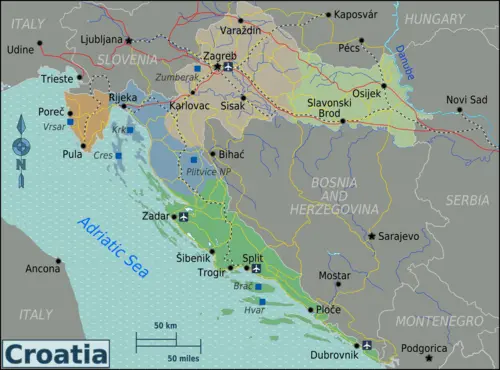
Brač sits in the heart of the Central Dalmatian archipelago, just south of Split (ferry: 50 minutes). The island’s distinctive character comes from its geology - Brač is essentially a massive limestone mountain rising from the sea, composed of that brilliant white stone that has made the island famous.
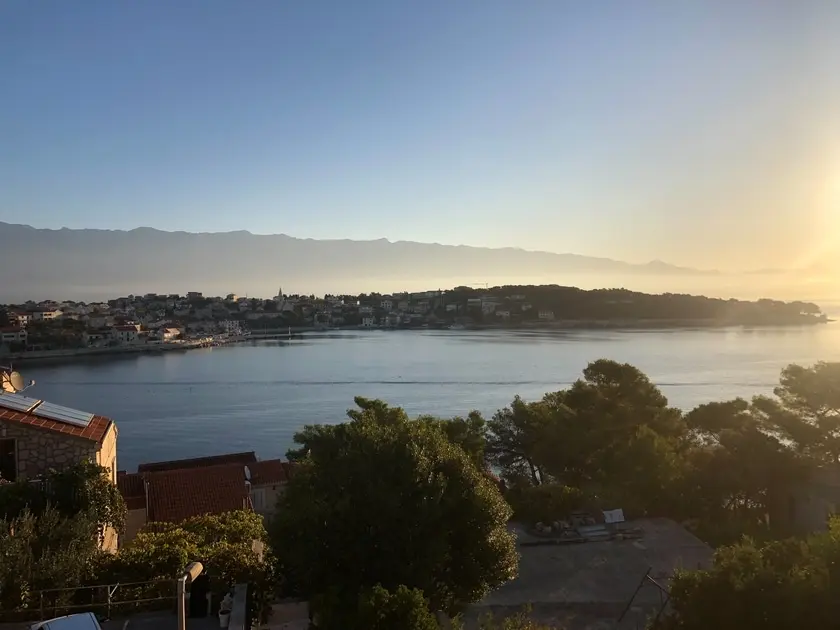
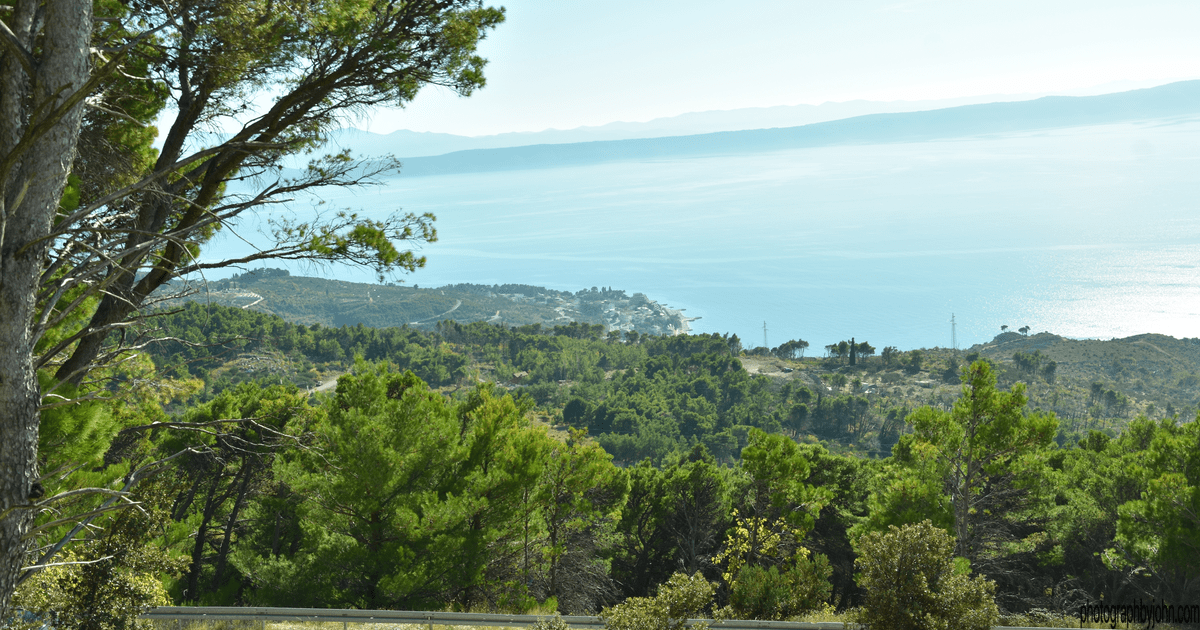
The southern coast faces the island of Hvar across the Hvar Channel. This shore features Brač’s most dramatic landscapes - steep mountains descending to pebble beaches, pine forests reaching the water, and clear shallow Adriatic creating extraordinary color gradients. Zlatni Rat sits on this south coast near the town of Bol.
The northern coast faces the mainland across the narrower Brač Channel. This shore is gentler, with traditional fishing villages like Sutivan and Supetar, working harbors, and a more authentic local character less influenced by tourism.
The interior rises dramatically to Vidova Gora (778m), creating opportunities for aerial perspective photography over the coast, olive groves, stone villages, and traditional agricultural landscapes.
Zlatni Rat: Croatia’s Most Iconic Beach
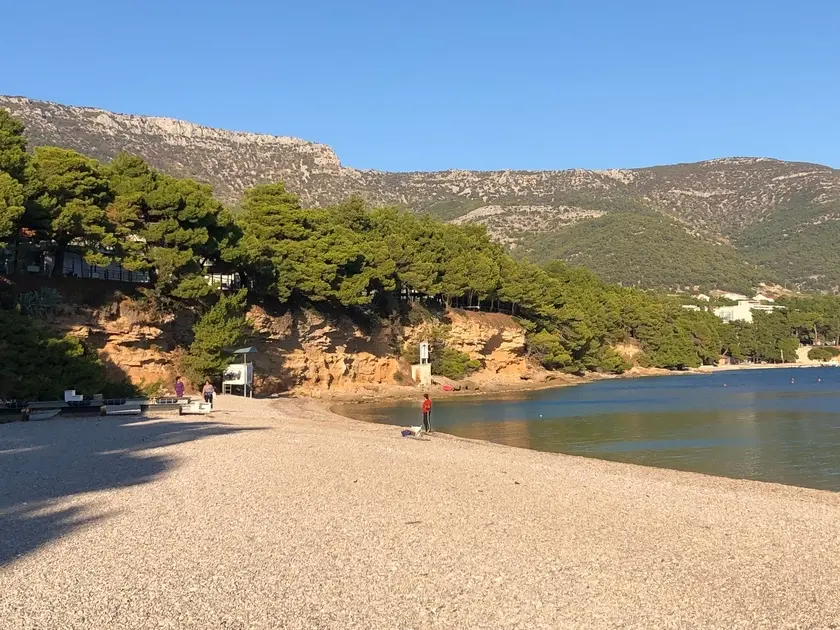
Zlatni Rat (Golden Horn or Golden Cape) is Croatia’s most photographed beach and one of the most distinctive coastlines in the Mediterranean. The beach extends roughly 500 meters into the sea from the pine forest, creating a horn or promontory of white pebbles.
What makes Zlatni Rat endlessly fascinating is that it’s not static - currents, winds, and tides shift the horn’s position by up to 50 meters, changing its exact shape and orientation. Sometimes it curves left, sometimes right, sometimes nearly straight. This dynamic quality means the beach photographs differently each visit.
From beach level, Zlatni Rat creates beautiful landscape compositions with the pine forest, mountain backdrop (Vidova Gora rising behind), and the island of Hvar across the channel. The shallow water displays stunning turquoise to deep blue color gradients.
From Vidova Gora above, the aerial perspective reveals the beach’s full form - the horn extending into the sea, the surrounding pine forest, the relationship to Bol town, and the broader coastal geography. This is one of Europe’s most spectacular viewpoints.
The White Stone Villages
Brač’s traditional villages showcase 2,000+ years of stonework tradition. The white Brač limestone - technically a brecciated limestone with marble-like qualities - creates architecture that is literally luminous in sunlight.
Pučišća, the island’s stonemasonry center, features the most exceptional stonework - buildings with intricately carved facades, ornate balconies, and decorative details that demonstrate master craftsmanship. The village also houses the Stonemasonry School where traditional techniques are taught.
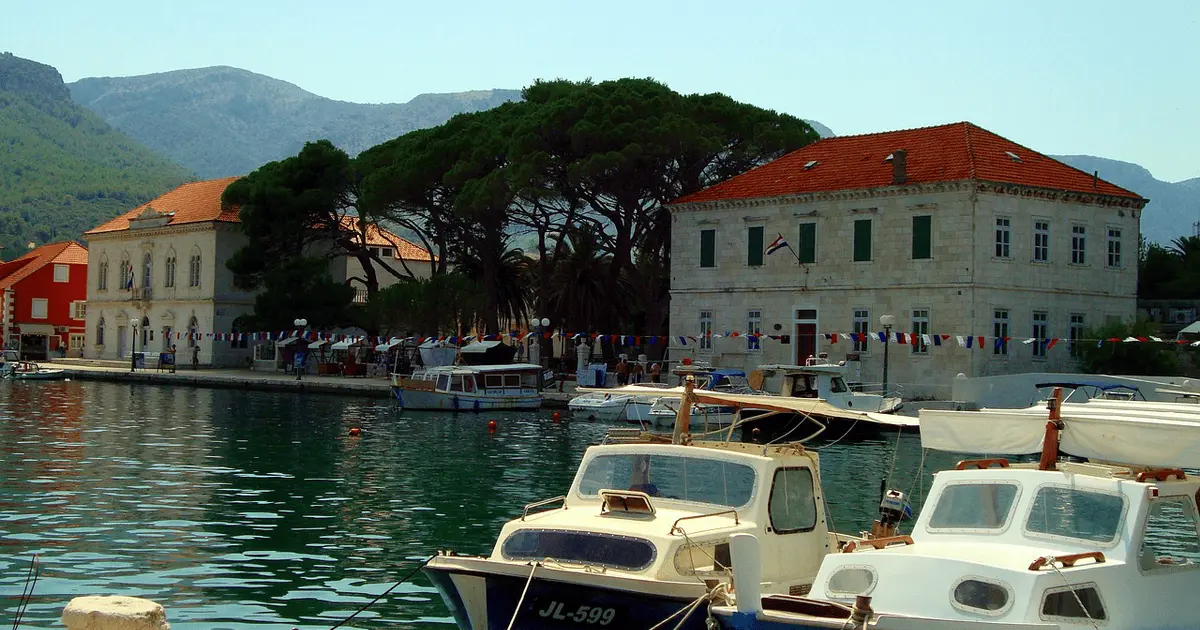
Sutivan, on the northern coast, maintains traditional fishing village character with stone houses, a working harbor, and authentic local life relatively untouched by mass tourism.
Bol, while more developed, still features beautiful stone architecture along its waterfront and in the old town.
These villages photograph beautifully during golden hour when warm light illuminates the white stone, creating textures and dimensional form.
Camera Settings for Brač Photography
Beach Photography (Zlatni Rat and Others)
Brač’s white pebble beaches create unique exposure challenges - the brilliant white stone wants to blow out while darker elements (pine forest, mountains) want to underexpose.
Standard Beach Landscape Settings:
- Aperture: f/11 to f/16 for maximum depth of field
- ISO: 100 (base ISO for finest quality and detail)
- Shutter Speed: Variable, typically 1/250s to 1/500s in bright sun
- Polarizing Filter: Essential - enhances water color, manages reflections
- Graduated ND Filter: 2-3 stop to balance bright beach and darker surroundings
Exposure Strategy: The white pebbles are the challenge. I meter on the brightest pebbles and watch the histogram - I want them just below the right edge (preserving detail) while accepting that shadows may go dark. Often I intentionally underexpose slightly (-0.3 to -0.7 EV) and recover shadow detail in RAW processing.
Water Color Enhancement: The polarizing filter is critical for Brač beach photography. Rotate it to find the angle that maximizes the turquoise water color while managing sky reflections. The shallow Adriatic over white pebbles creates extraordinary colors, but only if you use the polarizer correctly.
Vidova Gora Aerial Photography
Shooting from 750+ meters elevation requires specific approaches:
Settings:
- Aperture: f/11 to f/16 (hyperfocal distance technique for sharpness from foreground to infinity)
- ISO: 100-400 (bright conditions allow low ISO despite needing faster shutter for wind)
- Shutter Speed: 1/250s minimum (the summit is extremely windy)
- Polarizing Filter: Essential for cutting haze and enhancing contrast
- Focus: Manual focus at hyperfocal distance or careful AF on the beach below
Challenges:
- Atmospheric haze at this elevation reduces contrast and clarity - the polarizer helps dramatically
- Strong winds make tripod work challenging - use sturdy tripod with low center of gravity or weight bag
- The extreme distance (nearly 1km to the beach below) requires careful focusing
Best Timing: Sunrise offers magical light with calm conditions before afternoon winds build. Mid-morning (8:00-10:00 AM) also works well with clear light before haze increases.
Village and Architecture Photography
White stone architecture requires careful exposure:
Golden Hour Settings:
- Aperture: f/8 to f/11 for architectural sharpness
- ISO: 100-400 depending on light level
- Shutter Speed: 1/125s to 1/320s typically
- Exposure Compensation: Often -0.3 to -0.7 EV to preserve highlight detail in white stone
Approach: Meter on the white stone facades to preserve texture and detail. The stone is so bright that default metering often overexposes. Use histograms to confirm highlights aren’t clipped.
Seasonal Photography on Brač
Spring (April-June): Fresh and Uncrowded
Spring offers excellent photography conditions - reliable weather, lush green vegetation, wildflowers, and moderate crowds.
Advantages:
- Beautiful clear light with lower humidity than summer
- Green landscapes from spring rains
- Wildflowers across the island
- Moderate temperatures comfortable for hiking Vidova Gora
- Crowds haven’t peaked (especially April-May)
Timing:
- Late May-early June offers best combination of weather reliability and manageable crowds
- Sea temperature warming (18-22°C by June) but still refreshing
Summer (July-August): Peak Conditions, Peak Crowds
Summer guarantees excellent weather but brings massive crowds to Zlatni Rat.
Advantages:
- Most reliable weather (90%+ sunny days)
- Warmest sea temperatures (24-26°C)
- Longest days (sunset 8:00-8:30 PM)
- Vibrant beach atmosphere
Challenges:
- Zlatni Rat extraordinarily crowded (thousands daily)
- Harsh summer light midday
- Higher prices
- Afternoon winds (maestral) pick up strongly
Strategy: Shoot sunrise (5:30-7:00 AM) for empty beaches and soft light. Focus on details and alternative locations during midday crowds. Evening golden hour (7:00-8:30 PM) as day-trippers depart.
Autumn (September-October): Ideal Conditions
September is my favorite time for Brač photography - excellent weather with reduced crowds.
Advantages:
- Still warm and reliable (September especially)
- Sea temperature at yearly peak (23-25°C)
- Crowds reduce dramatically after schools restart
- Beautiful autumn light with increased clarity
- Lower prices than summer
Best Period: Early-mid September offers summer weather with autumn crowds (or lack thereof).
Winter (November-March): Solitude and Drama
Winter brings unpredictable weather but unique photography opportunities.
Advantages:
- Dramatic weather and cloudscapes
- Near-empty beaches and villages
- Clearest atmospheric conditions for Vidova Gora views
- Lowest prices
Challenges:
- Weather unpredictable (rain, wind, storms)
- Many facilities closed
- Reduced ferry schedules
- Cold (though rarely freezing)
Practical Photography Tips
Getting to Vidova Gora
The viewpoint is accessible by:
- Car: Winding mountain road from Bol (30-40 minutes), suitable for regular vehicles
- Hiking: Trail from Bol (2-2.5 hours ascent, strenuous but well-marked)
- Organized tour: Some tours include transport to summit
For sunrise photography, driving is practical (arrive 30-45 minutes before dawn). For daytime photography, the hike offers its own photography opportunities along the trail.
Gear Recommendations
Essential:
- Wide-angle zoom (16-35mm) for beaches and aerial perspectives
- Polarizing filter (critical for water colors and haze management)
- Graduated ND filter (2-3 stop) for balancing beach exposures
- Sturdy tripod for Vidova Gora’s wind
Highly Recommended:
- Standard zoom (24-70mm f/2.8) for versatility
- Strong ND filter (10-stop) for long exposures to remove crowds
- Lens cloth (sea spray and dust from pebble beaches)
Optional:
- Telephoto (70-200mm) for compression and detail isolation
- Fast prime (35mm or 50mm f/1.8) for evening village photography
Accommodation Strategy
Base yourself in Bol for Zlatni Rat and Vidova Gora photography, or Sutivan for authentic village atmosphere and easy access to northern locations. Having a car provides flexibility to explore the island comprehensively.
Key Takeaways
- Zlatni Rat is best photographed at sunrise (5:30-7:00 AM) for empty beach and beautiful light
- Vidova Gora viewpoint offers spectacular aerial perspective 750m above Zlatni Rat - arrive at sunrise for best conditions
- Camera settings for beaches: f/11-f/16, ISO 100, polarizing filter essential, watch highlights on white pebbles
- Best season: September for excellent weather with reduced crowds, or May-early June for spring beauty
- White stone villages photograph beautifully during golden hour (early morning or late afternoon)
- Crowds at Zlatni Rat: Manageable by arriving at sunrise, visiting shoulder season, or using ND filters for long exposures
- Polarizing filter is critical for enhancing turquoise water colors and cutting haze from Vidova Gora
- Wide-angle lens (16-35mm) essential for beach landscapes and aerial perspectives
- Exposure strategy: Meter on white pebbles/stone, slightly underexpose to preserve highlights, recover shadows in RAW
- Summer timing: Shoot early (sunrise-9:00 AM) or late (6:00 PM-sunset) to avoid harsh light and peak crowds
FAQ
[The 8 FAQs from the front matter are displayed here in the actual post]
Final Thoughts
Brač offers extraordinary photographic diversity compressed into a relatively small island - from the iconic aerial view of Zlatni Rat to secluded coves with pristine turquoise water, from villages of brilliant white stone to dramatic mountain landscapes reaching nearly 800 meters.
What keeps me returning to Brač is the quality of light on that distinctive white stone. Whether it’s the pebbles of Zlatni Rat glowing in sunrise light, the carved facades of Pučišća illuminated during golden hour, or the aerial view from Vidova Gora showing the full sweep of the Dalmatian coast, there’s something about the way light interacts with Brač’s white limestone that creates photographic magic.
The crowds at Zlatni Rat can be challenging in summer, but strategic timing - those golden sunrise hours when you have the beach to yourself, or the shoulder seasons when crowds thin dramatically - gives you access to one of the Mediterranean’s most beautiful beaches in conditions perfect for photography. And beyond Zlatni Rat, Brač offers countless quiet coves, traditional villages, and mountain viewpoints where you’ll rarely see another photographer.
If you’re photographing the Dalmatian islands, Brač deserves at least 2-3 days - one sunrise at Zlatni Rat, one sunrise from Vidova Gora, time to explore the villages and secluded beaches. Come prepared for brilliant white stone that challenges your exposure skills, bring your widest lenses and your polarizing filter, and expect to be surprised by an island that offers far more than just one famous beach.
Discover more Croatia photography guides💙 Support My Photography Work Enjoy these guides? Support me on Patreon to help create more in-depth photography content! 🙏