I remember my first visit to Croatia—I’d seen countless images of Dubrovnik’s terracotta roofs, Plitvice’s cascading waterfalls, and the turquoise Adriatic, but nothing prepared me for the overwhelming photographic abundance I’d encounter once I actually arrived with my camera.
Standing on Dubrovnik’s City Walls at sunrise, watching golden light illuminate the ancient limestone streets while the Adriatic sparkled below, I knew I’d found one of Europe’s most photogenic countries. But that was just the beginning. Over the following years as I explored every region—from Istria’s Venetian-influenced coastal towns to Dalmatia’s dramatic islands, from Plitvice’s ethereal waterfalls to the Roman grandeur of Split—I discovered that Croatia offers photographers an almost overwhelming variety of subjects.
This comprehensive guide represents years of photographing Croatia’s every region, returning to locations in different seasons and light conditions, refining techniques for specific challenges, and learning what truly works for capturing this Adriatic paradise. Whether you’re planning your first photography trip to Croatia or you’re a returning visitor seeking to expand your portfolio, this guide provides everything you need to photograph Croatia comprehensively and effectively.
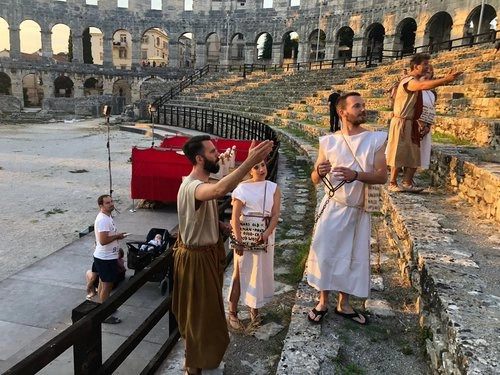
Croatia divides photographically into distinct regions, each offering unique character: Istria (the northern Adriatic peninsula with Venetian-influenced towns like Rovinj and Pula’s Roman arena), Dalmatia (the dramatic central and southern coast including Split, Dubrovnik, and the islands), and the Interior (national parks like Plitvice and Krka). Most photographers focus on Dalmatia’s headline attractions, but a comprehensive approach includes all regions for the fullest perspective on Croatian beauty.
In this guide, I’ll walk you through each major photography destination with specific technical guidance, ideal timing, compositional approaches, and practical logistics. You’ll learn not just where to photograph, but exactly how to capture each location at its best—camera settings for Dubrovnik’s brilliant limestone architecture, timing strategies to avoid crowds at Plitvice, the perfect lens choices for narrow medieval streets, and seasonal considerations that dramatically affect your results.
Let’s begin this photographic journey through one of Europe’s most spectacular and diverse countries.
Dubrovnik: The Pearl of the Adriatic
Dubrovnik represents Croatian photography’s ultimate challenge and reward—this UNESCO World Heritage city is stunningly photogenic yet receives over one million cruise ship visitors annually, creating crowd management challenges that require strategy and dedication.
The Iconic City Walls Photography
The 16th-century City Walls encircling Dubrovnik’s old town are your premier photography location. These limestone fortifications, up to 25 meters high and nearly 2 kilometers in circumference, offer elevated perspectives over the entire historic quarter—a photographer’s dream.
Access and Timing: The walls open at 8:00 AM (summer season). Arrive early—being among the first to enter gives you 30-45 minutes of empty-wall photography before tour groups arrive. Entrance costs €35 (as of 2025) and the complete circuit takes 2+ hours with stops.
Best Views: The northwest section provides the classic view looking east over orange-tiled rooftops with the Adriatic beyond. Shoot with wide-angle (16-24mm) to capture the geometric pattern of roofs against the sea. The highest point (Minčeta Tower) offers panoramic views in all directions. Photograph south toward Lovrijenac Fortress for fortress-on-fortress compositions.
Camera Settings:
- f/8 to f/11 for front-to-back sharpness
- ISO 100-200 for clean images
- Polarizing filter to deepen blue skies and reduce reflections
- Morning light (8:00-10:00 AM) provides soft illumination
- Watch exposure—bright limestone easily blows out; expose for highlights
Crowds: After 10:00 AM, especially when cruise ships dock, the walls become packed with tourists. Photograph around people (they’re part of the contemporary story) or return at 6:00-7:00 PM (last entry two hours before closing) when crowds thin.
Mount Srđ Cable Car Sunset
The Dubrovnik Cable Car ascends to Mount Srđ (412m elevation) in four minutes, delivering spectacular panoramic views over the entire city, coast, and islands. This is Dubrovnik’s premier sunset photography location.
Timing: Arrive 45 minutes before sunset to secure prime viewing positions and photograph as light changes from golden hour through blue hour. The cable car runs until 10:00 PM in summer, allowing blue hour photography.
Equipment: Telephoto zoom (70-200mm) compresses perspective and isolates city details. Wide-angle captures the full panorama. Tripod recommended for blue hour long exposures.
Composition: Photograph the old town from directly above, showing its compact medieval layout and the complete city walls circuit. Include Lokrum Island and the Elafiti Islands in wider compositions.
Old Town Street Photography
Dubrovnik’s limestone-paved Stradun (main street) and the maze of narrow side streets offer atmospheric urban photography—but timing is critical to avoid overwhelming crowds.
Strategy: Sunrise (6:00-7:30 AM) provides empty streets, beautiful warm sidelight, and magical quiet atmosphere. Blue hour (30-40 minutes after sunset) sees the old town illuminated beautifully while cruise passengers have departed. Shoot from elevated positions (stairs leading up from Stradun) to show the polished limestone pavement reflecting evening light.
Split & Diocletian’s Palace
Split, Croatia’s second city, centers around the extraordinary Diocletian’s Palace—a 4th-century Roman complex that forms the living heart of modern Split. This UNESCO site offers unique photographic opportunities where ancient and contemporary life intersect.
The Peristyle at Sunrise
The Peristyle, Diocletian’s Palace central square, features Roman columns, Egyptian sphinxes, and the Cathedral of St. Domnius—Split’s architectural heart.
Best Timing: Sunrise (6:00-7:30 AM in summer) provides empty space, beautiful sidelight on ancient columns, and zero tourists. The square faces east, receiving gorgeous morning illumination.
Camera Settings:
- Wide-angle (16-24mm) to capture the complete colonnaded square
- f/8 for sharpness throughout
- Expose carefully—bright limestone contrasts with shaded archways
The Peristyle transforms at blue hour when illuminated but this timing coincides with evening cafe crowds—a different energy than empty sunrise.
Underground Cellars
Below the palace, extensive underground chambers (once Diocletian’s storage and service areas) now house exhibitions. These atmospheric vaulted corridors offer dramatic architectural photography.
Settings: ISO 800-1600 for handheld shooting, or ISO 100 on tripod for long exposures. The subdued ambient lighting creates mood but requires higher ISO or tripod stability. Wide-angle lenses emphasize the arched corridors’ perspective.
Marjan Hill Viewpoint
Marjan Forest Park (178m elevation) west of the city provides elevated panoramic views over Split’s harbor, palace, and mountains beyond.
Access: Hike or drive to the viewpoints (Telegrin peak offers the classic panorama). Sunset photography from Marjan shows the city illuminated against the Adriatic.
Plitvice Lakes National Park
Plitvice represents Croatian natural photography at its most spectacular—16 terraced lakes connected by waterfalls, wooden boardwalks winding over turquoise water, and lush beech and fir forests creating an otherworldly landscape.
Essential Photography Strategy
Timing is Everything: Arrive when the park opens (7:00 AM in summer, 8:00 AM in winter) to access empty boardwalks. Tour groups arrive 9:00-10:00 AM, transforming the peaceful scene into chaos. Early entry is mandatory for quality photography.
Best Season: Spring (April-May) sees maximum water flow from snowmelt. Autumn (late September-October) offers spectacular fall colors—yellow and orange beech leaves contrasting with evergreen firs and turquoise water. Summer sees huge crowds but longest days; winter can be magical (frozen waterfalls, snow, solitude) but many boardwalks close due to ice.
Waterfall Photography Techniques
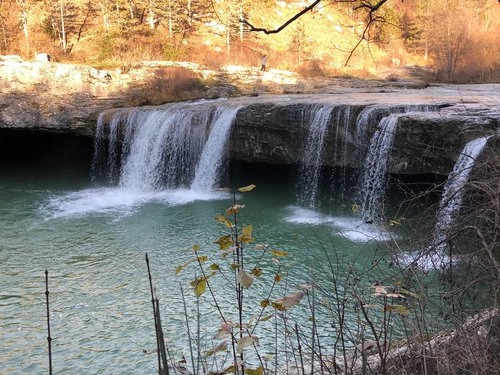
Plitvice’s countless waterfalls demand long-exposure silky-water technique:
Camera Settings:
- f/11 to f/16 for maximum depth of field
- ISO 100 for lowest noise
- 0.5 to 2 seconds shutter speed for smooth water flow
- ND filters (3-stop to 6-stop) essential for daytime long exposures
- Tripod mandatory—set up on boardwalks (allowed)
Composition: Include wooden boardwalks in foreground for human scale and leading lines. The Upper Lakes feature larger waterfalls with forest backdrops; Lower Lakes have dramatic cascades between limestone canyons. Veliki Slap (Big Waterfall, 78m) is Croatia’s tallest—photograph from the viewing platform with wider angles (16-20mm) to capture its full height.
Krka National Park
Krka offers more photography-friendly waterfall experiences than Plitvice—less crowded, easier access, and you can swim near some cascades (not at Plitvice).
Skradinski Buk
This massive cascading waterfall complex (17 steps over 800 meters) is Krka’s photographic highlight. Wooden walkways wind through the cascade, offering intimate perspectives.
Settings: Same long-exposure technique as Plitvice. The surrounding travertine barriers, traditional mills, and swimming areas provide variety. Photograph the wooden mill wheels (traditional flour mills) for cultural-historical elements.
Crowds: Morning photography (park opens 8:00 AM) avoids the worst crowds. Summer swimming areas get packed midday—photograph before 11:00 AM.
Rovinj: Istria’s Coastal Gem
Rovinj epitomizes photogenic Adriatic charm—colorful houses cascading down to the harbor, fishing boats moored along the waterfront, and St. Euphemia’s Basilica crowning the peninsula.
The Classic Harbor View
Photograph from the waterfront promenade south of the old town looking north—this captures the complete town clustered on its peninsula with the soaring basilica tower.
Best Timing: Sunset provides warm light on the colorful facades. Golden hour bathes the town in the signature Rovinj glow that has inspired countless photographers and painters. Blue hour shows the town illuminated beautifully.
Settings: f/8, wide-angle to mid-range (24-50mm), polarizer to enhance the harbor water’s color. Tripod for evening/blue hour shots.
Inside the Old Town
Rovinj’s narrow cobblestone streets (Grisia street particularly) offer atmospheric photography. Early morning (7:00-8:00 AM) provides empty streets, beautiful sidelight, and authentic local life—fishermen, cats, morning routines.
Island Photography: Hvar, Brač, Korčula
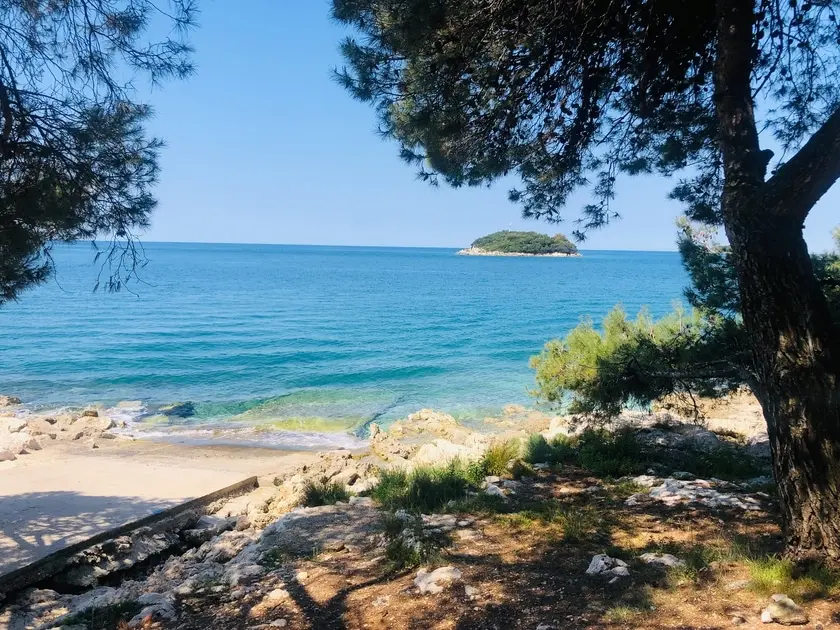
Croatia’s Adriatic islands each offer distinct photography opportunities and require ferry logistics.
Hvar: Lavender Fields and Venetian Harbor
Lavender Season: Late June through mid-July sees lavender blooming purple across Hvar’s interior. Photograph the geometric lavender fields with abandoned stone farmhouses and honey-colored stonewalls.
Hvar Town: The Fortica fortress above town offers panoramic harbor views—sunset photography from these walls captures the yacht-filled harbor and town against the Adriatic.
Brač: Zlatni Rat from Vidova Gora
Photograph Croatia’s most famous beach (Zlatni Rat’s distinctive horn shape) from Vidova Gora mountain (778m). The elevated perspective shows the unique pebble beach extending into turquoise water.
Access: Drive to Vidova Gora’s summit (narrow winding road, but passable) or hike (2-3 hours from Bol). Late afternoon light beautifully illuminates the beach and water gradations.
Planning Your Croatia Photography Road Trip
A comprehensive Croatia photography trip requires 10-14 days minimum. Here’s my recommended route:
Days 1-2: Dubrovnik (City Walls sunrise, Mount Srđ sunset, old town blue hour) Day 3: Drive to Split via Ston walls Days 4-5: Split (Diocletian’s Palace, day trip to Trogir) Day 6: Island (Hvar or Brač, overnight recommended) Day 7: Krka National Park en route to Plitvice Days 8-9: Plitvice Lakes (two full days for comprehensive photography) Days 10-11: Istria (Rovinj, Poreč, interior hilltop towns) Day 12: Pula Arena, return to Split or Zagreb
This circuit covers Croatia’s photographic highlights while minimizing backtracking.
Final Thoughts: Croatia’s Photographic Abundance
After years photographing Croatia extensively, I’m still discovering new perspectives, returning locations in different seasons, and finding fresh ways to capture this endlessly photogenic country. Croatia offers photographers rare abundance—medieval architecture, pristine coastline, spectacular waterfalls, vibrant cultural life, and Mediterranean light that makes everything glow.
The challenges—crowds at headline attractions, harsh midday coastal light, logistics of island ferries—are all manageable with planning and strategy. The rewards—images of stunning beauty capturing one of Europe’s most photogenic countries—make every effort worthwhile.
Whether you photograph Croatia’s famous landmarks or seek undiscovered corners, whether you chase perfect light or document authentic life, this Adriatic paradise delivers photographic opportunities that rival anywhere in the world.
Key Takeaways: Croatia Photography Guide
- Best Regions: Dalmatia (Split, Dubrovnik, islands), Plitvice/Krka National Parks, Istria (Rovinj, Pula)
- Optimal Duration: 10-14 days for comprehensive coverage
- Best Seasons: Spring (April-May) or Autumn (September-October) for ideal light, manageable crowds
- Essential Gear: Wide-angle (16-35mm), mid-range (24-105mm), tripod, ND filters, polarizer
- Timing Strategy: Sunrise/golden hour for architecture, early morning for national parks, blue hour for illuminated old towns
- Crowd Avoidance: Early morning (arrive when sites open), shoulder seasons, lesser-known alternatives
- Top Locations: Dubrovnik City Walls (sunrise), Plitvice waterfalls (early morning), Rovinj harbor (sunset), Diocletian’s Palace (blue hour)
- Budget: €150-250/day for comfortable photography travel including accommodation, food, transportation
💙 Support My Photography Work Creating these comprehensive guides requires years of on-ground photography experience and countless hours of writing. If this guide helps you capture stunning images of Croatia, please consider supporting my work on Patreon. Your support enables me to continue exploring and documenting Croatia’s incredible photography locations. Thank you! 🙏📸
Explore More Croatian Photography Guides:
- Dubrovnik Photography Guide - Complete guide to the Pearl of the Adriatic
- Plitvice Lakes Photography - Waterfall photography masterclass
- Rovinj Photography Guide - Capturing Istria’s colorful gem
- Split Photography Guide - Diocletian’s Palace and Dalmatian coast