Croatian Food Photography: Capturing Mediterranean Flavors
I’ll never forget the first time I photographed a traditional Peka being prepared in a small Istrian village. The elderly woman lifting the bell-shaped lid, steam billowing up into the golden afternoon light, revealing tender lamb and vegetables slow-cooked to perfection. That single moment taught me that Croatian food photography isn’t just about beautiful plates - it’s about capturing centuries of tradition, the connection to the land, and the pride in simple, honest cooking.
As a photographer who’s lived in Croatia since 2020, I’ve spent countless mornings at fish markets watching the dawn light illuminate silvery catches, afternoons in konoba kitchens learning why grandmothers insist on hand-rolling pasta, and evenings photographing sunset dinners where the Adriatic provides both the backdrop and the main ingredient. Croatian cuisine offers food photographers an incredible canvas: vivid colors from fresh produce, dramatic textures from grilled seafood, rustic authenticity from traditional presentations, and that intangible Mediterranean warmth that makes every meal feel like a celebration.
In this comprehensive guide, I’ll share everything I’ve learned about photographing Croatian food - from the technical camera settings that work best in dimly lit restaurants to the storytelling approaches that capture the soul of this cuisine. Whether you’re a professional food photographer planning a culinary assignment or a travel enthusiast wanting to document your Croatian food adventures, you’ll discover practical techniques and insider knowledge that only comes from years of shooting in this photogenic paradise.
You’ll learn:
- Camera settings and gear recommendations for different Croatian food photography scenarios
- The best markets, restaurants, and food experiences for stunning photos
- How to photograph specific Croatian dishes for maximum visual impact
- Lighting techniques for challenging restaurant and market environments
- Cultural etiquette and tips for photographing in traditional settings
- Post-processing approaches that enhance without losing authenticity
- How to tell compelling visual stories about Croatian food culture
Table of Contents
- Understanding Croatian Cuisine Through a Photographer’s Lens
- Essential Gear for Croatian Food Photography
- Mastering Light for Food Photography in Croatia
- Photographing Croatian Markets
- Restaurant Food Photography: Techniques and Etiquette
- Capturing Iconic Croatian Dishes
- Wine and Beverage Photography
- Storytelling Through Croatian Food Culture
- Post-Processing Croatian Food Photography
- Best Locations for Food Photography
- Seasonal Food Photography Opportunities
Understanding Croatian Cuisine Through a Photographer’s Lens
Before we dive into technical details, understanding what makes Croatian cuisine visually distinctive will elevate your food photography. Croatia’s culinary landscape divides into distinct photographic opportunities based on geography.
Coastal Dalmatia offers seafood-focused compositions with azure Adriatic backdrops. The food here is simple, fresh, and minimalist - think grilled fish on white plates, octopus salad with vivid greens, black risotto providing dramatic color contrast. As a photographer, I love the clean lines and Mediterranean color palette: whites, blues, silvers from fish, deep greens from olive oil, bright reds from tomatoes.
Istria presents an entirely different visual story. This is truffle country, where earthy browns and golds dominate. Pasta dishes glisten with truffle shavings, fuži topped with rich sauces, wild asparagus adding spring greens. The region’s Italian influence means more refined plating in upscale restaurants, while traditional agritourism venues offer rustic, family-style presentations perfect for overhead flat-lay compositions.
Inland regions like Slavonia showcase heartier fare photographed best with warm, autumnal tones. Meat stews, smoked sausages, paprika-spiced dishes, and river fish create rich, textured images. These dishes often come in traditional clay or copper cookware - fantastic props for authentic storytelling.
The key to great Croatian food photography is respecting this regional diversity while finding universal elements: the omnipresent olive oil catching light beautifully, the fresh herbs adding pops of green to every composition, the crusty bread that serves as both side dish and excellent foreground element, and the wine that reflects ambient light and adds sophistication to food styling.
Essential Gear for Croatian Food Photography
After years of lugging equipment through Croatian markets, restaurants, and food festivals, I’ve refined my kit to the essentials that deliver professional results without overwhelming your travel bag.
Camera Body
A mirrorless camera with good high-ISO performance is ideal. Many Croatian konobas (traditional restaurants) have romantic, candlelit ambiance - beautiful for dining, challenging for photography. I shoot with a full-frame mirrorless that handles ISO 3200 cleanly. Crop sensor cameras work perfectly fine; just plan for slightly higher noise in low light.
Lenses: The Critical Choice
For Croatian food photography, two lenses cover 90% of situations:
50mm f/1.8 or f/1.4: This is my workhorse lens. In restaurants, the focal length provides natural perspective without distortion. The wide aperture (f/1.8 or wider) performs beautifully in low light and creates that coveted shallow depth of field where the main dish stays sharp while the background softly blurs. Perfect for intimate food portraits.
35mm f/1.4 or f/1.8: My choice for market photography and environmental food shots. The slightly wider angle captures more context - the vendor behind the produce, the restaurant atmosphere, the table setting. Essential for storytelling compositions that show food in its cultural setting.
If you can only bring one lens, choose the 50mm. It’s versatile enough for both styled dishes and wider scenes if you step back.
Optional but valuable: An 85mm or 100mm macro lens for extreme close-ups of textures - truffle shavings, salt crystals on fish, olive oil droplets, wine in a glass. However, the 50mm can achieve most close-up work with extension tubes if needed.
Supporting Equipment
Circular Polarizer: Controls reflections on glossy plates and intensifies the blue of the Adriatic in outdoor dining shots. Invaluable for market produce photography - it makes tomatoes redder, greens more vibrant.
5-in-1 Reflector (small, collapsible): In restaurants, I often use the white or silver side to bounce window light onto the shadowed side of a dish. Folds down to nothing in your bag.
Lightweight Tripod: For indoor markets with lower light or when you want to shoot at f/8-f/11 for maximum sharpness. I use a compact carbon fiber tripod that doesn’t attract attention.
Lens Cloth: The Adriatic coast is humid, fish markets are wet, and condensation forms quickly when moving from air-conditioned restaurants to summer heat. Keep your front element clean.
Prime Lenses Over Zooms: While zooms are convenient, prime lenses force you to move and find better angles. Plus, their wider maximum apertures are crucial for Croatian restaurant lighting conditions.
What You DON’T Need
Leave the heavy flash equipment at home. Flash in restaurants disturbs diners and creates harsh, unnatural light that destroys the ambiance Croatian food deserves. Natural light and fast lenses produce far more appealing results.
Mastering Light for Food Photography in Croatia
Light makes or breaks food photography, and Croatia’s Mediterranean climate offers some of the world’s best natural light - when you know how to use it.
Golden Hour: Your Best Friend
In coastal restaurants with outdoor seating, the hour before sunset provides magical warm light. The low angle creates dimension and depth in food, casting subtle shadows that reveal texture. I specifically seek restaurants with west-facing terraces for evening shoots. The warm color temperature (around 3500K) enhances the natural tones of Croatian cuisine - it makes olive oil glow, adds richness to grilled meats, and creates an inviting atmosphere.
During golden hour, shoot at:
- Aperture: f/2.8 to f/4 for selective focus
- ISO: 200-400 (plenty of light available)
- White Balance: Daylight or Cloudy (adds warmth)
Midday Light: Handle with Care
Between 11 AM and 3 PM, Croatian sun is intense and creates harsh shadows - generally unflattering for food. However, if you’re photographing at beaches or outdoor markets during these hours, seek shaded areas. The open shade provides beautiful, even, diffused light perfect for food.
Alternatively, use harsh midday light creatively: the strong shadows can create dramatic, editorial-style food images. Position dishes so shadows add interest rather than obscure details.
Market Morning Light
The best time to photograph Croatian markets is 7-9 AM. The light is soft, directional but not harsh, and beautifully illuminates the colors of fresh produce. At Zagreb’s Dolac Market, morning light filters through the red umbrellas, casting a warm glow on vegetables. In coastal markets, the combination of morning light and proximity to water creates incredibly even, reflected light.
For market photography:
- Aperture: f/4 to f/5.6 (slightly deeper depth of field to show context)
- ISO: 400-800 depending on whether market is open-air or covered
- Shutter Speed: At least 1/125s (markets are dynamic; you need to freeze vendor movement)
Restaurant Interior Lighting
This is where Croatian food photography gets challenging. Traditional konobas pride themselves on intimate, dim ambiance. Here’s my approach:
Window Light Strategy: Always request a table near windows. Position yourself so the window is to your left or right (side lighting). This creates dimension and prevents flat, lifeless food images. If the light is too harsh, I ask staff if I can partially close curtains to diffuse it.
Camera settings for window-lit restaurant interiors:
- Aperture: f/2.0 to f/2.8 (need all the light you can get)
- ISO: 800-1600 (modern cameras handle this well)
- Shutter Speed: 1/60s minimum for handheld; use image stabilization if your lens has it
- White Balance: Auto or custom (restaurant lighting varies wildly)
Candlelight and Ambient Light: Some restaurants use candlelight or warm pendant lights. While romantic, this creates challenging orange/yellow color casts. Embrace it rather than fight it - the warm tones add intimacy to the image. Just ensure white balance is set appropriately (try Tungsten or custom WB).
For very dim restaurants, I sometimes increase ISO to 3200 and plan to reduce noise in post-processing. A slightly grainy but properly exposed image beats an underexposed, blurry one.
Overcast Days: Secret Weapon
Overcast skies act as a giant diffuser, creating soft, even light perfect for food photography. Some of my best Croatian food shots were captured on cloudy days when the harsh Mediterranean sun was filtered. Colors remain saturated, shadows are minimal, and you have flexibility in shooting angles.
Photographing Croatian Markets
Croatian markets are a food photographer’s paradise. The colors, textures, authentic vendors, and cultural atmosphere create endless compositional opportunities.
Dolac Market, Zagreb
This is Croatia’s most photographed market, and for good reason. The iconic red umbrellas provide natural color framing for produce below. I arrive at 7:30 AM when vendors are still setting up - they’re more relaxed, light is perfect, and crowds haven’t arrived.
Photography Tips:
- Shoot from above (standing) to capture the pattern of umbrellas and produce displays
- Get low for vendor portraits with their produce as foreground bokeh
- Use the stone architecture surrounding the market as a textural backdrop
- Focus on color groupings: all the red tomatoes together, pepper displays, flower stalls
Best Subjects: Cheese vendors in the underground section (beautiful stone arches), flower displays, seasonal produce like autumn pumpkins or summer peaches.
Pula Market
Located near the Roman amphitheater, this market combines ancient architecture with vibrant food culture. Morning light here is exceptional because the covered market hall diffuses it perfectly.
I love photographing the fish section - silvery catches displayed on ice, weathered fishermen’s hands, the play of light on scales. For the freshest displays and best light, arrive by 8 AM.
Split’s Green Market (Pazar)
This market pulses with energy. It’s larger, more chaotic, and more challenging to photograph, but the authenticity is unmatched. The Dalmatian characters here are incredible subjects - weathered faces, animated conversations, pride in their produce.
Technical Approach: I shoot at f/4 to f/5.6 here (more depth of field to capture the market energy) and keep shutter speed at 1/250s to freeze the action. ISO around 400-800 works in the covered sections.
Rovinj Market
Smaller and more intimate than Zagreb or Split, this market’s advantage is the harbor backdrop. You can compose shots of produce with colorful boats and turquoise water in the background - distinctly Croatian.
Photography Strategy: Arrive early (7 AM), focus on close-ups of produce that show the Mediterranean abundance, and include the harbor in wider environmental shots. The market is small, so you can cover it thoroughly in an hour.
Market Photography Etiquette
Croatian market vendors are generally warm and proud of their products, but always be respectful:
Ask Permission for Portraits: A smile and gesturing to your camera usually gets approval. Many vendors enjoy being photographed.
Buy Something: If you’re spending significant time photographing a vendor’s stall, purchase some fruit, cheese, or vegetables. It’s courteous and provides props for styled shots later.
Avoid Flash: Natural light is abundant and far more flattering. Flash annoys vendors and creates harsh, unappealing light.
Don’t Interfere with Business: Step aside when customers are shopping. Early morning means less interference.
Learn Basic Croatian: “Mogu li fotografirati?” (May I photograph?) goes a long way. Vendors appreciate the effort.
Composition Ideas for Markets
- Overhead Flat Lays: Arrange purchased produce on a wooden market table for Instagram-worthy flat-lay compositions
- Hands and Produce: An elderly vendor’s hands holding tomatoes tells a beautiful story
- Color Blocking: Photograph sections where similar colors cluster - all the green vegetables, all the red fruits
- Scale and Abundance: Wide shots showing the overwhelming variety and abundance
- Details: Water droplets on lettuce, texture of bread crusts, patterns in stacked fruits
Restaurant Food Photography: Techniques and Etiquette
Photographing food in Croatian restaurants requires balancing technical skill with cultural sensitivity and social awareness.
Choosing Photography-Friendly Restaurants
Not all restaurants are equally suited for food photography. Here’s what I look for:
Excellent Natural Light: Restaurants with large windows, outdoor terraces, or skylights. In Dubrovnik, restaurants along Stradun with outdoor seating provide perfect light. In Rovinj, waterfront restaurants catch reflected light from the harbor.
Beautiful Plating and Presentation: High-end restaurants in tourist areas like Dubrovnik and Hvar typically present dishes elegantly. However, don’t overlook traditional konobas - the rustic, family-style presentation often photographs more authentically.
Photogenic Interiors: Stone walls, wooden beams, nautical decor, checkered tablecloths - these details add Croatian character to food photos. The interior becomes part of the story.
Accommodating Staff: Upscale restaurants expect photography; traditional konobas may be less familiar with it. A friendly conversation with the owner explaining your interest in documenting Croatian cuisine usually gains permission and sometimes special access to the kitchen.
The Technical Approach
When your dish arrives, work quickly. Croatian restaurants serve food hot, and steam, texture, and presentation degrade within minutes.
My Standard Restaurant Workflow:
- Assess the Light: Where is it coming from? Can I improve it with a small reflector?
- Clear the Table: Remove distracting elements - extra napkins, salt shakers, phones. Keep only what tells the story.
- Shoot Multiple Angles:
- 45-degree angle: Most flattering for dishes with height (soups, pasta, layered dishes)
- Straight-on: Works for burgers, sandwiches, anything stacked vertically
- Overhead (flat lay): Beautiful for sharing platters, pizza, full table settings
- Vary Depth of Field: Start at f/2.8 for beautiful bokeh, then shoot a few at f/5.6 for more context
- Capture Details: Close-up of the truffle shavings, the char marks on octopus, the herb garnish
- Include Context: A hand reaching for bread, wine glasses in the background, the restaurant interior
Camera Settings for Most Restaurant Situations:
- Mode: Aperture Priority (you control depth of field; camera manages shutter speed)
- Aperture: f/2.8 to f/4
- ISO: Auto ISO with maximum limit of 3200
- White Balance: Auto (or custom if restaurant has strong color cast)
- Focus Point: Single-point AF on the closest part of the main element
Styling Restaurant Food
Unlike studio food photography where you control everything, restaurant photography requires working with what’s served. However, minor adjustments improve results:
- Wipe Plate Edges: Smudges and drips distract. Discreetly clean with a napkin.
- Add Height: If a dish looks flat, use a fork to lift a pasta strand or position bread at an angle.
- Garnish Placement: Sometimes parsley lands awkwardly. Reposition it thoughtfully.
- Props: Include the wine bottle, a slice of bread, olive oil in a small dish - elements that tell the Croatian dining story.
- Napkin and Cutlery: A linen napkin casually placed adds texture and color contrast.
Restaurant Photography Etiquette in Croatia
Croatian restaurant culture is relaxed and hospitable, but respect boundaries:
DO:
- Ask permission, especially in family-run konobas
- Keep shooting time brief (2-3 minutes per dish)
- Avoid flash completely
- Compliment the chef or owner afterward
- Offer to share photos for their social media (builds goodwill)
- Be discreet - don’t stand on chairs or create a spectacle
DON’T:
- Use flash or bright phone lights
- Rearrange table settings extensively
- Make other diners uncomfortable
- Shoot during peak service when staff is overwhelmed
- Post negative reviews alongside poor food photos
I’ve found that explaining you’re documenting Croatian cuisine for a blog or publication (if true) or simply that you’re passionate about food photography makes restaurant staff incredibly helpful. Many chefs take pride in their work and appreciate the attention.
Special Access Opportunities
If you’re serious about Croatian food photography, reach out to restaurants in advance. I’ve gained kitchen access, met with chefs before service, and photographed food preparation by simply emailing restaurants explaining my project. Offer them high-quality images in exchange - it’s mutually beneficial.
The best time for this access is late morning (10-11 AM) when chefs are preparing but not yet serving lunch. You can photograph ingredient preparation, cooking processes, and the kitchen atmosphere without interfering with service.
Capturing Iconic Croatian Dishes
Each traditional Croatian dish presents unique photographic challenges and opportunities. Here’s how I approach the most iconic foods.
Grilled Octopus (Hobotnica)
This is one of Croatia’s most photogenic dishes. The char marks create beautiful texture, the purple-gray color contrasts beautifully with green olive oil and herbs, and the dish often comes on simple white plates that don’t compete visually.
Photography Approach:
- Angle: 45 degrees to show the tentacle curves and char texture
- Aperture: f/2.8 to blur the background while keeping the octopus sharp
- Lighting: Side light creates shadows that emphasize the char marks and texture
- Styling: Drizzle of olive oil catching light, lemon wedge for color pop, rough sea salt visible
- Background: Keep simple - white or wooden plates work best
The key is capturing the texture. Get close enough to see the char, the meat’s tenderness, the oil glistening.
Black Risotto (Crni Rižot)
Visually dramatic with its deep black color from cuttlefish ink, this dish demands careful attention to contrast and detail.
Photography Challenges: Black food is notoriously difficult. Your camera’s meter will want to overexpose, turning the risotto gray instead of rich black.
Solutions:
- Exposure Compensation: Dial down -1 to -1.5 stops to maintain the deep black
- Contrast: Serve on bright white plates for maximum visual impact
- Garnish: The parsley or seafood garnish becomes crucial for color and focal point
- Lighting: Soft, diffused light prevents harsh reflections on the wet risotto surface
- Composition: Overhead shot shows the risotto’s texture; side angle emphasizes the plate contrast
I often include a fork lifting a portion to show the texture and consistency - it adds dynamism to an otherwise static dish.
Peka (Under-the-Bell Meat and Vegetables)
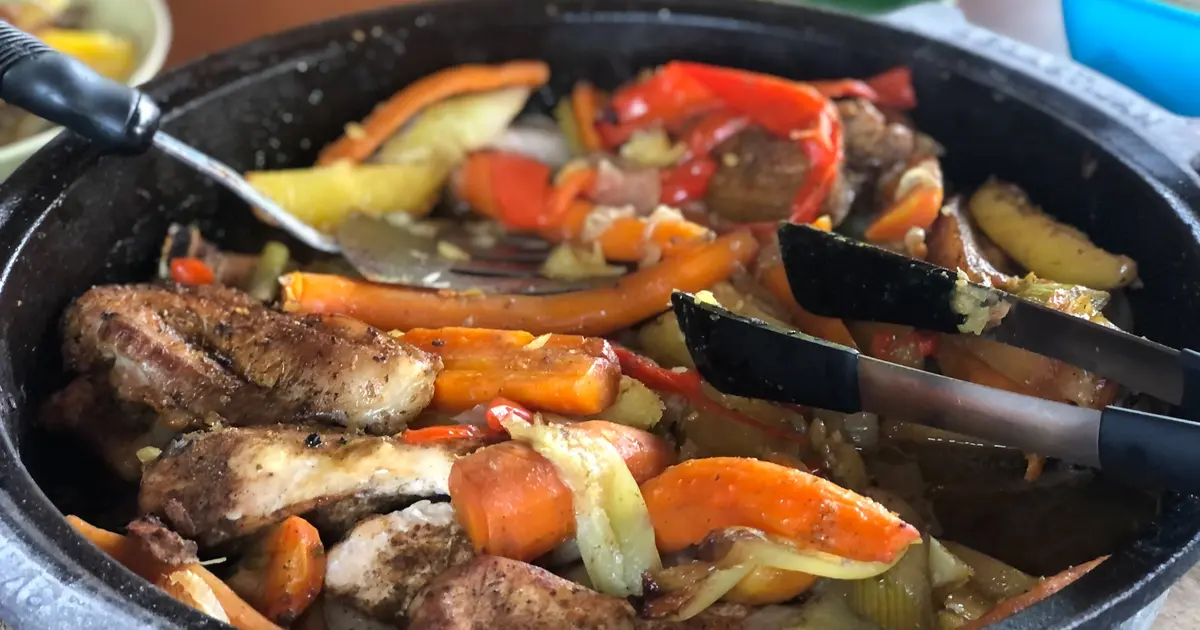
Peka’s photographic story begins before the lid comes off. This slow-cooked dish prepared under a metal or clay bell with coals on top is as much about process as result.
Three-Stage Photography Approach:
- Preparation: Raw ingredients laid out, the bell, the coals - tells the traditional story
- The Reveal: Steam billowing as the bell is lifted (requires fast shutter speed: 1/250s minimum)
- The Plated Result: Tender meat and vegetables in rustic presentation
Technical Settings for the Reveal:
- Shutter Speed: 1/250s to freeze the steam
- Aperture: f/4 to f/5.6 (need depth of field to keep both the hand lifting and the food sharp)
- Continuous Shooting Mode: The perfect moment lasts seconds
- Focus: Pre-focus on the food before the bell is lifted
Peka is almost always served in family-style portions directly from the cooking vessel. Overhead shots work beautifully here, showing the abundance and rustic authenticity.
Istrian Truffle Dishes
Whether shaved over pasta, stirred into risotto, or topping scrambled eggs, truffles demand close-up photography to show their value and delicacy.
Photography Approach:
- Macro or Close-Focus: Get close enough to see individual truffle shavings
- Aperture: f/2.8 to f/4 - isolate the truffles while softly blurring everything else
- Action Shot: Photograph the truffle being shaved tableside (many Istrian restaurants do this)
- Color Palette: Truffles are earthy browns; contrast with bright white pasta or golden pasta
- Lighting: Soft, directional light to show the truffle’s texture and the dish’s steam
I love including the truffle in the background, slightly out of focus, to show what’s being added to the dish. It provides context and emphasizes luxury.
Pršut and Cheese Platter
This Croatian charcuterie offers excellent styling opportunities and is forgiving to photograph.
Composition Ideas:
- Flat Lay: Overhead view showing the arrangement pattern
- Selective Focus: Sharp on the front pršut slice, soft focus receding into the background
- Include Props: Wine glass, knife, bread, olives - build a complete Croatian aperitivo scene
- Texture Focus: Close-up on the pršut’s fat marbling and texture
- Natural Materials: Wooden board, linen napkin, stone background - keep it authentic
The translucent quality of thinly-sliced pršut looks magical when backlit or sidelit. Position near a window and let light filter through the meat.
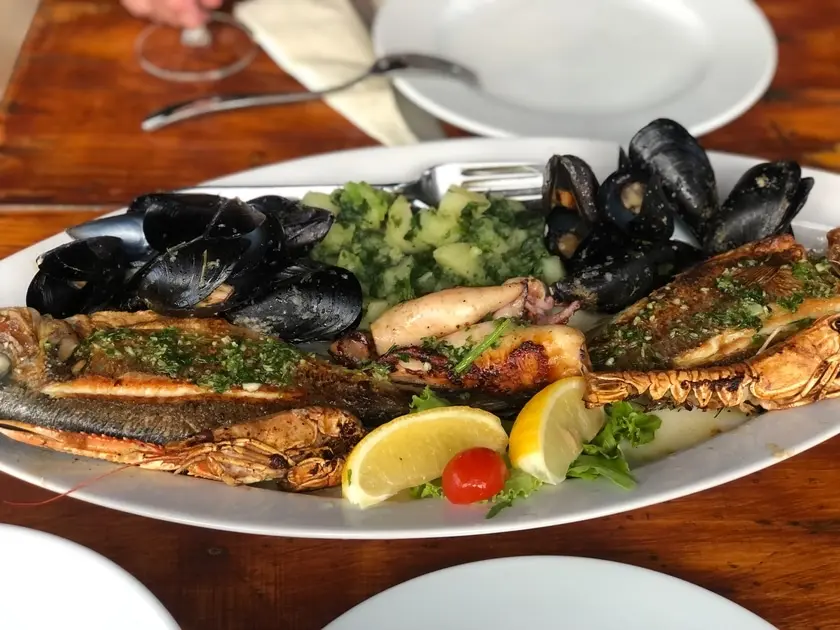
Fresh Grilled Fish
Simple, whole grilled fish served with lemon, olive oil, and Swiss chard (blitva) is quintessential Dalmatian cuisine.
Photography Approach:
- Show the Whole Fish: Don’t crop - the head-to-tail presentation is part of the appeal
- Angle: Slight three-quarter view shows dimension
- Aperture: f/4 to f/5.6 (you want most of the fish in focus)
- Char and Skin: Side lighting emphasizes the grilled texture and crispy skin
- Include Sides: Blitva, potatoes, lemon - these complete the typical Croatian presentation
- Fresh Elements: Water droplets on the fish or lemon suggest freshness
The eyes should be clear and bright (sign of fresh fish). If they’re cloudy, focus composition elsewhere or shoot from an angle that de-emphasizes the head.
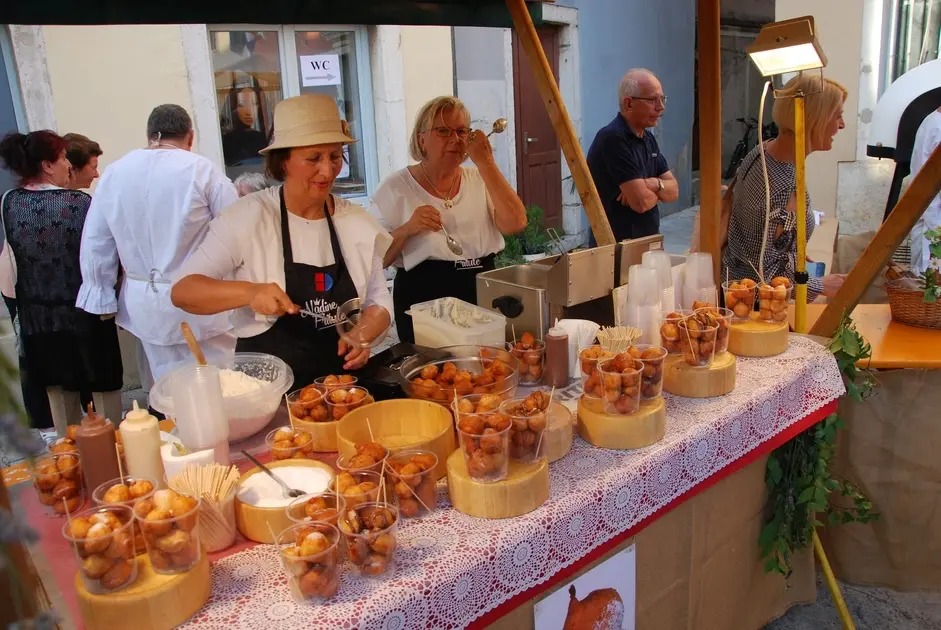
Fritule (Croatian Mini Donuts)
These tiny fried dough balls dusted with powdered sugar are festival favorites and surprisingly photogenic.
Photography Approach:
- Macro Detail: Get close to show the texture and sugar dusting
- Pile Composition: They’re served in heaps - show the abundance
- Dusting Action: If possible, photograph someone dusting sugar over them
- Aperture: f/2.8 for selective focus on the front fritule
- Contrast: Dark plate or background makes the white sugar pop
- Hands Reaching: Adds human element and scale
The powdered sugar catches light beautifully. Slight backlighting creates a luminous quality around each fritula.
Wine and Beverage Photography
Croatian wines are gaining international recognition, and photographing them adds sophistication to your culinary portfolio.
Wine Bottle Photography
Whether documenting a specific winery or creating wine-pairing content, bottle photography requires attention to reflections and labels.
Technical Approach:
- Polarizing Filter: Essential for controlling reflections on glass bottles
- Angle: Slight three-quarter view shows both label and bottle shape
- Aperture: f/5.6 to f/8 (want the entire label sharp and readable)
- Background: Keep simple - stone walls, vineyard views, or solid colors work best
- Lighting: Soft, diffused light prevents harsh reflections; side light creates dimension
For outdoor vineyard shots, golden hour provides warm light that complements wine’s amber and red tones. Position bottles so light filters through the wine, creating a beautiful glow.
Wine Glass Photography
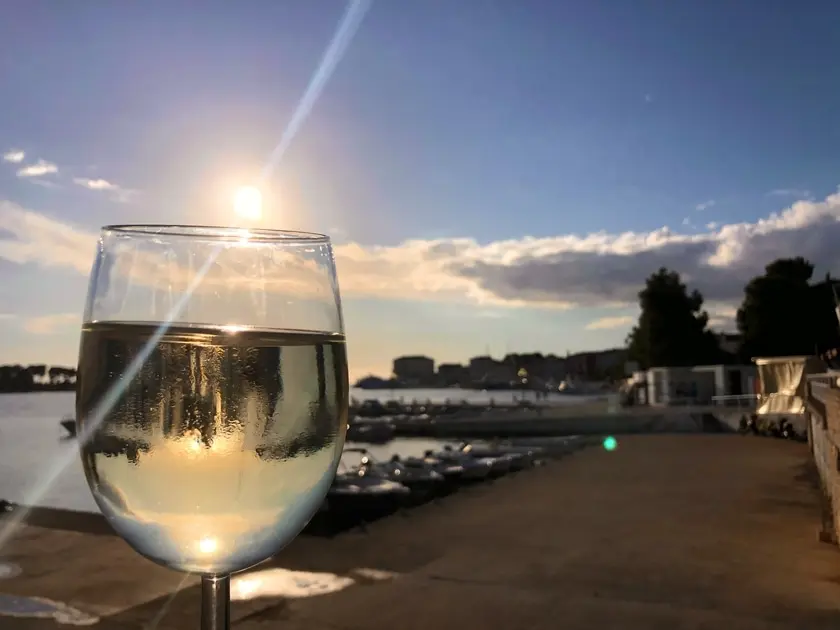
A glass of Croatian wine catching sunset light over the Adriatic is an iconic image.
Composition Ideas:
- Backlit: Position glass between camera and light source (sunset, window) so light glows through the wine
- Bokeh Background: Use f/2.8 to create soft, dreamy backgrounds of sea or vineyard
- Rule of Thirds: Position glass in left or right third with landscape in the background
- Reflections: Wine glasses reflect their surroundings - use this creatively
- Hands Holding: Adds human element and scale
Technical Settings:
- Exposure Compensation: -0.5 to -1 stop to prevent blowing out the bright wine highlights
- Focus Point: On the rim or stem of the glass, closest to camera
- Aperture: f/2.8 to f/4 for background blur
- White Balance: Warm (Cloudy setting) for sunset shots
Wine Cellar Photography
Croatia’s wine cellars - from Istrian stone cellars to Pelješac family wineries - offer atmospheric photography opportunities.
Challenges: Low light, high contrast between dark cellars and bright barrel ends.
Solutions:
- High ISO: 1600-3200 with noise reduction in post
- Wide Aperture: f/2.8 or wider
- Tripod: Allows longer exposures (1-2 seconds) for maximum sharpness
- Ambient Light Only: Flash destroys the moody atmosphere
- Composition: Barrel rows create leading lines; include winemaker as scale and human element
I often intentionally underexpose slightly to maintain the cellar’s moody, mysterious character, then lift shadows in post-processing.
Rakija and Spirits
Croatia’s traditional fruit brandies are often served in small glasses and make for interesting detail shots.
Photography Approach:
- Context: Include the fruit source (plums, grapes, herbs) in the composition
- Traditional Serving: Small glasses, sometimes with sugar cube, shot on rustic wood
- Macro Detail: Show the clarity and color of quality rakija
- Cultural Setting: Photograph in authentic contexts - family gatherings, after-dinner tradition
The clear spirits are challenging - they’re essentially invisible. Use backlighting to show the liquid, include condensation on cold bottles, or photograph the pour to add dynamism.
Storytelling Through Croatian Food Culture
The most compelling food photography goes beyond beautiful dishes to tell stories about culture, tradition, and people.
Environmental Food Portraits
Photographing people with their food tells richer stories than food alone. In Croatia, food is deeply connected to identity and place.
Subjects to Photograph:
- Fishermen with their catch: Early morning at harbors, weathered hands holding fish
- Grandmothers making pasta: Hands rolling dough, flour-dusted surfaces, generations of knowledge
- Market vendors with produce: Pride in their products, character-filled faces
- Winemakers in vineyards: Among vines with wine glass, telling the land-to-bottle story
- Chefs in kitchens: The creative process, concentration, passion for craft
- Truffle hunters with dogs: Istrian forests, the ancient tradition, bond between hunter and animal
Technical Approach:
- Aperture: f/2.8 to f/4 (isolate subject, soften background)
- Focal Length: 50mm or 85mm for flattering portraits
- Engage the Subject: Talk while shooting for natural expressions
- Natural Poses: Capture people working, not posing - more authentic
- Environmental Context: Include enough background to show where they are
Always ask permission for portraits. I find that explaining my interest in documenting Croatian food traditions opens doors. Offering to email or print photos as gifts builds goodwill.
Process and Preparation
Showing how Croatian food is made adds educational value and visual interest.
Stories to Capture:
- Olive oil production: Harvest, pressing, first oil flowing
- Cheese making: Aging rooms, traditional techniques
- Bread baking: Wood-fired ovens, dough shaping
- Wine harvest: Grape picking, crushing, fermentation
- Fish being filleted: Skill, precision, traditional knives
- Peka preparation: Assembling ingredients, placing the bell, arranging coals
These process shots require early research and arrangement. Email producers, farms, and restaurants explaining your interest. Most are proud to share their traditions with photographers who appreciate them.
Seasonal Food Traditions
Croatian food culture follows seasons closely, and documenting these cycles creates compelling photo essays.
Spring: Wild asparagus picking in Istria, fresh peas, lamb Summer: Sardines, beach fish grills, tomatoes, stone fruit Autumn: Truffle hunting, olive harvest, grape harvest, mushrooms Winter: Pršut aging, preserved foods, hearty stews, Christmas cookies
Planning your photography around these seasons ensures authentic, timely content that resonates with Croatian culture.
The Table: Setting and Atmosphere
Croatian dining culture values the complete experience - the table, the setting, the shared meal.
Photograph the Full Scene:
- Table Settings: Checkered tablecloths, simple plates, wine carafes, bread baskets
- Outdoor Dining: Pergolas, harbor views, stone terraces
- Hands and Interaction: People passing dishes, toasting, serving family-style
- Ambient Details: Candles, nautical decor, stone walls, fishing nets
Overhead shots of complete tables work beautifully here. Use f/5.6 to f/8 so most elements are sharp, and shoot when dishes are fresh and abundant.
Post-Processing Croatian Food Photography
Post-processing should enhance your Croatian food photography without making it look artificial or over-edited. The goal is to maintain the authentic Mediterranean character while optimizing for visual impact.
My Standard Editing Workflow (Lightroom)
- White Balance Correction: Ensure colors look natural - the olive oil should be golden-green, fish should look fresh, not blue-gray
- Exposure Adjustment: Usually minor (+0.3 to +0.5 stops) to brighten food
- Contrast and Clarity: Moderate increase (+10 to +20) to add definition without looking harsh
- Vibrance: +15 to +25 to make colors pop while keeping skin tones natural
- Highlight Recovery: Pull down highlights (-20 to -40) to recover detail in bright plates or backlit wine
- Shadow Lift: Gently lift shadows (+15 to +30) to reveal detail in darker areas
- Sharpening: Moderate sharpening with masking to avoid noise in backgrounds
- Noise Reduction: If shot at high ISO (1600+), apply luminance noise reduction
Color Grading for Croatian Food
The Mediterranean color palette should feel warm, inviting, and sun-drenched.
Enhance These Tones:
- Warm Yellows and Golds: Olive oil, pasta, bread crusts - slight increase in saturation
- Rich Greens: Olive tapenade, herbs, blitva - ensure they’re vibrant but not neon
- Deep Blues: Adriatic backgrounds - saturate to emphasize the Croatian setting
- Natural Reds: Tomatoes, wine - ensure they look ripe and appealing, not oversaturated
Tools to Use:
- HSL Panel: Fine-tune individual colors (make oranges more golden, greens more lush)
- Split Toning: Add subtle warmth to highlights, cool tones to shadows for dimension
- Graduated Filters: Darken bright skies in outdoor dining shots
Common Corrections for Restaurant Photos
Problem: Overly warm/orange cast from tungsten restaurant lighting Solution: Adjust white balance toward blue; use HSL to desaturate oranges
Problem: Underexposed food due to dim lighting Solution: Increase exposure but watch for noise; use local adjustment brush to brighten only the food while keeping ambient darkness
Problem: Distracting backgrounds Solution: Decrease clarity and sharpness in background; increase vignetting to draw eye to the dish
Problem: Reflections and glare on plates Solution: Use spot removal tool; reduce highlights; in severe cases, use clone stamp
Maintaining Authenticity
Croatian food’s appeal is its honesty and simplicity. Avoid:
- Over-saturation: Makes food look artificial
- Excessive Clarity/Structure: Creates harsh, unappetizing textures
- Heavy Vignettes: Looks cliché and dated
- Over-sharpening: Emphasizes noise and creates halos
- Fake-looking Skies: Keep Adriatic backgrounds realistic
The best test: Does the edited photo make you hungry? Does it feel like the meal you experienced? If you’ve strayed too far from reality, pull back.
Batch Editing for Consistency
If you’re creating a portfolio or cohesive blog, maintain consistent editing across images:
- Create Presets: Once you perfect settings for a market series or restaurant shoot, save as preset
- Sync Settings: Apply similar adjustments across similar lighting conditions
- Adjust Individually: Every image needs final tweaking, but presets provide a starting point
Consistency in tone, color, and style makes your body of work more professional and recognizable.
Best Locations for Food Photography
Based on years of shooting Croatian cuisine, these locations offer exceptional food photography opportunities.
Zagreb
Dolac Market: Essential for any Croatian food photographer - arrive early for best light and freshest displays La Štruk: Specializes in strukli (cheese pastry) - beautiful traditional presentations Craft Beer Bars in Tkalčićeva Street: Modern food culture, creative plating, excellent natural light
Rovinj, Istria
Monte Restaurant: Michelin-starred with artistic plating and stunning harbor views Rovinj Market: Small but photogenic, especially with harbor backdrop Konoba Toni: Rustic, authentic Istrian cuisine in atmospheric interior Truffle Hunting: Arrange through local agencies for process photography
Dubrovnik
Restaurant 360: Upscale dining with Old Town walls as backdrop - exceptional for golden hour Gundulićeva Poljana Market: Fresh produce market in historic square Konoba Dalmatino: Traditional Dalmatian food in charming stone interior Panorama Restaurant: Sunset dining with views - worth the splurge for the setting
Split
Green Market (Pazar): Authentic, energetic market experience Villa Spiza: Tiny, traditional, daily-changing menu - honest Dalmatian cooking Konoba Matejuška: Waterfront location with fishing boats, sunset light
Hvar Town
Dalmatino: Traditional konoba with beautiful stone interior Gariful: Upscale seafood with harbor setting Hvar Market: Small morning market near the harbor
Istria (General)
Zigante Restaurants: Truffle-focused, multiple locations, allows food photography San Rocco: Upscale Istrian cuisine in beautiful restored building Farm Stays (Agrotourism): Home-cooked meals, rustic settings, authentic experiences
Korčula
LD Restaurant: Creative modern Croatian with medieval town backdrop Konoba Mate: Traditional family cooking, fishing village atmosphere
Seasonal Food Photography Opportunities
Planning your Croatian food photography around seasons ensures you capture authentic, timely content.
Spring (March - May)
What’s in Season: Wild asparagus, fresh peas, lamb, spring greens, artichokes Photography Opportunities:
- Wild asparagus picking in Istria (arrange through agritourism farms)
- Easter lamb roasts - traditional family gatherings
- Spring markets bursting with fresh greens
- Fishing season beginning - fresh catches Lighting: Beautiful soft spring light, not yet harsh summer sun Locations: Istrian countryside, coastal markets
Summer (June - August)
What’s in Season: Tomatoes, peppers, eggplant, stone fruits, sardines, octopus, shellfish Photography Opportunities:
- Beach fish grills - sardines roasted over open fire
- Outdoor waterfront dining at sunset
- Vibrant produce at peak ripeness
- Island hopping food adventures
- Outdoor konoba dining with pergola shade Lighting: Harsh midday sun (seek shade or shoot golden hour), beautiful long summer evenings Challenges: Crowds at popular restaurants, need reservations Locations: All coastal areas, islands
Autumn (September - November)
What’s in Season: Truffles (peak October-November), grapes, olives, mushrooms, game, chestnuts Photography Opportunities:
- Truffle hunting season: Arrange hunts in Istrian forests (Motovun, Buzet areas)
- Grape harvest: Wineries welcome photographers during harvest - contact in advance
- Olive harvest and pressing: October-November, beautiful process photography
- Mushroom foraging: Forests of inland Croatia
- Autumn markets: Stunning fall colors in produce Lighting: Golden autumn light, earlier sunsets, softer midday sun Locations: Istria (truffles), Pelješac (wine), inland regions (game and mushrooms)
Winter (December - February)
What’s in Season: Preserved foods, pršut, cheese, root vegetables, citrus, oysters Photography Opportunities:
- Christmas markets: Traditional cookies, mulled wine, festive foods
- Oyster farming in Ston: Active season, fascinating process photography
- Pršut aging rooms: Visit Drniš or Istria to photograph traditional curing
- Indoor market photography: Stone market halls with atmospheric lighting
- Cozy konoba interiors: Hearty winter stews, fireplaces, intimate dining Lighting: Short days, softer light, rely on window light for interiors Challenges: Fewer tourists means some restaurants close; weather can be unpredictable Locations: Ston (oysters), Drniš (pršut), Zagreb (Christmas market)
Event-Specific Opportunities
- Buzet Truffle Days (September): Truffle festival in Istria
- Rovinj Night of St. Euphemia (September 16): Street food, traditional dishes
- Dubrovnik Good Food Festival (March/April): High-end culinary event
- Zadar Coffee Festival (April): Coffee culture photography
- Wine Festivals (Throughout autumn): Regional wine celebrations
📸 Key Takeaways for Croatian Food Photography
After covering techniques, locations, and cultural context, here are the essential points to remember:
Lighting is Everything
- Prioritize natural light over flash in all situations
- Golden hour (hour before sunset) is magical for outdoor dining
- Morning market light (7-9 AM) is soft and perfect for produce
- In restaurants, always choose window seats
- Embrace the warm, Mediterranean quality of Croatian light
Respect the Culture
- Always ask permission in traditional konobas
- Be discreet and quick - don’t disrupt other diners
- Learn basic Croatian phrases for markets and restaurants
- Offer to share photos with restaurant owners and chefs
- Buy from market vendors you photograph extensively
Tell the Complete Story
- Go beyond the plate - photograph people, places, processes
- Capture the fishing boats, the markets, the vineyards
- Show hands preparing food, traditional techniques, family gatherings
- Include environmental context that says “Croatia”
- Document seasonal food traditions authentically
Master Your Technical Approach
- 50mm f/1.8 lens covers most situations
- Shoot at f/2.8 to f/4 for beautiful depth of field
- Use ISO 800-1600 in dim restaurants without hesitation
- Shoot in RAW for maximum editing flexibility
- Keep shutter speed above 1/60s for handheld sharpness
Composition Essentials
- 45-degree angle flatters most dishes
- Overhead works beautifully for sharing platters and full table settings
- Include Croatian elements: olive oil, wine, rustic boards, linen
- Clear clutter - keep only what tells the story
- Use negative space to let the food breathe
Post-Processing Philosophy
- Enhance, don’t transform
- Maintain the warm, Mediterranean color palette
- Lift shadows gently to reveal detail
- Keep food looking appetizing and realistic
- Develop a consistent editing style across your portfolio
Plan Seasonally
- Autumn is peak season for truffles, wine harvest, and olives
- Summer offers vibrant produce and outdoor dining opportunities
- Spring brings wild asparagus and fresh seafood
- Winter showcases preserved foods and cozy indoor dining
Build Relationships
- Contact restaurants and producers in advance for special access
- Offer value in exchange - quality photos for their marketing
- Return to favorite locations to build deeper stories
- Connect with Croatian food community on social media
- Show genuine interest in tradition and craft
The beauty of Croatian food photography lies in its authenticity. This isn’t about perfect styling or artificial setups - it’s about capturing honest, delicious food in beautiful settings, made by proud people using traditional methods passed through generations. When your photos make viewers taste the olive oil, smell the grilled fish, and feel the Adriatic breeze, you’ve succeeded in telling Croatia’s culinary story.
FAQ
Q: What is the best lighting for Croatian food photography?
A: As a food photographer working in Croatia, I’ve learned that natural light is your best friend. Early morning at markets (7-9 AM) provides soft, diffused light perfect for capturing fresh produce. In restaurants, I prefer window seats during golden hour (one hour before sunset) for warm, flattering light on dishes. Avoid harsh midday sun - it creates unflattering shadows on food. For indoor shots, position yourself near windows and use a reflector (even a white napkin works) to bounce light onto shadowed areas of the dish.
Q: Which Croatian markets are best for food photography?
A: From my experience photographing food markets across Croatia, Dolac Market in Zagreb tops my list. The red umbrellas, colorful produce displays, and authentic vendors create incredible compositions. Pula’s market offers fantastic light in the morning with beautiful stone architecture as backdrop. Split’s Green Market (Pazar) is perfect for capturing the energy of Dalmatian food culture. In Istria, Rovinj’s market is smaller but photogenic with its harbor backdrop. Visit between 7-9 AM for the best light and most vibrant displays before crowds arrive.
Q: What camera settings work best for restaurant food photography in Croatia?
A: For restaurant photography, I typically shoot in aperture priority mode with f/2.8 to f/4 for a shallow depth of field that makes the dish pop while softly blurring the background. ISO depends on lighting - I start at ISO 400 in dimly lit konobas and adjust up to ISO 1600 if needed. Shutter speed should be at least 1/60s for handheld shots. I shoot in RAW format to preserve details in highlights (important for white fish dishes) and shadows. A 50mm f/1.8 lens is perfect for most restaurant situations and performs well in low light.
Q: How do I photograph traditional Croatian dishes like Peka?
A: Peka presents unique photography challenges because it’s cooked under a bell-shaped lid with coals on top. I photograph the preparation process first - the ingredients, the bell placement, the coals - to tell the complete story. When the lid is lifted, work quickly to capture the steam and that first reveal moment. Use a fast shutter speed (1/125s or faster) to freeze the steam. For the plated dish, shoot from a 45-degree angle to show depth and texture. The rustic presentation of Peka works beautifully with natural props like wooden boards, linen napkins, and wine bottles.
Q: Do Croatian restaurants allow food photography?
A: In my years photographing Croatian cuisine, I’ve found restaurants very accommodating to food photography, especially in tourist areas. High-end restaurants in Dubrovnik and Rovinj are accustomed to it. However, always ask permission first, especially in traditional family-run konobas. Most owners are proud to have their food photographed. Avoid using flash - it disturbs other diners and creates unflattering harsh light. If you’re shooting professionally for publication, always get written permission and discuss any compensation. Many restaurants appreciate the exposure and may offer complimentary dishes in exchange for quality photos for their social media.
Q: What are the most photogenic Croatian dishes?
A: From a photographer’s perspective, grilled octopus is stunning - the char marks create beautiful texture and contrast. Black risotto (crni rižot) offers dramatic color against white plates. Istrian truffle pasta provides earthy tones and elegant presentation. Dalmatian brudet (fish stew) photographs beautifully in traditional clay pots. For desserts, fritule dusted with powdered sugar are visually appealing. Pršut and cheese boards allow creative styling with props. Fresh fish displays at markets are incredibly photogenic. The key is choosing dishes with color contrast, interesting textures, and authentic presentation rather than overly styled restaurant plating.
Q: How can I capture the story of Croatian food culture through photography?
A: After photographing Croatian food culture for years, I’ve learned that storytelling goes beyond the plate. Capture the fishermen bringing in the morning catch, the grandmothers rolling pasta by hand, the olive harvest in autumn, the truffle hunting with dogs in Istrian forests. Photograph the wine cellars, the konoba interiors with checkered tablecloths, hands preparing food, steam rising from cooking pots. Include environmental portraits of chefs, farmers, and producers. These contextual images combined with beautifully styled dish photos create a complete narrative. The best food photography shows not just what Croatians eat, but how food connects to landscape, tradition, and daily life.
Q: What essential gear do I need for food photography in Croatia?
A: Based on my professional work, start with a good prime lens - a 50mm f/1.8 is affordable and performs excellently in restaurants’ ambient light. A 35mm f/1.4 is my go-to for environmental food shots at markets. Bring a circular polarizer to control reflections on glossy surfaces and enhance colors of fresh produce. A small reflector (collapsible 5-in-1 works great) helps bounce light onto dishes. For markets, a lightweight tripod allows longer exposures in covered areas. Shoot in RAW format and bring extra memory cards - you’ll take more photos than planned when surrounded by Croatian culinary beauty. A lens cloth is essential for the coastal humidity and occasional splash from fresh fish displays.
💙 Support My Photography Work Enjoy these guides? Support me on Patreon to help create more in-depth photography content! 🙏