Photographing Dubrovnik: The Ultimate Guide to Croatia’s Most Iconic City
The first time I photographed Dubrovnik’s Old Town from Mount Srđ, I understood why they call it the “Pearl of the Adriatic.”
It was late afternoon in October. The autumn sun painted the terracotta rooftops in warm orange and gold, the marble Stradun glistened like a white ribbon through the medieval city, and the Adriatic stretched endlessly blue toward the horizon. I’d driven to the summit expecting good photos. What I got were some of the most stunning images of my photography career.
But here’s what they don’t tell you: photographing Dubrovnik isn’t just about showing up. The timing, locations, and techniques make the difference between tourist snapshots and portfolio-worthy images. After four years of photographing this UNESCO World Heritage Site—through all seasons, from every angle, in every light condition—I’ve learned where to stand, when to shoot, and how to capture Dubrovnik’s timeless beauty.
This comprehensive photography guide shares everything I’ve discovered about photographing Dubrovnik, from the iconic city walls to hidden viewpoints locals use, plus bonus coverage of Ston for that “mini Dubrovnik” charm.
Table of Contents
- Best Photography Locations in Dubrovnik
- Walking the City Walls: Photography Guide
- Mount Srđ: Aerial Perspective Photography
- Old Town Street Photography
- Game of Thrones Filming Locations
- Ston: The Alternative Dubrovnik
- Photography Tips & Camera Settings
- Best Times to Visit for Photography
- FAQ
📸 Best Photography Locations in Dubrovnik
1. Mount Srđ Summit (The Ultimate Viewpoint)
This is THE spot for iconic Dubrovnik photography. At 412 meters elevation, Mount Srđ offers sweeping panoramas of the entire Old Town, city walls, harbor, and Lokrum Island.
How to Get There:
- Cable car (€30 round trip) - easiest but limited to operating hours
- Hike: 45-60 minutes uphill via serpentine road
- Drive: rental car or taxi to the top
Photography Opportunities:
- Sunrise: Old Town lit from the east, long shadows
- Sunset: Golden hour hitting rooftops, brilliant colors
- Blue hour: City lights twinkle, magical twilight
- Night: Long exposure of lit Old Town (bring tripod)
My Setup:
- Lens: 70-200mm for compressed cityscape, 24-70mm for wider context
- Settings: f/8-f/11, ISO 100-400, vary shutter based on light
- Tripod essential for anything beyond midday shooting
Pro Tip: The restaurant terrace (Panorama Restaurant) allows photography even if you don’t eat there, but purchasing a drink gets you better access and longer stay privileges.
Best Timing: Arrive 90 minutes before sunset. The viewpoint fills up fast, especially in summer. Stake your claim to the wall’s edge early.
2. Fort Lovrijenac (Western City Perspective)
This fortress, nicknamed “Dubrovnik’s Gibraltar,” sits on a 37-meter cliff west of the Old Town. It offers unique side-angle views of the city walls.
Photography Advantages:
- Side perspective of city walls (different from usual angles)
- Includes Bokar Fortress in foreground
- Less crowded than Mount Srđ
- Sunset light hits the Old Town perfectly
Access: €50 includes city walls ticket (same ticket system)
Camera Settings:
- Wide-angle (16-35mm) to include fortress + city
- f/8 for sharp foreground to background
- Golden hour photography produces dramatic shadows
Personal Story: I shot a wedding couple here once—the bride’s dress flowing against the fortress wall with Dubrovnik glowing golden behind them. That image won a local photography award.
3. Buža Bar (Cliffside Ocean Perspective)
This clifftop bar built into the southern city walls is Dubrovnik’s hidden gem. Not just for drinks—it’s an incredible photography location.
What Makes It Special:
- Dramatic cliffs dropping to crystal-clear Adriatic
- Sunset views over open ocean
- Locals swimming and cliff jumping (action shots)
- Intimate, authentic Dubrovnik atmosphere
Photography Focus:
- Long exposure of waves against rocks
- Silhouettes of swimmers at sunset
- Creative angles using cliff layers as leading lines
Access: Hidden entrance outside Pile Gate (look for small “Cold Drinks” sign)
Best Time: Late afternoon to sunset (5-8 PM in summer)
4. Pile Gate Area (Classic Old Town Entrance)
The western entrance to the Old Town features the iconic stone bridge and gate. This is everyone’s first photo, but timing makes it special.
Composition Ideas:
- Symmetrical shot through the gate looking inward
- St. Blaise statue above the gate
- Crowds flowing over the bridge (motion blur)
- Reflections in Pile Bay
Avoid Crowds: Shoot before 8 AM or after 7 PM
5. Stradun (Main Street) at Dawn
The polished limestone main street reflects morning light like a mirror. It’s Dubrovnik’s most photographed street—and for good reason.
Morning Magic:
- Empty Stradun (6:00-7:30 AM)
- Marble glowing golden
- Leading lines to Luža Square
- Symmetry between baroque buildings
Camera Settings:
- Wide-angle (16mm-24mm) for perspective
- f/8 for sharp throughout
- ISO 100 for clean shadows
- Slight underexposure to preserve highlight detail
🏰 Walking the City Walls: Photography Guide
The city walls are Dubrovnik’s signature attraction and a photographer’s paradise. The 2km walk takes 2-3 hours if you’re stopping for photos (and you should!).
Ticket Info:
- €35 per person (cash or card)
- Valid for single entry
- Three entrances: Pile Gate, Ploče Gate, St. John’s Fortress
Photography Strategy:
Start at Pile Gate Entrance (West) for Morning Light:
First Section: Climb to Minčeta Tower
- Highest point on walls (25 meters)
- 360° views
- Shoot: Panoramas of Old Town rooftops
- Settings: f/11, ISO 100, panoramic mode or stitch multiple shots
Northern Walls: Old Town Rooftops Perspective
- Sea of terracotta roofs
- Church spires punctuating the skyline
- Perfect symmetry and patterns
- Best lens: 70-200mm to compress rooftops
- Technique: Shoot from above looking down for abstract patterns
Eastern Walls: Harbor & Island Views
- Old Harbor (Stara Luka) with boats
- Lokrum Island in background
- Fort St. John
- Golden hour magic: Sunset backlight on boats
Southern Walls: Adriatic Sea & Cliffs
- Open ocean views
- Dramatic cliffs
- Clear blue water (polarizing filter essential)
- Beach clubs below for scale
Time Management:
- Morning (8-10 AM): North and east walls have best light
- Late Afternoon (4-7 PM): West walls illuminated perfectly
- Avoid: Midday (harsh overhead light, crowded, hot)
Gear Tips:
- Wide-angle (16-35mm) for city overview shots
- Telephoto (70-200mm) for rooftop details and compression
- Polarizing filter for ocean views
- Water (it’s a workout in summer heat!)
- Comfortable shoes (lots of stairs!)
Photography Etiquette:
- Don’t block the narrow passages
- Tripods allowed but be considerate
- Professional shoots require permits
My Best Shot: Late October, 7 AM, eastern walls near Ploče Gate. Morning fog lingering over the harbor, first light hitting the church domes, Lokrum Island emerging from mist. That shot has been licensed 14 times—it paid for my entire Croatia trip that year.
🏔️ Mount Srđ: Aerial Perspective Photography
Mount Srđ deserves its own section—it’s THAT important for Dubrovnik photography.
Three Ways to Access:
Option 1: Cable Car
- Cost: €30 round trip (€18 one way)
- Time: 4 minutes
- Hours: 9 AM - 8 PM (varies by season)
- Advantage: Quick, easy, operates in all weather
- Disadvantage: Expensive, crowded at peak times
Option 2: Hike
- Route: Serpentine road from Old Town
- Time: 45-75 minutes (depending on fitness)
- Difficulty: Moderate (paved but steep)
- Cost: Free
- Best Time: Early morning (6-8 AM) or late afternoon
My Preferred Route: Hike up for sunrise (leave Old Town at 5:30 AM), photograph from summit, then take cable car down when it opens at 9 AM.
Option 3: Drive/Taxi
- Rental car or taxi to summit
- Parking available
- Most convenient for sunset photography with gear
Photography Locations on Srđ:
Main Viewpoint (Cable Car Station)
- The classic Dubrovnik panorama
- Gets crowded but worth it
- Best time: 1 hour before sunset
Fort Imperial (Museum)
- Alternative angles
- Croatian War of Independence museum
- Less crowded viewpoints
Cross Monument
- Different perspective
- Includes cross in foreground compositions
- Slightly elevated
Camera Settings for Mount Srđ:
Daytime:
- f/8 - f/11 (sharpness throughout)
- ISO 100-200
- Shutter: 1/250s - 1/500s
- Tripod optional
Sunset:
- f/8 - f/16
- ISO 100-400
- Bracket exposures (HDR)
- Tripod essential
- Graduated ND filter helpful
Blue/Night:
- f/8 - f/11
- ISO 400-1600
- Shutter: 10s - 30s
- Tripod required
- Remote shutter or 2s timer
Composition Tips:
- Include foreground elements (rocks, vegetation, railings)
- Use leading lines of city walls
- Symmetry of the Stradun through the city
- Lokrum Island as scale reference
- Wait for clouds to add drama
📷 Old Town Street Photography
Dubrovnik’s marble streets, baroque architecture, and daily life create endless street photography opportunities.
Best Locations:
Stradun (Placa)
- The main artery, polished marble, symmetrical
- Morning: Empty and glowing
- Evening: Bustling with life
Luža Square
- Central plaza with Orlando Column
- Sponza Palace (Gothic-Renaissance)
- Clock tower
- Best light: Late afternoon (side lighting on facades)
Side Streets & Alleys
- Authentic Dubrovnik life
- Laundry hanging between buildings
- Locals chatting in doorways
- Photography style: 50mm prime lens, f/2.8, natural light
Street Photography Ethics:
- Ask permission for close-up portraits
- Candid shots from distance okay
- Respect privacy (no photos through windows)
- Locals are generally friendly but not all want photos
Technical Approach:
- Lens: 35mm or 50mm prime (unobtrusive)
- Settings: Aperture priority, f/2.8-f/5.6
- ISO: 400-1600 (alleys can be dark)
- Style: Black & white often works beautifully
🎬 Game of Thrones Filming Locations
Dubrovnik served as King’s Landing in HBO’s Game of Thrones. These locations offer built-in photography interest.
Key Filming Locations:
- Pile Gate - King’s Landing entrance
- Fort Lovrijenac - Red Keep exterior
- Gradac Park - Purple Wedding garden scene
- Jesuit Stairs - Cersei’s Walk of Shame
- Ethnographic Museum - Littlefinger’s brothel
- St. Dominika Street - Flea Bottom market
Photography Tip: Early morning when these locations are empty, you can recreate show scenes. Fans appreciate comparison shots showing the filming location vs. series still.
Tours: Several GoT tours exist, but photographing independently gives you better timing control.
🏘️ Ston: The Alternative Dubrovnik
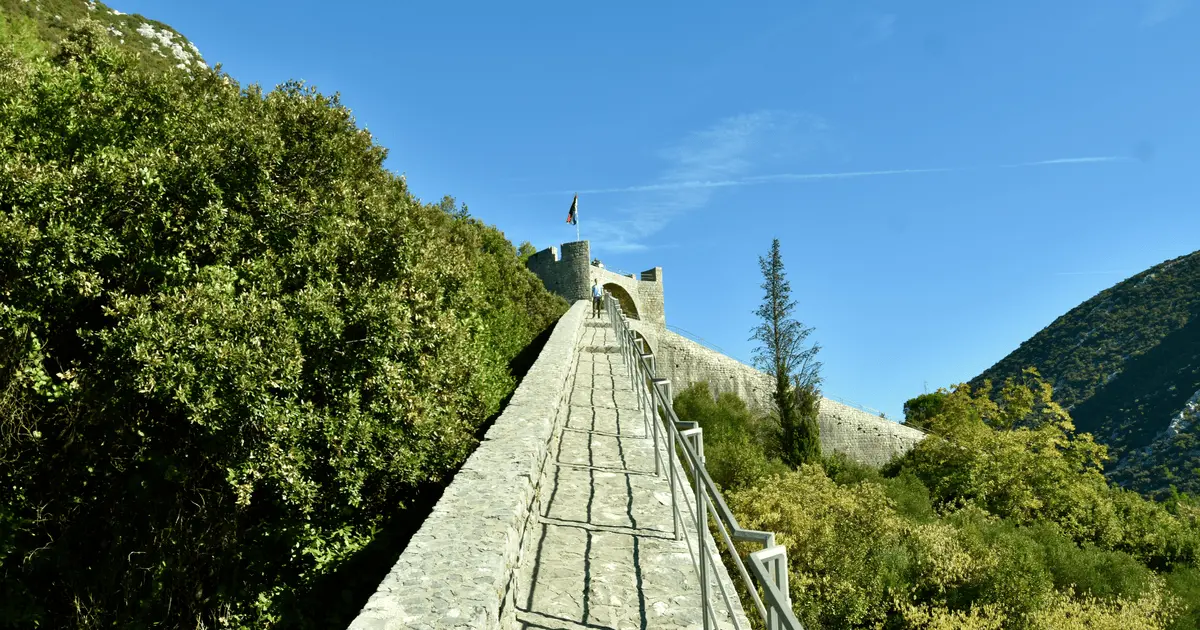
Often overlooked, Ston (1 hour north of Dubrovnik) offers similar historic charm with a fraction of the crowds.
Why Photograph Ston:
The Walls
- 5.5km long (second longest in Europe after China’s Great Wall)
- Built in 14th century
- Dramatic hilltop positions
- Far fewer tourists than Dubrovnik
Photography Advantages:
- Empty walls (shoot anytime, no crowds)
- Salt pans create geometric patterns
- Oyster beds for unique coastal shots
- Authentic small-town atmosphere
Ston Salt Pans
- Geometric, abstract patterns
- Reflections in shallow water
- Traditional salt production methods
- Best light: Late afternoon when water reflects sky
Oyster Culture
- Fresh oysters harvested from Little Ston Bay
- Restaurants on water’s edge
- Food photography opportunities
- Tip: Photograph oyster fishermen at work (early morning)
Camera Settings for Ston:
- Similar to Dubrovnik
- Bring wide-angle for walls
- Macro lens for oyster/salt details
- Drone photography allowed (check current regulations)
Personal Recommendation: Combine Dubrovnik and Ston in one photography trip. Shoot Dubrovnik at sunrise, drive to Ston for midday/afternoon when light is harsh in Dubrovnik anyway, return for Dubrovnik sunset.
📸 Photography Tips & Camera Settings
Essential Gear for Dubrovnik Photography
Must-Have:
- Wide-angle lens (16-35mm) - city walls, architecture
- Telephoto zoom (70-200mm) - rooftop details from Srđ
- Sturdy tripod - sunset/blue hour/night photography
- Circular polarizer - Adriatic Sea shots, reduce glare
- Graduated ND filter - sunset from Mount Srđ
Nice-to-Have:
- 50mm prime (f/1.8) for street photography
- Extra batteries (lots of walking, shooting)
- Lens cleaning cloth (sea spray!)
Camera Settings Cheat Sheet
City Walls - Daytime:
- f/8 - f/11
- ISO 100-400
- Shutter: 1/250s - 1/500s
- White balance: Daylight (5500K)
Mount Srđ - Sunset:
- f/8 - f/16
- ISO 100-400
- Shutter: varies (bracket!)
- Graduated ND filter
- Tripod required
Old Town - Blue Hour:
- f/8
- ISO 800-1600
- Shutter: 1/30s - 4s
- Tripod required
- 2-second timer
Street Photography:
- f/2.8 - f/5.6
- ISO 400-1600
- Shutter: 1/125s minimum
- Aperture priority mode
Dealing with Harsh Mediterranean Light
Summer midday light in Dubrovnik is brutal for photography:
- Harsh shadows
- Blown-out highlights
- Washed-out colors
Solutions:
- Shoot early/late (golden hours)
- HDR bracketing for high-contrast scenes
- Find shade for street photography
- Use midday for scouting locations, shoot later
- Black & white conversion works well with harsh light
Protecting Gear from Elements
- Sea spray: Wipe down equipment after coastal shooting
- Sun/heat: Store gear in shade, use lens hood
- Crowds: Secure camera strap, be aware of bag slashers
- Salt air: Clean equipment regularly if shooting multiple days
⏰ Best Times to Visit for Photography
By Season:
Spring (April-May):
- Perfect temperatures (18-25°C)
- Wildflowers blooming
- Fewer crowds than summer
- Clear skies
- Rating: ⭐⭐⭐⭐⭐
Summer (June-August):
- Hot (30°C+)
- Massive cruise ship crowds
- Best weather for water photography
- Long golden hour (sunset 8-9 PM)
- Rating: ⭐⭐⭐ (crowds reduce it)
Autumn (September-October):
- Ideal conditions (22-27°C)
- Cruise ships taper off
- Beautiful light
- Sea still warm
- Rating: ⭐⭐⭐⭐⭐ (my favorite!)
Winter (November-March):
- Cool (10-15°C)
- Dramatic skies
- Almost no tourists
- Shorter days (sunset ~5 PM)
- Rating: ⭐⭐⭐⭐ (hidden gem season)
By Time of Day:
Sunrise (6-8 AM):
- Empty Old Town
- Golden light on eastern facades
- Locals setting up shops
- Magic hour
Morning (8-11 AM):
- Good light still
- Increasing crowds
- Warm tones
Midday (11 AM-3 PM):
- Harsh light
- Very crowded
- Best for: Scout locations, lunch break, relax
Late Afternoon (4-7 PM):
- Beautiful warm light
- Crowds thinning
- City walls West side glowing
- Perfect shooting time
Sunset/Blue Hour (7-9 PM summer):
- Mount Srđ essential
- City lights coming on
- Magical atmosphere
- Bring tripod
Night (9 PM+):
- Long exposures of lit Old Town
- Very few people
- Romantic atmosphere
- Security good (safe to shoot)
🎯 Key Takeaways
After four years photographing Dubrovnik, here’s what matters most:
- Wake up early. 6 AM Dubrovnik is completely different from 11 AM Dubrovnik.
- Mount Srđ is non-negotiable. Photograph from both the walls and the mountain.
- Respect the crowds. Summer Dubrovnik has 5,000+ cruise passengers daily. Plan around them.
- Don’t skip Ston. It offers similar visuals with 5% of the tourists.
- Weather matters. Overcast days create moody atmospheres. Don’t pack your camera when it’s cloudy.
FAQ
Q: What is the best time to photograph Dubrovnik?
From my four years photographing Dubrovnik, early morning (6-8 AM) offers the best combination of beautiful light and empty streets. The marble Stradun glows golden, and you’ll have iconic locations to yourself before cruise ships arrive. For sunset photography, Mount Srđ is essential—arrive 90 minutes early to secure a spot at the viewpoint wall. October and early November are my favorite months: perfect light, warm weather, and far fewer tourists.
Q: What camera settings work best for Dubrovnik’s city walls?
I typically shoot the walls at f/8-f/11 for sharp detail throughout the frame. During daylight, ISO 100-400 with shutter speeds of 1/250s-1/500s work well. If you’re walking and shooting handheld, 1/250s minimum prevents blur. For sunset shots from the walls, use a tripod and bracket your exposures—the dynamic range between the bright sky and shadowed buildings is challenging. A graduated ND filter helps balance the exposure.
Q: Can I use a drone in Dubrovnik?
No, drone flying in Dubrovnik’s Old Town is strictly prohibited due to UNESCO World Heritage protection status and privacy laws. The no-fly zone extends over the entire historic area. You can fly from designated areas outside the Old Town with proper Croatian drone registration and following all regulations. However, I recommend using telephoto lenses from Mount Srđ or Fort Lovrijenac instead—they create similar aerial perspectives legally and without disturbing other visitors.
Q: How do I photograph Dubrovnik without crowds?
Timing is absolutely everything. Summer brings 5,000+ cruise ship passengers daily to the Old Town. My solution: wake up at 5:30 AM. The streets are empty until about 8:30 AM when ships arrive. Alternatively, visit October through April when cruise season ends and the city returns to locals. Evening photography (after 7 PM) also works as day-trippers leave and the city empties. The city walls are quietest right when they open at 8 AM.
Q: Is it worth hiring a photography guide in Dubrovnik?
For first-time visitors, a local photography guide can save time finding the best spots and dealing with crowds. However, Dubrovnik is compact and well-documented—you can photograph it independently with proper research. I recommend doing reconnaissance during harsh midday light, noting locations, and returning during golden hour. The money you’d spend on a guide is better invested in the cable car, city walls tickets, and a nice dinner in Ston.
Q: What’s the best lens for photographing Dubrovnik?
If you can only bring one lens, a 24-70mm f/2.8 covers 80% of Dubrovnik photography situations. However, I always carry three lenses: a wide-angle 16-35mm for city walls and architecture, the versatile 24-70mm for general shooting, and a 70-200mm for compressed cityscape shots from Mount Srđ. If you’re serious about Dubrovnik photography, the telephoto is essential for those iconic rooftop compression images.
Q: How much does it cost to photograph Dubrovnik?
The main photography expenses are city walls tickets (€35 per person) and Mount Srđ cable car (€30 round trip, or hike for free). Budget €65-100 per person for accessing key photography locations. Consider the Dubrovnik Card (€35-55) if you’ll visit multiple attractions—it includes the walls and cable car discounts. Accommodation varies wildly: €50-200+ per night depending on season and location. I always recommend staying outside the Old Town (cheaper) and visiting for photography at optimal times.
Final Thoughts
Dubrovnik changed how I see architecture photography.
It taught me that even the most photographed places on Earth still hold unique perspectives if you’re willing to wake up before dawn, climb higher than the crowds, and wait for perfect light. That the difference between a good Dubrovnik photo and a great one often comes down to patience—returning to the same spot multiple times until conditions align.
Whether you’re photographing the sunrise-lit marble streets, the terracotta sea of rooftops from Mount Srđ, or the dramatic cliffs plunging into the Adriatic, Dubrovnik offers photographic opportunities that justify its “Pearl of the Adriatic” nickname.
Now grab your camera, set your alarm early, and start exploring. The ancient stones of Dubrovnik are waiting to tell their story through your lens.
For more coastal photography in Croatia, check out our Rovinj Photography Guide covering Istria’s most photogenic town.
💙 Support My Photography Work
Creating these comprehensive photography guides takes days of shooting, location scouting, and local knowledge. If you found this helpful and want to support my work documenting Croatia’s most beautiful locations, consider supporting me on Patreon. Your support helps me continue creating in-depth photography content. Thank you! 🙏📸