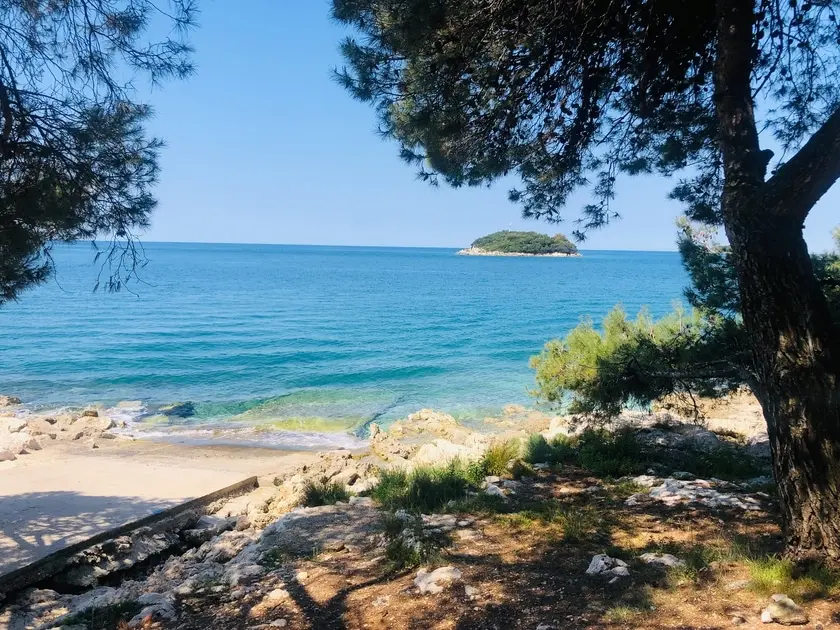
Hvar Photography Guide: Lavender Fields and Island Landscapes
The first time I photographed Hvar’s lavender fields, I understood why this island has captivated photographers for generations. It was late June, golden hour light filtering through the haze above Velo Grablje village, and the air was thick with the sweet scent of blooming lavender. As I positioned my tripod among the purple rows, watching the low sun create long shadows between the plants, I realized that Hvar offers something rare in photography - a combination of accessible natural beauty, dramatic coastal landscapes, and the unique cultural heritage of lavender cultivation that has defined this island for centuries.
As a photographer who’s lived in Croatia since 2020, I’ve explored Hvar extensively - from the lavender heartland in the island’s interior to the dramatic south coast beaches, from the buzzing harbor of Hvar Town to the secluded coves of the Pakleni Islands. What sets Hvar apart photographically is its diversity compressed into a relatively small island: Mediterranean architecture, Croatia’s sunniest climate (2,724 hours of sunshine annually means exceptional light), vibrant agricultural landscapes, and that impossibly blue Adriatic that changes color with every shift in light.
This comprehensive guide shares everything I’ve learned about photographing Hvar, from the technical camera settings that work best for lavender field photography to the exact GPS coordinates of sunset viewpoints that few tourists know about. Whether you’re planning a dedicated photography trip or want to capture better images during your Hvar holiday, you’ll discover practical tips that only come from extensive time on this beautiful island.
You’ll learn:
- When and how to photograph Hvar’s famous lavender fields for maximum impact
- The best sunset and sunrise locations with specific camera settings
- Beach and coastal photography techniques for the Pakleni Islands
- How to capture Hvar Town’s architecture and vibrant harbor
- Landscape photography opportunities across the island’s diverse terrain
- Seasonal considerations for different photographic opportunities
- Practical logistics - getting around, best times to visit, gear recommendations
Table of Contents
- Understanding Hvar’s Photographic Landscape
- Lavender Field Photography: Timing and Technique
- Sunset and Sunrise Locations
- Photographing Hvar Town
- Pakleni Islands: Coastal and Beach Photography
- Landscape Photography: Interior Hvar
- Beaches and Coastal Viewpoints
- Seasonal Photography Opportunities
- Practical Information for Photographers
Understanding Hvar’s Photographic Landscape
Before diving into specific locations and techniques, understanding what makes Hvar photographically unique helps you plan and execute better images.
Climate and Light Hvar holds the record for Croatia’s sunniest island - 2,724 hours of sunshine per year, averaging 7.5 hours daily. This creates predictable, abundant light perfect for photography but also presents challenges. The intense summer sun between 11 AM and 4 PM can be harsh, creating deep shadows and blown highlights. However, the extended shoulder seasons (May-June and September-October) offer softer light with fewer crowds.
The island’s position in the central Adriatic and its topography create microclimates. The south coast receives more direct sun and has dramatic lighting on cliffs, while the north coast toward the Pakleni Islands offers calmer waters and softer evening light. Understanding these patterns helps you plan which locations to shoot at what times.
Geographic Diversity Hvar’s landscape divides into distinct photographic zones:
Hvar Town and Harbor: Historic Renaissance architecture, vibrant waterfront, St. Stephen’s Square (largest in Dalmatia), medieval fortress viewpoints. Best for architectural, street, and harbor photography.
Lavender Interior: Villages like Velo Grablje, Brusje, Velo Polje where traditional lavender cultivation continues. Rolling purple fields from mid-June to early July, stone farmhouses, rural Croatian character. Prime landscape and agricultural photography.
Pakleni Islands: Archipelago of about 20 small islands west of Hvar Town. Turquoise waters, secluded coves, pine forests meeting beaches. Excellent for seascape, beach, and boat photography.
South Coast: Dramatic coastal scenery with steep cliffs, hidden beaches like Dubovica and Zavala, vineyards clinging to hillsides. Challenging access but rewarding landscape photography.
Eastern Villages: Quieter towns like Vrboska (“Little Venice” with canal bridges), Jelsa, and Stari Grad (oldest town in Croatia, ferry port). Less touristy, authentic Croatian island life photography.
Color Palette Hvar’s photographic color story revolves around:
- Purple and silver-green: Lavender fields during bloom season
- Azure and turquoise: The Adriatic’s varying blue tones
- White and honey-toned stone: Historic architecture and traditional buildings
- Green: Pine forests, vineyards, agricultural terraces
- Terracotta: Traditional roof tiles against the blue sky
This Mediterranean palette photographs beautifully with slightly warm white balance and moderate saturation in post-processing.
Lavender Field Photography: Timing and Technique
Hvar’s lavender fields are the island’s photographic signature. Getting this right requires understanding the seasonal window, knowing where to go, and mastering the technical approach.
When to Photograph Lavender
Bloom Season: Mid-June to early July, with peak typically June 20-28. The exact timing varies by 5-7 days depending on spring weather. Contact local tourist information or lavender farm owners in early June for bloom status updates.
Time of Day: Early morning (6:00-8:30 AM) and late afternoon (5:30-7:30 PM) provide the best light. Morning offers:
- Soft, directional light creating texture in lavender rows
- Potential morning mist in interior valleys (magical but unpredictable)
- No crowds - you’ll often have fields entirely to yourself
- Cooler temperatures for comfortable shooting
Late afternoon/evening provides:
- Golden hour warm light making purple lavender glow
- Long shadows emphasizing the row patterns
- Bees still active (great for macro work)
- Possibility of dramatic sunset skies as backdrop
Weather Conditions:
- Clear sunny days: Provide vibrant color but can be harsh midday. Best at golden hour.
- Partly cloudy: Ideal - clouds diffuse harsh sun while maintaining color saturation. Dramatic sky adds interest.
- Overcast: Produces even, soft light perfect for close-up lavender photography. Colors remain saturated without bright highlights. No dynamic sky, so compose to minimize sky inclusion.
Avoid midday (11 AM - 3 PM) when overhead sun flattens the scene and creates unflattering shadows.
Where to Find Lavender Fields
Velo Grablje: Abandoned village with extensive lavender fields surrounding stone ruins. Atmospheric combination of nature reclaiming abandoned architecture. Take the road from Hvar Town toward Milna, turn inland following signs. The contrast between purple fields and old stone houses is photogenic.
Brusje Village: Active farming community with well-maintained lavender terraces. More commercial but beautiful. Some farms welcome photographers - knock and ask politely. The advantage is well-tended, uniform lavender fields perfect for pattern photography.
Velo Polje: Between Stari Grad and Jelsa, another lavender cultivation area with traditional stone field walls (suhozid) creating compositional leading lines.
Photographing Etiquette: Most fields are on private property. Always ask permission before entering. Farmers are generally welcoming to respectful photographers, especially if you show genuine interest in their work. Offer to share photos afterward - email addresses on business cards facilitate this.
Camera Settings for Lavender Fields
Wide Landscape Shots (showing field patterns, sky, context):
- Aperture: f/11 to f/16 for maximum depth of field, keeping foreground lavender and distant hills sharp
- ISO: 100-200 (abundant light allows low ISO for minimum noise)
- Shutter Speed: Varies with aperture; typically 1/125s to 1/500s depending on light
- Focal Length: 16-35mm wide angle to capture sweeping field vistas
- Focus: One-third into the scene for optimal depth of field distribution
Close-Up/Macro Lavender:
- Aperture: f/2.8 to f/5.6 for selective focus, blurring background field while isolating a few stems
- ISO: 100-400 depending on light
- Shutter Speed: 1/250s+ if wind is present (lavender moves in breeze)
- Focal Length: 50mm, 100mm macro, or close-focusing zoom
- Focus: Single-point AF on the nearest lavender flowers, or use manual focus for precision
Including Bees/Insects:
- Aperture: f/5.6 to f/8 (need some depth of field to keep bee sharp)
- Shutter Speed: 1/500s minimum to freeze wing movement; 1/1000s+ ideal
- ISO: Increase to 400-800 if needed to maintain fast shutter speed
- Focus Mode: Continuous AF (AI Servo/AF-C) to track bee movement
Composition Techniques
Leading Lines: Lavender rows create natural leading lines. Position yourself low (knee height or lower) and use the rows to guide the viewer’s eye into the scene. Diagonal compositions are more dynamic than straight-on rows.
Foreground Interest: Include lavender in the foreground (sharp if using deep depth of field, or beautifully blurred at f/2.8) to create depth. The eye travels from foreground through mid-ground to background.
Golden Ratio/Rule of Thirds: Position the horizon on the upper or lower third, not dead center. Place key elements (stone farmhouse, tree, person) at intersection points.
Human Element: Including a person (photographer’s companion, farmer) adds scale and story. Position them wearing colors that complement (white, blue, yellow work well with purple).
Minimalism: Sometimes less is more. Frame just lavender and sky in simple, graphic compositions. The purple-blue color contrast is powerful enough on its own.
Pattern and Repetition: Shoot from elevated positions (hillsides, drone if permitted) to emphasize the geometric patterns of lavender rows. This requires f/8-f/11 to keep patterns sharp throughout.
Post-Processing Lavender Photos
Lavender purple can be tricky in camera and requires thoughtful editing:
White Balance: Start with “Cloudy” preset (around 6500K) to add warmth that complements purple tones. Adjust to taste.
Vibrance/Saturation: Increase vibrance (+15 to +25) to enhance purple without oversaturating to unnatural levels. Use HSL panel to fine-tune purple/magenta specifically.
Clarity/Texture: Moderate clarity boost (+10 to +20) adds definition to lavender texture. Don’t overdo - it creates halos.
Contrast: Slight S-curve adds depth while maintaining detail in shadows and highlights.
Sky Enhancement: If sky is bland, use graduated filter to add interest or blend in a more dramatic sky in Photoshop (keep it realistic).
Sharpening: Apply selectively to the lavender, avoiding smooth sky areas.
The goal is lavender that looks natural but optimized - rich purple, defined texture, inviting warmth.
Sunset and Sunrise Locations
Hvar’s coastal position and topography create exceptional sunset and sunrise opportunities. Here are the prime locations I’ve photographed extensively.
Spanjola Fortress (Fortica) - Sunset
Why It’s Exceptional: Elevated position (95 meters above sea level) provides 360-degree views over Hvar Town, the harbor, Pakleni Islands, and open Adriatic. Sunset faces west-northwest toward the islands, creating silhouettes and golden water reflections.
Access: 15-20 minute uphill walk from Hvar Town center. Well-marked path, moderately steep. Arrive at least 45 minutes before sunset to secure your spot (it gets crowded in high season) and scout compositions.
Camera Settings:
- Aperture: f/8 to f/11 for sharpness throughout the scene
- ISO: 100-400 depending on light level as sun sets
- Exposure Bracketing: Essential - the dynamic range between bright sunset sky and darkening town below exceeds most camera sensors. Bracket ±2 stops for HDR blending in post
- Focal Length: Wide angle (16-24mm) for sweeping views; 50-70mm for compressed island silhouettes
Composition Ideas:
- Include Hvar Town and harbor in foreground with sunset over Pakleni Islands
- Silhouette the fortress walls/cannons as foreground element
- Shoot toward town (opposite sunset direction) during blue hour for illuminated architecture
- Panoramic stitch of the entire harbor scene
Timing: Arrive 45-60 minutes pre-sunset for setup and golden hour light. Stay 30 minutes post-sunset for blue hour when town lights come on.
Hula Hula Beach Bar - Sunset
Why It’s Exceptional: West-facing beach location with unobstructed sunset view over water. More casual, beach-party atmosphere but undeniably photogenic.
Access: About 2km west of Hvar Town, accessible by car/scooter or water taxi. The beach bar is at the Hvar Beach Resort.
Camera Settings:
- Aperture: f/8 to f/11 for landscape sharpness; f/2.8 to f/4 if including people/atmosphere
- ISO: 100-200 during golden hour; increase to 400-800 as sun sets for faster shutter speeds
- Polarizing Filter: Use to intensify colors and reduce water glare before sunset
Composition Ideas:
- Shoot from the beach northward with sunset over water and distant islands
- Include beachgoers, loungers, or beach bar elements for lifestyle photography
- Get low (camera at sand level) for foreground interest with pebbles/water
- Long exposure (1-2 seconds) after sunset to smooth water while capturing sky colors
Best Season: May-September when beach bar is operating and weather is warm.
Dubovica Beach - Sunrise/Sunset
Why It’s Exceptional: Dramatic coastal setting with steep cliffs, stone boathouse, pebble beach, and turquoise water. Works for both sunrise (from elevated viewpoint) and afternoon/sunset (from beach level).
Access: From Hvar Town, drive east toward Zavala, following signs to Dubovica. Steep, narrow road descends to beach. Not accessible by bus - requires car/scooter or taxi.
Camera Settings:
- Aperture: f/11 to f/16 for maximum sharpness including foreground rocks and distant cliffs
- ISO: 100-200
- Tripod: Essential for rock stability and low-light capability
- Polarizing Filter: Critical for water color enhancement
Composition Ideas:
- Classic composition: Include the stone boathouse (right side) with beach and cliffs curving left
- Shoot from elevated parking area looking down on the cove (aerial perspective)
- Long exposure (30 seconds to 1 minute with ND filter) to smooth water against stationary pebbles and cliffs
- Early morning captures fishermen launching boats (lifestyle element)
Timing: Afternoon light (3-7 PM) illuminates the beach from the west, creating best lighting for shooting from the beach toward the cliffs.
Sveta Nedjelja - South Coast Sunset
Why It’s Exceptional: Remote south coast village clinging to hillside with dramatic coastal cliff scenery. Faces south-southwest for unique sunset angles. Far fewer tourists.
Access: From Hvar Town, drive over the island interior toward Zavala, then follow signs to Sveta Nedjelja. About 35-40 minute drive. Road is narrow and winding - not for nervous drivers.
Camera Settings:
- Aperture: f/8 to f/11
- ISO: 100-200; increase for sunset shooting
- Wide-angle lens: 16-24mm to capture dramatic cliff perspective
- Bracketing: For HDR blending between bright sky and shadowed cliffs
Composition Ideas:
- Shoot from viewpoint above village looking down coastal cliffs with sunset
- Include vineyards clinging to hillside as foreground interest
- Village chapel and buildings provide scale and human element
- Vertical panorama captures full height of cliffs to sea
Best Season: May-October. Winter access can be challenging, and some accommodation/restaurants close.
Milna Village - Sunrise
Why It’s Exceptional: East-facing bay perfect for sunrise, with calm water, boats, and Mediterranean pine trees framing the scene.
Access: West coast of Hvar, about 5km south of Hvar Town by coastal road.
Camera Settings:
- Aperture: f/8 for overall sharpness
- ISO: 400-800 for pre-sunrise blue hour; decrease to 100-200 as sun rises
- Graduated ND Filter: Helps balance bright sky and darker foreground
Composition Ideas:
- Shoot from beach with boats and pine trees silhouetted against sunrise
- Include early morning fishermen preparing boats
- Reflections in calm morning water (use polarizer carefully to control reflection strength)
Timing: Arrive 30 minutes before sunrise for blue hour, stay through the first hour of sunlight (golden hour).
Photographing Hvar Town
Hvar Town’s Renaissance architecture, vibrant harbor, and historic squares offer diverse urban photography opportunities.
St. Stephen’s Square (Trg Svetog Stjepana)
Croatia’s largest square provides multiple photographic opportunities:
Cathedral Facade: The 16th-century Cathedral of St. Stephen features a beautiful Renaissance bell tower. Best photographed:
- Morning (8-10 AM): Soft light illuminates the facade without harsh shadows
- Blue Hour (30 min after sunset): Building lights create warm glow against blue sky
- Camera Settings: f/8 for sharpness, ISO 100-400 depending on light, use a vertical orientation to emphasize the bell tower height
Square Activity: The pedestrian square buzzes with cafe life. Capture:
- Wide shots: 16-24mm showing entire square, checkered pavement pattern, people
- Detail shots: Cafe scenes, architectural details, local interactions
- Evening: When square is illuminated and most lively
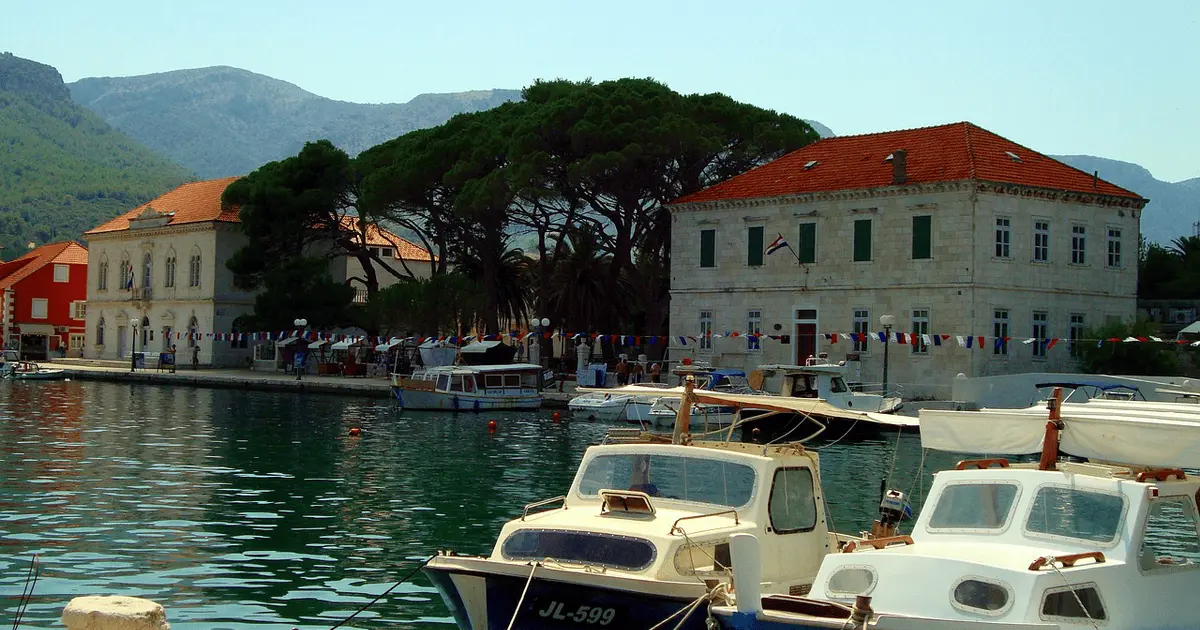
Hvar Harbor
The working harbor with fishing boats, sailboats, and yachts against historic town backdrop is quintessentially Croatian.
Best Viewpoints:
- Waterfront Promenade: Shoot from the Riva (waterfront walkway) using 24-70mm lens to capture boats with town/cathedral backdrop
- Ferry Pier: Walk out on the pier for elevated perspective looking back at town
- Spanjola Fortress: Aerial view of entire harbor (covered in sunset section)
Camera Settings:
- Daytime: f/8-f/11, ISO 100-200, polarizer to control water reflections
- Blue Hour/Night: f/2.8-f/5.6 (depending on depth needs), ISO 800-3200, tripod for sharp architecture with boat lights reflecting in water
- Long Exposure: 10-30 seconds after dark to create smooth water with light trails from boats
Composition Tips:
- Include boats in foreground for depth and scale
- Use leading lines from pier or promenade
- Capture morning/evening when boats are arriving/departing (movement and activity)
- Reflections in calm harbor water double the visual impact
Narrow Streets and Architecture
Hvar’s old town features medieval narrow streets, stone architecture, and charming details.
Photography Approach:
- Wide angle (16-24mm): Emphasize narrow street perspective leading to distant archway or square
- Normal (35-50mm): Street scenes, architectural context
- Telephoto (70-200mm): Isolate architectural details, compress perspective
Best Light: Early morning (7-9 AM) or late afternoon (5-7 PM) when side-lighting creates texture on stone walls. Midday produces harsh shadows unsuitable for atmospheric street photography.
Details to Capture:
- Weathered wooden shutters against stone walls
- Flower boxes in windows
- Cats lounging in doorways (abundant in Hvar)
- Stone archways and vaulted passageways
- Iron lamp fixtures and architectural details
Pakleni Islands: Coastal and Beach Photography
The Pakleni Islands archipelago offers some of Croatia’s most photogenic seascapes and beaches.
Getting There for Photography
Boat Options:
Water Taxi: Most flexible for photographers. Negotiate with taxi operators at Hvar Town harbor. Explain you’re a photographer needing specific timing/locations. Expect €100-200 for half-day charter depending on season and negotiation.
Rental Boat: If you have boating experience, rent a small motorboat. Freedom to arrive/depart when light is best. Requires boat license.
Tour Boats: Less ideal - fixed schedules don’t accommodate photography golden hours. However, some offer sunset tours that work well.
Best Islands for Photography:
Palmižana (Sveti Klement Island)
Most popular and accessible, with restaurants, beach bars, and beautiful turquoise water.
Photography Spots:
- Palmižana Bay: Turquoise water, boats at anchor, pine forests meeting beach. Shoot from beach looking out at boats and sea. Midday provides the most intense blue-green water color.
- Mlini Beach: Adjacent to Palmižana, quieter, great for beach and coastal photography
Camera Settings:
- Aperture: f/8-f/11 for seascape sharpness
- Polarizing Filter: Essential - intensifies water color, controls reflections, makes boats “pop” against blue water
- ISO: 100-200 (bright conditions)
- Composition: Include boats, distant islands, pine tree branches as frame
Ždrilca Bay (Marinkovac Island)
Carpe Diem Beach Club: While a party venue, the location is photogenic - white pebble beach, clear water, stone pine shade.
Photography Approach:
- Arrive early (before 11 AM) or late afternoon (after 5 PM) to avoid peak crowds
- Shoot from elevated viewpoints above the beach showing the bay’s crescent shape
- Underwater photography possible - water is incredibly clear
- Boats anchored in the bay create Mediterranean atmosphere
Mlini (Marinkovac Island)
Less developed, more natural. Beautiful small pebble beach surrounded by pines.
Photography Approach:
- Pristine nature photography - no development or crowds
- Shoot from beach toward open sea (west/northwest) for afternoon/sunset light
- Include pine forest meeting beach as foreground interest
- Snorkeling photography in shallow clear water
Boat and Seascape Photography Tips
From Boat (while moving):
- Shutter Speed: 1/500s minimum to counteract boat motion
- Image Stabilization: Turn ON
- Aperture: f/5.6 to f/8 balances sharpness with shutter speed needs
- Continuous Shooting: Burst mode captures the best moment as scenery passes
Anchored Boat Shots:
- Include yacht/boat in foreground with island/sunset in background
- Shoot low from water level for dramatic perspective
- Use people on boat for scale and lifestyle element
Water Color:
- Shoot between 11 AM - 2 PM for maximum turquoise intensity (sun directly overhead penetrates water)
- Polarizer at 90° to sun for maximum effect
- Slight saturation boost in post enhances the famous Adriatic blue
Landscape Photography: Interior Hvar
Beyond lavender and coast, Hvar’s interior offers vineyards, olive groves, and traditional villages.
Vineyard Photography
Hvar produces excellent wine, and vineyards clinging to hillsides create dramatic agricultural landscapes.
Best Locations:
- Sveta Nedjelja: Vineyards on extreme slopes above south coast, dramatic setting
- Jelsa and Pitve: Rolling vineyard hills, more gentle topography
- Ivan Dolac: West coast vineyards with sea views
Best Seasons:
- Spring (April-May): Fresh green vines, wildflowers between rows
- Summer (July-August): Lush green vines, grapes developing
- Autumn (September-October): Harvest season, changing colors, golden light, grape-heavy vines
Camera Settings:
- Aperture: f/11-f/16 for front-to-back sharpness showing vine rows
- ISO: 100-200
- Golden Hour: Side-lighting reveals texture in hillside vineyard terracing
Composition:
- Vineyard rows as leading lines up hillside
- Include stone walls (suhozid) separating vineyard terraces
- Workers during harvest (ask permission) add human element
- Wide shots showing vineyard in landscape context with sea in background
Traditional Stone Villages
Velo Grablje: Abandoned village being slowly restored, atmospheric ruins among lavender fields.
Brusje: Active farming village maintaining traditional architecture and lifestyle.
Pitve: Stone village with narrow alleys, traditional architecture, authentic Croatian character.
Photography Approach:
- Respect private property and residents
- Capture weathered stone architecture, details (wooden doors, stone walls, terracotta roof tiles)
- Morning or late afternoon side-lighting creates texture on stone
- Include context - surrounding landscape, agricultural terraces, traditional farming
Beaches and Coastal Viewpoints
Dubovica Beach
Already covered under sunset, but deserves emphasis as Hvar’s most photogenic beach overall.
Why It’s Special: Dramatic coastal amphitheater setting with cliffs, stone boathouse, pebble beach, transparent turquoise water.
Photography Strategy:
- Arrive afternoon (best light on beach)
- Shoot from multiple angles: beach level, elevated parking viewpoint, from water looking back at shore
- Long exposure smooths water against pebbles
- Include the iconic stone boathouse in compositions
Zavala Beach
South coast location backed by steep cliffs, pebble beach, clear water, remote feeling.
Access: Drive from Hvar Town over interior toward Zavala village (southern coast). About 30-minute drive.
Photography:
- Dramatic cliff backdrop provides scale and Mediterranean character
- Less crowded than north coast beaches
- Shoot afternoon when light illuminates beach from west
- Include vines growing on hillside above beach (unique to this area)
Beaches for Family/Lifestyle Photography
Milna Beach: Calm bay, shallow water, pine shade, family-friendly. Good for lifestyle beach shots.
Pokonji Dol: Pebble beach near Hvar Town, accessible, lighthouse on nearby islet adds interest.
Camera Settings for Beach Photography:
- Aperture: f/8-f/11 for sharpness
- Polarizing Filter: Controls water reflections, intensifies blue color
- ISO: 100-200 in bright conditions
- Shutter Speed: 1/250s+ to freeze water motion; or 1-4 seconds with ND filter for smooth water effect
Seasonal Photography Opportunities
Lavender Season (Mid-June to Early July)
Prime photography season. Lavender fields in bloom, warm weather, long days. However, it’s peak tourist season - expect crowds in Hvar Town and popular spots. Book accommodation months in advance.
What to Photograph:
- Lavender fields (obviously)
- Lavender harvest if you’re here late June/early July
- Markets selling lavender products, oils, honey
- Traditional lavender processing (arrange through farms)
Spring (April-May)
Underrated photography season. Wildflowers bloom, fresh green landscapes, fewer tourists, comfortable temperatures (18-24°C).
What to Photograph:
- Wild asparagus harvesting in fields (local spring tradition)
- Vineyard spring growth
- Easter celebrations in villages (if timing aligns)
- Coastal landscapes with spring wildflowers
Summer (July-August)
Peak season - hot (28-35°C), crowded, expensive. However, the Adriatic is warmest and clearest for underwater/beach photography. Long days mean extended golden hours.
What to Photograph:
- Beach and coastal lifestyle
- Sailing and nautical scenes
- Underwater photography
- Summer festivals and events
- Sunset scenes (sun sets around 8:30 PM, allowing dinner before shooting)
Autumn (September-October)
My favorite photography season. Crowds diminish significantly after mid-September, light becomes softer, temperatures comfortable (20-26°C), sea still warm.
What to Photograph:
- Wine harvest in vineyards (September-early October)
- Autumn light on coastal landscapes
- Olive harvest (October-November)
- Fig harvest in villages
- Warmer light quality for landscapes
Winter (November-March)
Low season - many hotels/restaurants close, ferry schedules reduce, weather unpredictable. However, for photographers seeking authentic island life without tourists, winter has appeal.
What to Photograph:
- Storm photography on south coast (dramatic seas)
- Empty towns and harbors
- Traditional winter olive pressing
- Moody, atmospheric landscape photography
- Local life without tourist influence
Challenges: Limited accommodation options, weather can cancel ferries (get stuck), short days (sun sets around 4:30 PM in December).
Practical Information for Photographers
Getting to Hvar
Ferry from Split:
- Car ferry to Stari Grad (2 hours) - book in advance in summer
- Catamaran to Hvar Town (1 hour) - passenger only, no vehicles
- Split is accessible by plane (Split Airport) or bus from Zagreb
Ferry from Drvenik:
- Car ferry to Sućuraj (eastern Hvar) - 35 minutes
- Useful if approaching from south (Dubrovnik direction)
Getting Around Hvar
For Photography: Rent a car or scooter. Essential for accessing lavender fields, remote beaches, interior villages, and timing your arrival at locations for best light.
- Car: Rent in Hvar Town or arrange pickup at Stari Grad ferry
- Scooter: More economical, easier parking, but limited gear carrying capacity
- Taxi: Expensive for multiple locations; not practical for photography
Boat: Rent for Pakleni Islands access (covered earlier).
Where to Stay
Hvar Town: Most convenient for harbor/town photography, restaurants, nightlife. However, most expensive and crowded.
Stari Grad: Quieter, cheaper, historic, closer to lavender fields. Less nightlife.
Jelsa: Middle ground - reasonable prices, authentic island town, central location for exploring island.
Villages (Velo Grablje, Brusje): Agrotourism accommodations immerse you in lavender country, but require car and are isolated.
Best Photography Gear for Hvar
Camera Body: Any modern mirrorless or DSLR works. Good dynamic range helpful for high-contrast coastal scenes.
Essential Lenses:
- Wide-angle (16-35mm): Landscapes, seascapes, architecture
- Standard zoom (24-70mm or 24-105mm): Versatile for travel, town, general photography
- Telephoto (70-200mm): Compressing island views, isolating distant boats, architectural details
Filters:
- Circular Polarizer: Absolutely essential for Hvar - the intense Adriatic light and water reflections demand it. Controls glare, intensifies sky and water color.
- Graduated ND Filter: Helpful for sunset/sunrise to balance bright sky with darker foreground
- Solid ND Filter (ND8 to ND64): If you want long-exposure water smoothing during daylight
Support:
- Tripod: For sunset/sunrise, blue hour, long exposures, maximizing sharpness
- Remote Release: Minimizes camera shake during long exposures
Protection:
- Lens cloth: Salt spray and humidity are constant coastal concerns
- Protective camera bag: Boat spray, beach sand, travel durability
Photography Etiquette in Hvar
Lavender Fields: Always ask permission before entering private property. Respect crops and don’t damage plants.
Villages: Respect residents’ privacy. Ask before photographing people. Not everyone wants to be in tourist photos.
Beaches: Respect others’ space and privacy, especially in beach photography. Avoid photographing children without parental permission.
Religious Sites: Cathedral and churches welcome visitors, but be respectful. No flash during services. Modest dress appreciated.
Drones: Technically require permits for commercial use in Croatia. Recreational use is less regulated but respect privacy and avoid crowded areas. Check current regulations before flying.
📸 Key Takeaways for Hvar Photography
Plan Around Lavender Season
- Mid-June to early July is peak lavender bloom
- Golden hour light is essential for best lavender field photography
- Visit interior villages like Velo Grablje and Brusje for field access
- Always ask permission before entering private lavender fields
Master the Light
- Hvar’s 2,724 annual sunshine hours mean abundant but intense light
- Avoid harsh midday sun (11 AM - 3 PM) for most photography
- Golden hour and blue hour are your best friends
- Overcast days work beautifully for lavender and forest photography
Essential Gear Includes Polarizing Filter
- The circular polarizer is non-negotiable for Adriatic photography
- Controls water reflections and intensifies blue tones
- Makes boats and islands “pop” against turquoise water
- Reduces haze in distant landscape photography
Diverse Photography Opportunities
- Lavender fields (agricultural landscapes)
- Coastal seascapes and dramatic beaches
- Historic architecture in Hvar Town
- Pakleni Islands (tropical-looking Mediterranean waters)
- Traditional villages and cultural heritage
- Vineyard landscapes especially beautiful in autumn
Transportation is Critical
- Rent a car or scooter for photography purposes
- Public buses don’t reach most prime photography locations
- Car allows you to chase light and return to locations
- For Pakleni Islands, rent a boat or arrange private charter
Best Seasons for Photography
- Lavender: Mid-June to early July (peak season, crowded)
- Spring: April-May (wildflowers, green landscapes, fewer crowds)
- Autumn: September-October (best light, grape harvest, warm sea)
- Summer: July-August (clearest water, beach photography, very crowded)
Respect and Ask Permission
- Lavender fields are private property - always ask farmers
- Traditional villages value privacy - be respectful with cameras
- Offer to share photos with people you photograph
- Cultural sensitivity opens doors to authentic moments
The beauty of Hvar photography lies in its Mediterranean light, vivid colors, and the combination of cultivated landscapes (lavender, vineyards) with dramatic natural scenery (cliffs, beaches, islands). When your photos capture the purple lavender glowing in golden light, the turquoise Adriatic contrasting with white stone architecture, and the relaxed island lifestyle that defines Croatian summers, you’ve succeeded in telling Hvar’s visual story.
FAQ
Q: What is the best time for lavender field photography in Hvar?
A: As a photographer who’s visited Hvar’s lavender fields multiple seasons, the absolute best time is mid-June to early July when the lavender is in full bloom. The peak is typically around June 20-25. For photography, I recommend early morning (6-8 AM) or late afternoon (5-7 PM) to avoid harsh midday light. The soft golden light makes the purple lavender glow beautifully. Overcast days also work wonderfully - the diffused light prevents blown-out highlights and creates even, saturated colors. The fields are primarily located around Velo Grablje, Brusje, and Velo Polje villages in the island’s interior.
Q: Where are the best sunset photography spots in Hvar?
A: From my experience photographing Hvar sunsets, my top locations are: (1) Spanjola Fortress - elevated viewpoint overlooking Hvar Town, harbor, and Pakleni Islands with 360-degree sunset views. Arrive 30 minutes before sunset to secure your spot. (2) Hula Hula Beach Bar - west-facing beach location perfect for sunset over water, popular but worth it. (3) Dubovica Beach - secluded pebble beach with dramatic cliffs framing the sunset. (4) Sveta Nedjelja viewpoint - on the island’s south coast, less touristy with stunning coastal sunset perspectives. For the fortress, use f/8-f/11 for sharpness throughout the scene, ISO 200-400, and bracket exposures to blend in post-processing if needed.
Q: What camera settings work best for photographing the Pakleni Islands?
A: For photographing the Pakleni Islands from boat or shore, I typically use: Aperture f/8 to f/11 for maximum sharpness across the turquoise water and islands. ISO 100-200 in bright sunlight (which is almost always the case in Hvar). Shutter speed 1/250s or faster to freeze any boat movement if shooting from water. A polarizing filter is essential - it cuts reflections on the water surface and intensifies the azure blue color of the Adriatic. For aerial perspectives from elevated viewpoints, shoot in midday for the best water color contrast. The clearest water for photography is at Palmižana and Mlini beaches. If shooting from a boat, a stabilized lens or higher shutter speed (1/500s+) prevents motion blur.
Q: How do I photograph Hvar Town’s architecture and harbor?
A: Hvar Town photography works best from multiple perspectives. For the classic postcard view of the harbor with cathedral and bell tower, shoot from the waterfront promenade using a wide-angle lens (16-24mm) or standard zoom (24-70mm). Early morning (7-8 AM) provides soft light before crowds arrive. For St. Stephen’s Square, the largest square in Dalmatia, shoot during blue hour (30 minutes after sunset) when the historic buildings are illuminated but sky retains color. For architectural detail shots of the cathedral’s Renaissance facade, use a longer lens (70-200mm) to compress perspective and isolate details. Avoid midday when harsh overhead light creates unflattering shadows on architecture. The narrow streets of the old town photograph beautifully in soft morning or late afternoon light.
Q: What are the most photogenic beaches on Hvar?
A: Based on years of photographing Croatian beaches, Hvar’s most photogenic are: (1) Dubovica Beach - dramatic coastal setting with stone cliffs, pebbles, and turquoise water. Accessible by car or boat, less crowded, best photographed in afternoon when light illuminates the beach from the west. (2) Zavala Beach - pebbly beach backed by steep cliffs on the island’s south coast, dramatic landscape photography potential. (3) Milna Beach - family-friendly with Mediterranean pines framing the beach, good for compositional elements. (4) Palmižana (Pakleni Islands) - stunning turquoise water, boat photography, best in midday light for maximum water color. For beach photography, use a polarizing filter, shoot at f/8-f/11 for sharpness, and include foreground elements like rocks, boats, or vegetation for depth.
Q: Can I photograph lavender fields close-up or only from a distance?
A: Most lavender fields in Hvar are on family-owned farms, and photographing requires respect for private property. However, many families welcome photographers - just ask permission first. I’ve found that approaching farmers politely, explaining you’re a photographer interested in documenting traditional lavender cultivation, usually results in enthusiastic permission and often a farm tour. For close-up lavender photography, use a macro lens or close-focusing capability on a 50mm or 100mm lens. Shoot at f/2.8-f/4 to blur the background field while keeping a few lavender stems sharp. Include bees or butterflies for added interest - they’re abundant during bloom season. For wide landscape shots showing the field patterns, use f/11-f/16 for maximum depth of field and shoot from elevated positions if possible. The golden hour side-lighting creates beautiful texture in the lavender rows.
Q: What’s the best way to get around Hvar for photography locations?
A: For photography purposes, I strongly recommend renting a car or scooter. While Hvar Town itself is walkable, the best photography locations - lavender fields, remote beaches, viewpoints, and hilltop villages - require your own transportation. The island is about 68km long, and public buses are limited and don’t run to remote photography spots. Rent from Hvar Town or arrange pickup from Stari Grad (ferry port). A car allows you to chase light, return to locations for different times of day, and carry photography gear comfortably. For the Pakleni Islands, rent a small boat or join photography-friendly boat tours. Some operators offer private charters where you can direct the captain to specific photography locations and control timing for best light.
Q: What essential photography gear should I bring to Hvar?
A: Based on my Hvar photography experience, pack: (1) Wide-angle lens (16-35mm) for landscapes, seascapes, and lavender field vistas. (2) Standard zoom (24-70mm or 24-105mm) for versatile shooting - town, harbor, general travel. (3) Telephoto zoom (70-200mm) for compressing island views, isolating architectural details, and distant boat photography. (4) Circular polarizing filter - absolutely essential for the intense Adriatic light; controls water reflections and sky saturation. (5) Neutral density filter (ND8 or ND64) if you want to shoot long exposures of water during daylight. (6) Tripod for sunset photography from the fortress and blue hour town shots. (7) Extra batteries - summer heat drains them faster. (8) Lens cloth - salt spray and humidity are constant. (9) Protective camera bag - boat spray, beach sand. Hvar has Croatia’s sunniest climate (2,724 sunshine hours annually), so prepare for intense light conditions.
💙 Support My Photography Work Enjoy these guides? Support me on Patreon to help create more in-depth photography content! 🙏