Mostar Photography Guide: Capturing Bosnia’s Iconic Bridge & Ottoman Heritage
I still remember my first visit to Mostar as a photographer. I arrived at midday in July, rushed to Stari Most, and found myself amid thousands of tourists crowding the bridge and riverbanks. The harsh overhead sun created blown-out highlights on the pale stone bridge while the river gorge fell into deep shadow. Every composition included dozens of people, and finding any clean angle seemed impossible. After multiple return visits across seasons and times of day, I’ve learned that successful photography in Mostar requires strategic timing, understanding the complex light conditions, and patience to work around crowds at one of the Balkans’ most photographed locations.
Mostar, in southern Bosnia and Herzegovina, is defined by Stari Most – the iconic 16th-century Ottoman bridge spanning the emerald Neretva River. Destroyed during the Bosnian War and meticulously reconstructed by 2004, the bridge symbolizes reconciliation and has earned UNESCO World Heritage status. Beyond the bridge, Mostar’s Ottoman-era Old Town features narrow cobblestone streets, traditional bazaars, historic mosques, and honey-colored stone architecture preserving centuries of Balkan history.
In this comprehensive guide, I’ll share everything I’ve learned about photographing Mostar and its surroundings. You’ll discover the best times and viewpoints for bridge photography, master camera settings for challenging contrast conditions, develop composition strategies for architectural and cultural photography, understand respectful approaches to documenting war history, and explore outstanding day-trip destinations including Kravice Waterfalls, Blagaj Tekija, and medieval Počitelj.
Table of Contents
- Understanding Mostar’s Photography Landscape
- Camera Settings for Mostar
- Photographing Stari Most: The Iconic Bridge
- Old Town Photography
- Cultural and Street Photography
- Best Times and Seasons
- Day Trip Photography Destinations
- Composition Techniques
- Respectful Photography in Post-War Mostar
- Practical Information
- FAQ
Understanding Mostar’s Photography Landscape
Mostar presents unique photographic opportunities combining dramatic Ottoman architecture, cultural richness, and complex history.
The Bridge: Mostar’s Photographic Heart
Stari Most dominates Mostar photography. The single-arch stone bridge, built in 1566 by the Ottomans, spans 29 meters across the Neretva River at a height of 24 meters. The bridge’s elegant arch, constructed from local tenelija limestone, has a distinctive pale honey color that photographs beautifully in warm light.
The bridge was tragically destroyed in 1993 during the Bosnian War. Its reconstruction, completed in 2004 using original building techniques and stone quarried from the same location, represents one of history’s most significant architectural restoration projects. Today, the bridge stands as a powerful symbol of reconciliation and cultural heritage preservation.
Photographically, the bridge offers endless possibilities – the graceful arch from river level, elevated views showing its dramatic context, details of the stone construction, cultural elements like the famous divers, and its integration with the surrounding Ottoman town.
The Neretva River
The Neretva River flowing beneath Stari Most creates distinctive emerald-green color from dissolved minerals and limestone. This unusual water color photographs beautifully, creating striking contrast with the pale bridge stone and surrounding architecture.
The river flows through a narrow gorge in the city center, creating dramatic vertical relief. The steep banks and high bridge provide unique elevated perspectives rare in river bridge photography.
Water levels vary seasonally – higher and faster in spring, lower and calmer in summer and fall. The calmer summer water creates better reflections for photography, while spring’s powerful flow adds dynamic energy.
The Old Town
Mostar’s Old Town (Stari Grad) on both banks of the Neretva preserves Ottoman urban design from the 16th-17th centuries. The area features narrow cobblestone streets, traditional stone houses, workshops, mosques, and the famous Old Bazar (Kujundžiluk) selling copperware, carpets, and traditional crafts.
The architecture uses local honey-colored limestone creating warm tones that glow in golden hour light. The compact, dense urban fabric creates interesting compression in street photography, while the steep hillside setting provides natural elevation changes.
The Old Town’s authentic Ottoman character, though heavily touristic, still provides strong cultural photography opportunities showing traditional Balkan life, crafts, and architecture.
Light and Shadow
Mostar’s position in a river gorge creates complex lighting. The steep valley walls and tall buildings create areas of deep shadow even during midday. The contrast between sunlit areas (the bridge, upper town) and shadowed sections (river level, narrow streets) challenges exposure management.
The pale limestone architecture is highly reflective, easily blowing out to pure white in bright sun. Simultaneously, the shadowed gorge and narrow streets fall into darkness. This extreme dynamic range requires careful exposure technique and often bracketing for post-processing flexibility.
Camera Settings for Mostar
Mostar’s bright limestone architecture and shadowed river gorge create challenging exposure scenarios.
Bridge Photography Settings
Landscape views of Stari Most:
- Aperture: f/8-f/11 for depth of field including foreground river and distant town
- Shutter Speed: 1/125s or faster for handheld (riverbank positions don’t always allow tripods)
- ISO: 100-200 in good light, up to 400-800 in morning/evening shadow
- Exposure Compensation: -0.3 to -0.7 EV to protect bridge highlights
- White Balance: Daylight (5500K) to render the limestone color accurately
The pale bridge stone fools camera meters into underexposure, but overexposure blows highlights. Underexpose slightly to protect bridge detail, then lift shadows in post-processing.
Evening/Blue Hour bridge photography:
- Tripod: Essential for long exposures
- Aperture: f/8-f/11
- Shutter Speed: 1-4 seconds (depends on desired water smoothness and light level)
- ISO: 100-200
- Bracketing: Essential for dynamic range between illuminated bridge and sky
Street and Cultural Photography
Old Town streets and people:
- Aperture: f/4-f/5.6 for subject isolation with environmental context
- Shutter Speed: 1/250s minimum to freeze pedestrian movement
- ISO: Auto ISO 400-3200 (narrow streets are dark)
- Autofocus: Continuous AF for moving subjects
- Shooting Mode: Aperture Priority for flexibility in changing light
The narrow shadowed streets require higher ISO despite bright outdoor conditions. Don’t be afraid to push ISO to 1600-3200 for proper exposure and motion-stopping shutter speeds.
Bridge Diver Photography
Action photography:
- Shutter Speed: Minimum 1/500s, preferably 1/1000s or faster
- Mode: Shutter Priority (Tv/S)
- Autofocus: Continuous (AI Servo/AF-C) with tracking
- Drive Mode: High-speed continuous (8-10 fps)
- ISO: Auto ISO (typically 400-800 in the shaded gorge)
Pre-focus on the bridge center and track the diver. Start shooting as they jump – the entire dive takes less than 2 seconds.
Photographing Stari Most: The Iconic Bridge
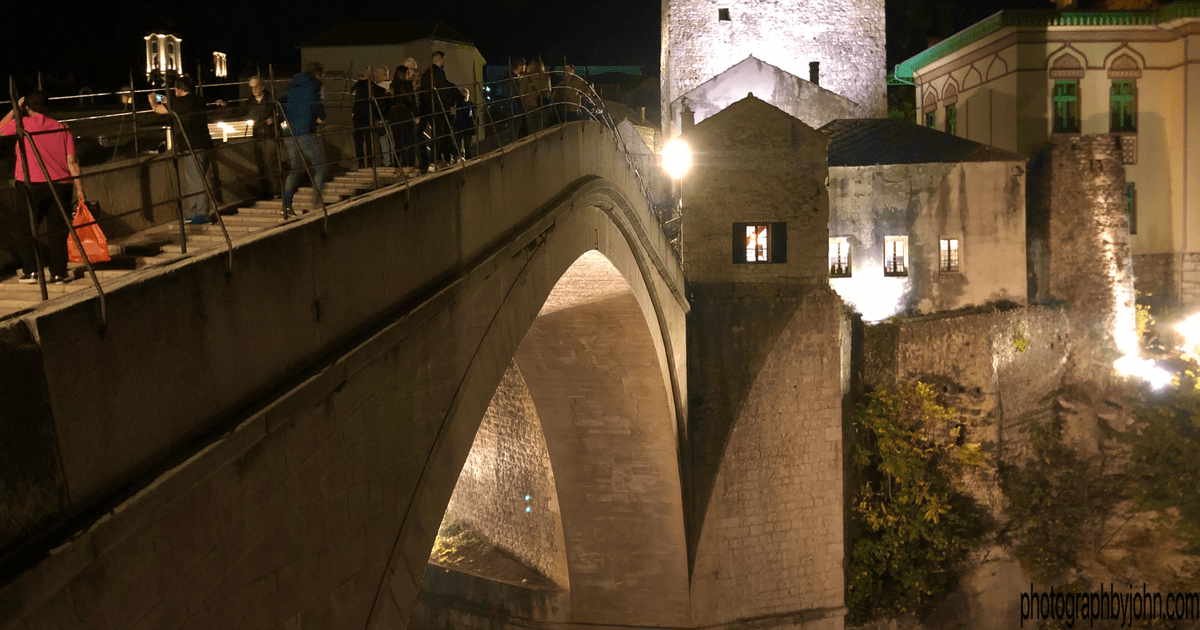
The bridge provides Mostar’s signature images and requires understanding the best viewpoints and techniques.
Koski Mehmed Pasha Mosque Minaret: The Classic Elevated View
The minaret of Koski Mehmed Pasha Mosque (built 1618) offers the most iconic elevated view of Stari Most. The narrow spiral staircase climbs 89 steps to a viewing platform providing 360-degree panoramas.
Photography from the minaret:
This elevated position shows the complete bridge arch, its relationship to the river, and the context of red-tiled roofs flowing down both hillsides. Use wide-angle lenses (16-35mm) to capture the full scene, or standard zooms (24-70mm) for tighter bridge-focused compositions.
Late afternoon (4:00-6:00 PM) provides optimal light – the sun illuminates the bridge from the west, creating beautiful front lighting without harsh overhead glare. The warm afternoon light brings out the honey tones in the limestone.
Composition challenges: The viewing platform is small (about 2×2 meters) with protective railings that limit camera positioning. Shoot through the railings or use the gaps. The platform sways slightly when multiple visitors move – wait for stillness during exposure or use faster shutter speeds.
A small entrance fee (8-10 EUR) includes mosque courtyard and minaret access. The mosque is active, so dress respectfully and remove shoes if entering the prayer hall.
River Level West Bank: The Frontal Classic
The west riverbank (the Old Town side with restaurants) provides the classic frontal view showing the full bridge arch rising from the river.
Photography technique:
Position yourself on the rocky riverbank or restaurant terraces. Wide-angle lenses (16-24mm) allow including foreground river leading to the bridge, creating depth. Standard zooms (24-70mm) frame the bridge more tightly.
Morning (7:00-9:00 AM) offers the best light from this angle – the rising sun illuminates the bridge face beautifully. The calm morning water creates reflections, doubling the bridge’s visual impact.
Include foreground elements – rocks in the river, flowing water, vegetation along the banks – to create layers and depth. A polarizing filter manages water reflections and saturates the river’s emerald color.
River Level East Bank: Alternative Angle
The east riverbank shows the bridge from the opposite direction with different background architecture.
Photography approach:
This side receives better afternoon light, making it my choice for 4:00-6:00 PM shooting. The bridge is backlit in morning from this position, creating silhouette opportunities or challenging exposure management.
Less crowded than the west bank, providing more space for tripod work and composition experimentation.
Under the Bridge: Dramatic Upward Perspective
The rocky riverbed directly beneath the bridge offers unique upward perspectives emphasizing the bridge’s dramatic height and architectural engineering.
Technical considerations:
Requires wide-angle lenses (16-24mm or wider) to capture the full arch from so close. The extreme upward angle creates perspective distortion that can be dramatic or challenging depending on composition.
Exposure is difficult – bright stone bridge against bright sky creates minimal contrast and risk of blowing highlights. Underexpose by -1.0 EV or more, shooting RAW for shadow recovery.
This viewpoint is only accessible when water levels are low (summer/fall). Spring high water makes the riverbed inaccessible.
From the Bridge: On-Bridge Perspectives
Walking across Stari Most provides perspectives from the bridge itself.
What works:
Looking along the bridge showing the arch curve and cobblestone surface creates unique images conveying the bridge experience. Include people walking across for scale and human element.
The elevated position allows photographing down the river in both directions, showing the gorge and town context.
Challenges:
The bridge is crowded during most daylight hours, making clean compositions difficult. Wide-angle lenses help include context while minimizing people in frame.
The cobblestone surface is slippery – watch your footing while concentrating on composition.
Distant Upstream View: Context Shots
Walking 200-300 meters upstream (north) along the river provides distant elevated views showing the bridge in its full urban context.
Photography opportunity:
Telephoto lenses (70-200mm) compress the scene, stacking the bridge, Old Town, and hillside buildings into layered compositions. This perspective shows Mostar as a complete cityscape rather than isolating the bridge.
Morning or late afternoon side-lighting works best, creating dimension in the compressed view.
Less crowded viewing as most tourists cluster around the bridge itself.
Old Town Photography
Mostar’s Old Town surrounding Stari Most provides rich architectural and cultural photography.
The Old Bazar (Kujundžiluk)
The cobblestone street running from Stari Most through the Old Town features traditional shops, workshops, and market stalls.
Photography subjects:
- Copper workshops: Artisans hammering traditional copperware using centuries-old techniques
- Carpet and textile shops: Colorful displays hanging in doorways
- Architecture: Ottoman-era stone buildings with wooden balconies and traditional details
- Street scenes: The pedestrian flow, shop interactions, and daily commerce
Technical approach:
The narrow street creates challenging light – bright patches where sky is visible, deep shadow under building overhangs. Use auto ISO (400-3200) to maintain 1/250s minimum for sharp handheld shots at f/4-f/5.6.
Early morning (7:00-8:00 AM) before shops open offers empty street architecture shots with beautiful golden light. Evening (6:00-8:00 PM) brings warm light and locals emerging after the day’s heat.
Residential Streets
Step off the main tourist route into residential side streets for authentic cultural photography.
What you’ll find:
- Daily life: Residents going about normal routines
- Architectural details: Stone doorways, traditional windows, worn steps, textured walls
- Intimate scales: Narrow passages, hidden courtyards, vertical compositions
These quieter streets provide more authentic cultural documentation than the heavily commercial Old Bazar.
Respectful approach:
Residents here aren’t accustomed to tourists. Photograph street scenes and architecture discreetly. Always ask permission before photographing people directly or private courtyards.
Mosques and Religious Sites
Mostar features several historic mosques beyond Koski Mehmed Pasha.
Photography guidelines:
- Remove shoes before entering
- No photography during prayer times
- Ask permission before photographing worshippers
- Respect the sacred nature of the spaces
The architecture and interior details of mosques provide beautiful cultural photography when approached respectfully.
Cultural and Street Photography
Mostar’s blend of cultures and tourism creates dynamic street photography opportunities.
Traditional Crafts
The Old Bazar preserves traditional crafts worth documenting:
Copper work: Watch artisans hammer copper plates into traditional vessels using techniques unchanged for centuries. The process creates visually dynamic images with motion, sparks, and craftsmanship.
Carpet weaving: Some shops have weavers working on traditional looms, demonstrating this ancient craft.
Photography approach: Ask permission before photographing craftspeople at work. Explain you’re documenting traditional culture. Most appreciate respectful interest. Use fast shutter speeds (1/250s+) to freeze hammer strikes and working hands. Natural window light in workshops creates beautiful illumination.
Coffee Culture
Traditional Turkish coffee culture thrives in Mostar.
Subjects: Elderly men gathered in traditional cafes smoking hookahs (water pipes) and playing backgammon, the elaborate coffee preparation ritual, traditional copper coffee sets.
Technique: These scenes require sensitivity – the participants may not want to be photographed. Capture general atmosphere shots from a distance, or politely ask permission for closer portraits. Use fast lenses (f/1.4-f/2) for low-light cafe interiors.
The Bridge Divers
Mostar’s bridge divers perform dramatic 24-meter leaps from Stari Most into the Neretva River.
The tradition: Dating back to 1664, young local men dive from the bridge center in a test of courage and skill. Today, the divers collect money from spectators before performing, typically diving between 12:00 PM and 4:00 PM in summer months.
Photography technique: Position on the west riverbank for front-lit shots showing the diver against the bridge, or east for dramatic backlit silhouettes. Use 1/1000s minimum shutter speed, continuous autofocus tracking, and high-speed burst mode. A telephoto lens (70-200mm) fills the frame with action. The dive happens in less than 2 seconds from jump to water entry, so anticipation is critical. Watch for preparation signals – divers typically make several false starts before the actual leap.
Crowd management: The bridge and riverbanks are packed during dive times. Arrive 15-20 minutes early to secure a good viewing position with clear sight lines.
Best Times and Seasons
Timing dramatically affects photography success in Mostar.
Daily Timing
Early Morning (7:00-9:00 AM): The best time for Mostar photography.
Benefits:
- Empty Old Town streets before tour buses arrive
- Beautiful golden morning light on the bridge and architecture
- Calm Neretva River for reflections
- Comfortable temperatures before midday heat
- Local life stirring (bakeries opening, residents starting their day)
I arrive at 7:00 AM to photograph the bridge from multiple viewpoints and explore the Old Town before crowds overwhelm the area around 10:00 AM.
Midday (11:00 AM-3:00 PM): Most challenging time.
Challenges:
- Intense crowds (peak tour bus hours)
- Harsh overhead sun creating washed-out bridge stone
- Extreme contrast between bright areas and deep shadows
- Heat (40°C+ in summer)
The bridge divers perform during these hours, so if that’s your priority, midday shooting is necessary despite the challenging conditions.
Late Afternoon/Evening (6:00-8:00 PM): Second-best time.
Benefits:
- Warm evening light creating golden tones on stone
- Thinning crowds as tour groups depart
- Cooler temperatures
- Beautiful blue hour after sunset when bridge illumination begins
Blue Hour: The 30 minutes after sunset offer magical photography when the bridge is illuminated and reflects in the darkening river against blue sky.
Seasonal Considerations
Spring (April-May): Excellent Photography Season
Benefits:
- Pleasant temperatures (15-25°C)
- Moderate tourist crowds
- Green vegetation and flowers
- Higher Neretva River water from spring runoff
- Good light quality
My favorite season for Mostar photography.
Summer (June-August): Peak Tourist Season
Benefits:
- Reliably sunny weather
- Bridge divers performing daily
- Long evening light (sunset around 8:00-8:30 PM)
- All facilities open
Challenges:
- Extreme crowds
- Intense heat (35-40°C+)
- Harsh midday light
- Lower river water levels
Summer requires very early morning arrival to avoid crowds.
Fall (September-October): Second-Best Season
Benefits:
- Moderate crowds (September still busy, October quieter)
- Pleasant temperatures
- Beautiful light quality
- Autumn colors on hillsides
- Lower river water (better for under-bridge access)
Challenges:
- Shorter days than summer
- Occasional rain
Winter (November-March): Off-Season
Benefits:
- Very few tourists
- Unique winter light
- Snow-covered hillsides (occasional)
- Authentic local atmosphere
Challenges:
- Cold temperatures
- Gray skies frequent
- Very short days
- Some tourist facilities closed
Winter offers completely different character – moody, atmospheric, and authentic.
Day Trip Photography Destinations
Several exceptional photography destinations surround Mostar, all within 45 minutes’ drive.
Blagaj Tekija: Monastery Meets Nature
Blagaj Tekija, 12km from Mostar, combines Ottoman architecture with dramatic natural setting.
The subject: A 16th-century Dervish monastery built into the base of a 200-meter vertical cliff where the Buna River emerges from a cave. The white monastery buildings, traditional wooden platforms, and turquoise river create exceptional compositions.
Photography opportunities:
- The monastery against the dramatic cliff backdrop
- Reflections in the calm river
- Architectural details of Ottoman design
- River spring emerging from the cave
- Traditional riverside restaurant platforms
Best light: Morning (8:00-10:00 AM) when sunlight illuminates the white monastery against the still-shadowed cliff, or late afternoon for warm light on stone and wood details.
Camera settings: Standard landscape settings (f/8-f/11, ISO 100-200). The bright white monastery against dark cliff creates high contrast – consider bracketing exposures or using graduated ND filters.
Kravice Waterfalls: Natural Drama
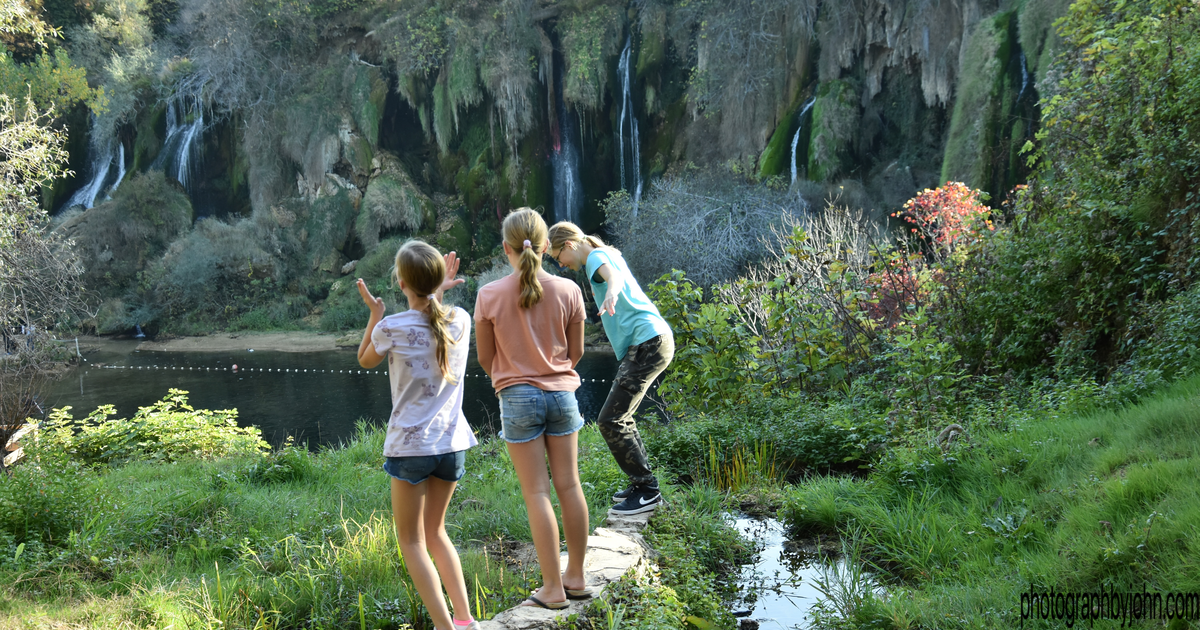
Kravice Waterfalls, 40km from Mostar, offers spectacular waterfall photography.
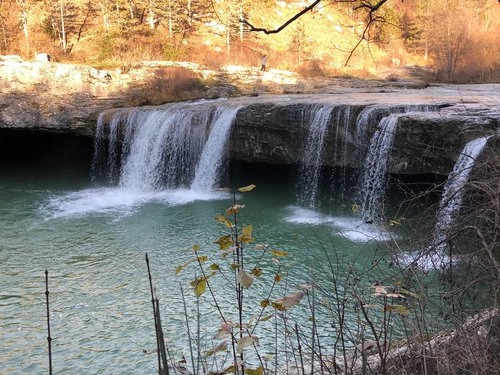
The waterfalls: A 25-meter-high, 120-meter-wide cascade creating a dramatic amphitheater with turquoise pools.
Photography approach:
- Arrive early (8:00-9:00 AM) before crowds
- Use long exposure technique (1-4s with ND filters) for silky water
- Wide-angle lenses (16-35mm) for full cascade width
- Telephoto (70-200mm) for cascade details
- Polarizing filter for turquoise pool color saturation
Best season: Spring (April-May) for maximum water flow. Summer brings crowds and swimming activity. Fall offers moderate water with fewer people.
Timing: Morning light works best. The cascade faces south, so afternoon creates harsh glare.
Počitelj: Medieval Fortress Village
Počitelj, 30km from Mostar, is a remarkably preserved fortified village climbing a steep hillside.
The subject: 16th-century fortress, mosque with distinctive minaret, clock tower, and traditional stone houses creating a vertical village.
Photography opportunities:
- Village overview from across the valley
- Fortress views over the Neretva valley
- Narrow streets and stone architecture
- Mosque and minaret details
- Compressed telephoto views stacking village elements
Best light: Late afternoon (4:00-6:00 PM) when warm light illuminates honey-colored stone against darker hillside shadows. Morning works for front-lit architecture.
Advantage: Much less touristic than Mostar, offering authentic village atmosphere.
Composition Techniques
Strong composition elevates Mostar photography beyond simple documentation.
Framing the Bridge
Use natural frames to add depth:
- Archways in Old Town buildings framing views of Stari Most
- Tree branches or vegetation framing the bridge
- Bridge architecture framing other elements (looking through the arch at the river)
These frames create layered compositions with foreground interest.
Leading Lines
Mostar offers abundant leading lines:
- The Neretva River leading to the bridge
- Cobblestone streets leading toward the bridge
- The bridge arch itself creating a powerful curved line
- Stone walls and pathways in the Old Town
Use these lines to guide viewers’ eyes through compositions.
Vertical vs. Horizontal
Vertical/Portrait: Works well for:
- The bridge’s height and arch from underneath
- Narrow Old Town streets
- The mosque minaret
- Cultural portraits
Horizontal/Landscape: Better for:
- Bridge context showing surrounding town
- River views
- Panoramic Old Town vistas
- Wide street scenes
Both orientations have their place in comprehensive Mostar documentation.
Including People for Scale
The bridge’s dramatic size isn’t obvious without scale reference. Include:
- People walking across the bridge
- Divers in mid-leap
- Pedestrians in Old Town streets
- Viewers on riverbanks
Small human figures emphasize the bridge’s monumentality and provide narrative interest.
Detail Photography
Don’t forget intimate details:
- Stone texture on the bridge and buildings
- Decorative metalwork on doors and windows
- Traditional craft objects
- Food and coffee culture elements
- Architectural fragments
These details complement wide landscape images and tell a more complete story.
Respectful Photography in Post-War Mostar
Mostar’s recent history requires sensitive photography approaches.
Understanding the Context
The Bosnian War (1992-1995) devastated Mostar. The city became divided along ethnic lines, with intense fighting and widespread destruction. Stari Most, standing for 427 years, was deliberately destroyed in November 1993 – a cultural catastrophe that shocked the world.
The bridge’s reconstruction (2001-2004), using original techniques and materials, represents reconciliation and hope. Today, the bridge is a symbol of recovery, not just of physical reconstruction but of cultural healing.
What to Photograph
Appropriate subjects:
- The reconstructed bridge as a symbol of resilience
- Cultural life and traditions
- Architectural beauty
- Daily life showing normalcy and recovery
- The diverse cultural heritage (Ottoman, Austro-Hungarian, modern)
Approach with sensitivity:
- Remaining war damage (bullet holes, damaged buildings)
- War memorials and cemeteries
- Divided areas along former front lines
These elements are part of Mostar’s story but require respectful, contextual treatment rather than sensationalized or purely aesthetic approaches.
Photography Guidelines
- Don’t photograph war damage as “ruin porn” divorced from human context
- War cemeteries on surrounding hillsides are sacred spaces – if you visit, be reverent
- Always ask permission before photographing people, especially elderly residents who lived through the conflict
- Understand that some residents may not welcome photography of certain subjects
- Approach your work as documenting recovery and cultural richness, not war tourism
The people of Mostar want the world to know their city for its beauty, culture, and resilience – not defined solely by war.
Practical Information
Getting to Mostar
From Croatia:
- From Dubrovnik: 140km, 2.5-3 hours drive
- From Split: 150km, 2.5-3 hours drive
- Border crossing required (bring passport)
From Bosnia:
- From Sarajevo: 130km, 2.5 hours
Tours vs. Independent:
- Many day tours run from Croatian coast (Dubrovnik, Split)
- Independent travel provides flexibility for photography timing
- Consider staying overnight for golden hour and blue hour photography
Accommodation
Old Town: Traditional guesthouses offer authentic stays with bridge views (often noisy from crowds and nightlife).
New Town: Hotels offer modern comfort and quiet but require walking to Old Town (10-15 minutes).
For photography, staying in or very near the Old Town allows early morning shooting before returning for breakfast.
Entrance Fees
- Koski Mehmed Pasha Mosque minaret: 8-10 EUR
- Kravice Waterfalls: 10-15 EUR
- Blagaj Tekija: No entrance fee (donations appreciated)
- Počitelj: No entrance fee
What to Bring
- Camera gear with wide-angle (16-35mm) and telephoto (70-200mm)
- Tripod for evening and blue hour bridge photography
- ND filters if planning waterfall photography at Kravice
- Polarizing filter for river color saturation
- Comfortable walking shoes (cobblestones are slippery)
- Water and sun protection (summer is intense)
- Modest clothing for mosque visits
- Local currency (Convertible Mark - KM/BAM) or Euros (widely accepted)
Currency and Costs
Bosnia uses the Convertible Mark (KM or BAM), pegged 1:1 to the former German Mark, roughly 2 KM = 1 EUR.
Photography costs are minimal – entrance fees to viewpoints, food, and accommodation are the main expenses. Mostar is less expensive than Croatian coast cities.
Key Takeaways
Mostar offers extraordinary photography combining iconic architecture, rich culture, dramatic natural setting, and complex history. Stari Most is one of the world’s most photogenic bridges, while the Ottoman Old Town preserves centuries of Balkan heritage.
Success requires strategic timing – early morning (7:00-9:00 AM) provides the best conditions with empty streets and beautiful light. The Koski Mehmed Pasha Mosque minaret offers the essential elevated view. Understanding the challenging light conditions (bright limestone, deep shadows) and using careful exposure technique produces better images than default camera settings.
Beyond the bridge, explore the Old Town’s cultural richness, document traditional crafts respectfully, and venture to surrounding destinations like Blagaj Tekija and Kravice Waterfalls for varied subjects.
Most importantly, approach photography in Mostar with understanding and respect for its war history. Document the city’s beauty, resilience, and cultural treasures as celebrations of recovery rather than focusing on destruction. The people of Mostar have rebuilt their city and lives – honor that through thoughtful, respectful photography.
FAQ
Q: What is the best time to photograph Stari Most?
A: As a photographer who’s visited Mostar repeatedly, I recommend two optimal times for photographing Stari Most. Early morning (7:00-9:00 AM) provides the best conditions: soft golden light illuminates the bridge’s pale stone beautifully, the Neretva River is calm for clear reflections, and the Old Town is quiet with minimal tourists and no tour buses. I arrive around 7:00 AM to photograph from multiple viewpoints before crowds build. Late evening (6:00-8:00 PM in summer) is my second choice, offering warm sunset light that creates golden tones on the stone bridge, followed by blue hour when the bridge is illuminated and reflects in the river. The famous bridge divers perform between 12:00 PM and 4:00 PM, adding cultural elements to photographs, though crowds are intense during these hours. For the iconic elevated view from Koski Mehmed Pasha Mosque minaret, late afternoon (4:00-6:00 PM) provides optimal light angle on the bridge below. Avoid midday when harsh overhead sun creates extreme contrast and washes out the bridge’s stone details. Seasonally, spring (April-May) and fall (September-October) offer pleasant weather, good light, and moderate tourist numbers, while summer brings crowds but longer evening light. Winter provides empty conditions but shorter daylight hours and possibility of gray skies.
Q: What camera settings work best for Mostar bridge photography?
A: For Stari Most photography, I use settings tailored to the bridge’s bright stone and the challenging contrast with darker surroundings. Standard bridge landscape: Aperture f/8 to f/11 for depth of field keeping the entire bridge and context sharp from foreground to background; Shutter speed 1/125s or faster for handheld shooting (the riverbank positions require handholding as tripods aren’t always practical); ISO 100-200 in good light, increasing to 400-800 in shaded morning or evening conditions. The pale stone bridge can fool your meter – I use exposure compensation of -0.3 to -0.7 EV to prevent blown highlights on the bridge while protecting detail in the stone. For elevated minaret views, similar settings but watch for haze in midday that reduces contrast. For evening/blue hour: Tripod becomes essential, aperture f/8-f/11, shutter speeds 1-4 seconds for smooth water and proper exposure of illuminated bridge, ISO 100-200. Use manual mode and bracket exposures to capture the dynamic range between bright illuminated bridge and darker sky. For cultural/street photography in Old Town: Aperture f/4-f/5.6 for subject isolation with background context, shutter speed 1/250s or faster to freeze pedestrian movement, ISO 400-1600 depending on light in the narrow shaded streets. A polarizing filter helps saturate the emerald green Neretva River and manage reflections off the water. Shoot RAW for maximum flexibility in post-processing the challenging contrast between bright bridge stone and darker river/surroundings.
Q: Where are the best viewpoints for photographing Stari Most?
A: After photographing Stari Most from every angle, I’ve identified the essential viewpoints. Koski Mehmed Pasha Mosque minaret offers the classic elevated view showing the full bridge arch, river context, and Old Town rooftops – this is the most iconic perspective and worth the small entrance fee and 89-step climb. Late afternoon light (4:00-6:00 PM) works best from this height. River level west side (near restaurants) provides the classic frontal view of the bridge with the river leading to the arch – best in morning when eastern light illuminates the bridge face. Use wide-angle lenses (16-24mm) to include foreground river and context. River level east side shows the bridge from the opposite angle with different background buildings – good for afternoon light. The rocky riverbank directly under the bridge offers unique upward perspectives emphasizing the bridge’s height and arch – dramatic but challenging composition requiring wide-angle lenses and careful exposure for bright stone against bright sky. From the bridge itself, you can photograph along the length showing the arch curve and the divers’ perspective, though crowds make this challenging mid-day. For context shots showing bridge and town together, walk upstream (north) about 200 meters where the river bends – telephoto lenses (70-200mm) compress the scene nicely. The new bridge (Bulevar) 300 meters downstream provides a distant elevated perspective showing Stari Most in its urban context. Don’t miss photographing through the Old Town streets where the bridge appears framed by Ottoman architecture – these create intimate contextual compositions.
Q: How do I photograph the bridge divers?
A: Photographing Mostar’s famous bridge divers requires specific techniques and timing. The divers typically perform between 12:00 PM and 4:00 PM during summer months (June-September), though timing isn’t fixed – they dive when enough money is collected from spectators. From my experience photographing the divers: Position yourself on the west riverbank for front-lit shots showing the diver against the bridge, or east bank for backlit silhouettes (more dramatic but harder exposure). Use a fast shutter speed – minimum 1/500s, preferably 1/1000s or faster to freeze the dive action. I use shutter priority mode (Tv/S) at 1/1000s and let ISO adjust as needed (typically 400-800 in the shaded river gorge). Continuous autofocus (AI Servo/AF-C) and high-speed continuous shooting are essential – set your camera to 8-10 fps burst mode. A telephoto lens (70-200mm or longer) allows you to fill the frame with the diver from the riverbank positions. Pre-focus on the dive spot (center of the bridge arch) and track the diver as they fall. The dive lasts less than 2 seconds from jump to water entry, so anticipation is key. Watch for the diver’s preparation signals – they typically make several false starts before the actual dive. Start shooting as they jump, not when they’re already falling. Expose for the bridge (bright stone) and let the diver fall into proper exposure, or use spot metering on the diver and accept slight bridge overexposure. The crowds during dive times are intense – arrive 15-20 minutes early to secure a good riverbank position with clear sight lines.
Q: What are the challenges of street photography in Mostar Old Town?
A: Street photography in Mostar’s Old Town presents unique challenges and opportunities. The narrow cobblestone streets create beautiful compressed perspectives but challenging light – high contrast between bright sky and deep shade, with buildings blocking light for much of the day. I use aperture priority (f/4-f/5.6) with auto ISO (400-3200) to maintain fast enough shutter speeds (1/250s minimum) for sharp shots of moving people. The Old Bazar (Kujundžiluk) running from the bridge is the photographic heart – copper workshops with artisans hammering traditional items, carpet sellers with colorful displays, and traditional architecture provide cultural subjects. However, it’s heavily touristic, so authentic moments require patience waiting for gaps in tour groups. Early morning (7:00-8:00 AM) before shops open offers empty street scenes and golden light, while evening (6:00-8:00 PM) brings warm light and locals emerging after the day’s heat. The Turkish coffee culture provides excellent documentary opportunities – traditional cafes with elderly men smoking hookahs and playing backgammon. Always ask permission before photographing people directly, though candid street scenes of the general atmosphere are acceptable. Be sensitive to the war history – damaged buildings and bullet holes remain, and not all residents welcome photography of these remnants. The best cultural photography comes from stepping off the main tourist route into residential side streets where daily life continues authentically. The stone architecture creates beautiful textures and patterns for detail photography. A 35mm or 50mm prime lens works perfectly for the tight streets, though a 24-70mm zoom provides flexibility. The challenging mix of bright and shadowed areas requires shooting RAW for exposure latitude in post-processing.
Q: Should I visit Kravice Waterfalls for photography?
A: Yes, Kravice Waterfalls (40km from Mostar, about 45-minute drive) is absolutely worth visiting for photography, offering a completely different subject from Mostar’s urban architecture. The 25-meter-high, 120-meter-wide cascade creates a dramatic amphitheater of waterfalls with turquoise pools and lush vegetation. However, timing is critical for photography. Visit in spring (April-May) when water flow is at its peak from snowmelt and spring rains – the full cascade is powerful and dramatic, creating spectacular wide waterfall images. Summer (June-August) brings lower water flow but swimming crowds that complicate photography, though the pools are beautifully turquoise. Fall (September-October) offers moderate water levels with fewer crowds. Winter has minimal water flow but interesting icicle formations in cold years. For daily timing, arrive early (8:00-9:00 AM) when the park opens to photograph before crowds and when morning light illuminates the waterfalls without harsh shadows. The waterfalls face roughly south, so morning provides soft light while afternoon sun creates harsh glare off the white water. Use long exposure techniques (1-4 seconds with ND filters) to create silky water effects. Wide-angle lenses (16-35mm) capture the full cascade width, while telephoto lenses (70-200mm) isolate individual cascade sections. The viewpoints along the rim provide elevated perspectives, while you can photograph from the base level for upward dramatic angles. A polarizing filter saturates the turquoise pool colors and manages reflections. The entrance fee (10-15 EUR) includes access to viewpoints and swimming areas. Combine Kravice with Blagaj Tekija and Počitelj for a full-day photography excursion from Mostar.
Q: What focal lengths work best for Mostar photography?
A: Mostar requires a range of focal lengths depending on your subjects. For Stari Most bridge photography: Wide-angle lenses (16-24mm) are essential for the classic bridge views showing full context from river level, including foreground river, complete bridge arch, and Old Town background. These focal lengths work from the riverbank positions and from the bridge itself. Standard zoom (24-70mm): My most-used range for Mostar, providing flexibility for bridge shots from various distances, Old Town street scenes, architectural details, and cultural photography. This is the ideal walk-around lens for exploring the Old Town. Telephoto lenses (70-200mm): Critical for photographing from the minaret looking down at the bridge (compressing the scene and isolating the bridge), photographing the bridge divers (filling the frame with action from the riverbank), capturing distant bridge views from upstream showing town context, and isolating architectural details from street level. For street and cultural photography in the Old Town: A 35mm or 50mm prime lens provides a natural perspective, wide enough for street scenes yet tight enough for portraits and cultural documentation. The bright f/1.4-f/2 aperture helps in the shadowed streets. If you can only bring one lens, make it a 24-70mm zoom – this handles probably 80% of Mostar photography effectively. For specialized waterfall photography at Kravice, add a wide-angle lens (16-35mm) for the full cascade and a telephoto (70-200mm) for details. A lightweight travel setup might be a 24-105mm or 24-200mm superzoom that covers most needs, though with some image quality compromise. The tight Old Town streets favor wider focal lengths (24-50mm) while the bridge views often benefit from longer reach (70-200mm) for compression and detail.
Q: How do I photograph Mostar respectfully given its war history?
A: Photographing Mostar requires sensitivity to its complex history and the 1990s Bosnian War that devastated the city and destroyed Stari Most. The bridge’s 2004 reconstruction symbolizes reconciliation and hope, but war scars remain visible throughout the city. Respectful photography guidelines I follow: The rebuilt Stari Most is absolutely acceptable to photograph extensively – it’s a symbol of recovery and cultural resilience that locals want documented and shared. Photograph the bridge as a positive symbol rather than focusing solely on its destruction narrative. Remaining war damage (bullet holes in buildings, abandoned structures, damaged facades) exists throughout Mostar, particularly on the former front lines. While photographically compelling, photograph these elements with respect and understanding of the trauma they represent. Avoid sensationalizing destruction or treating war damage as merely aesthetic texture. If photographing damaged buildings, consider the broader context rather than isolated ‘ruin porn’ shots. Be aware that the east and west sides of the river represented different ethnic communities during the conflict, and while the city has rebuilt, some tensions persist. Photograph the reunified city celebrating its cultural diversity rather than emphasizing division. When photographing people, always ask permission and be respectful if refused – many residents experienced trauma during the war. Elderly people were adults during the conflict and may have strong feelings about foreign photography. The cemeteries on hillsides surrounding Mostar contain war victims – these are sacred spaces requiring utmost respect, not casual photography. If you visit, do so reverently and avoid photographing without understanding the significance. Local cultural sites (mosques, churches, cultural centers) welcome respectful photography but remove shoes in mosques, avoid photographing during prayer, and ask permission before photographing religious ceremonies. Your presence as a photographer and visitor demonstrates Mostar’s successful recovery – approach photography as documenting resilience, cultural richness, and beauty rather than war tourism.
Final Thoughts
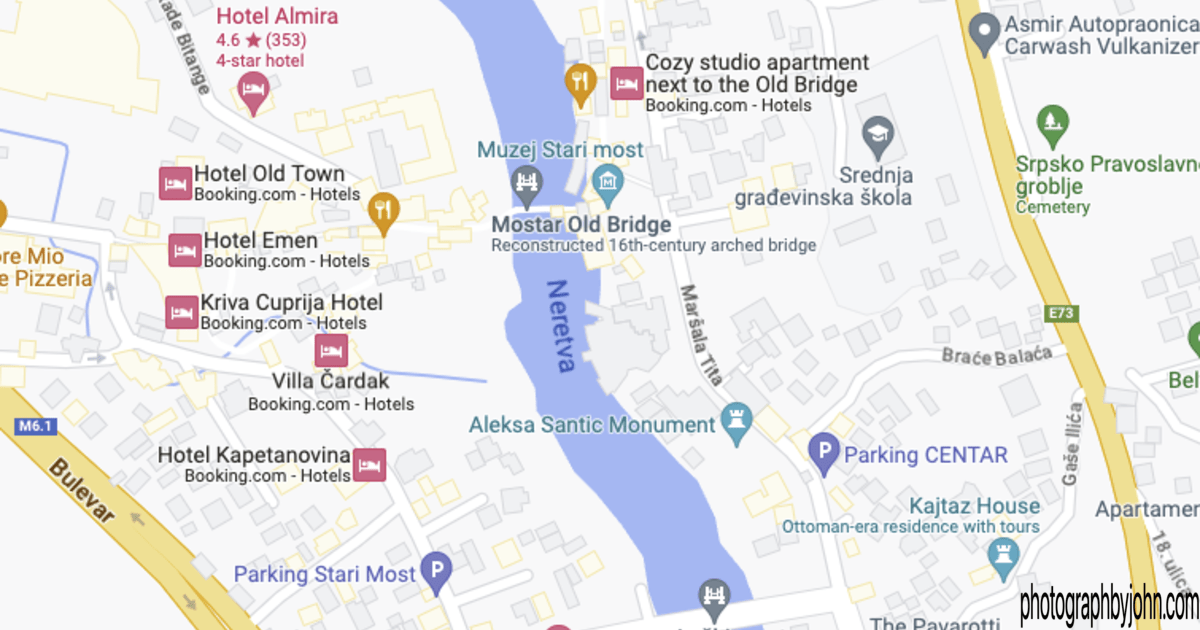
Mostar stands as one of the Balkans’ most photogenic destinations, combining architectural drama, cultural richness, and resilient history into powerful visual narratives. Stari Most, rising from the Neretva River’s emerald waters, is more than just a beautiful bridge – it’s a symbol of reconciliation and cultural preservation that adds depth and meaning to every photograph.
The challenges are real – intense crowds during peak hours, complex lighting from bright limestone and deep shadows, and the need for cultural sensitivity given the city’s war history. But the rewards justify the effort. Few locations offer such a compelling blend of iconic architecture, authentic culture, and dramatic setting within such a compact, walkable area.
Success requires early rising for golden hour light and empty streets, understanding the essential viewpoints from river level to minaret height, respectful engagement with local culture and history, and willingness to explore beyond the bridge to discover Mostar’s full photographic potential.
I hope this guide helps you capture the beauty and spirit of Mostar. Whether you’re photographing the elegant arch of Stari Most, documenting traditional crafts in the Old Bazar, or exploring the dramatic landscapes around Kravice and Blagaj, you’ll discover that Mostar offers some of the most rewarding cultural and architectural photography in Southeast Europe.
The bridge is calling. Get out there and shoot.
💙 Support My Photography Work
Enjoy these guides? Support me on Patreon to help create more in-depth photography content! 🙏