Mushroom Hunting in Croatia
There's something primal about walking into a misty Croatian forest on a crisp October morning, woven basket in hand, eyes scanning the forest floor for wild…
April 14, 2026 · 18 min read
Mushroom Hunting in Croatia: Autumn Foraging Traditions, Best Forests & How to Get Started
There’s something primal about walking into a misty Croatian forest on a crisp October morning, woven basket in hand, eyes scanning the forest floor for wild mushrooms pushing through the leaves. In Croatia, mushroom hunting (gljivarstvo) is not just a hobby. It is a cultural ritual, a family tradition, a competitive sport and a food obsession all rolled into one.
Autumn in Croatia’s forests reveals a spectacular world of wild mushrooms
As a resident of Croatia since 2016, I’ve experienced this firsthand. Every autumn, when the first rains soften the dry summer earth and the forests turn gold and russet, Croatians from all walks of life disappear into the woods. They return hours later with baskets heavy with porcini, chanterelles, honey mushrooms and dozens of other edibles, ready to clean, cook and share.
Why Croatia Is a Mushroom Spot
Croatia sits at the crossroads of several climate zones: Mediterranean along the coast, continental in the interior, Alpine in the mountains. That mix of microclimates, plus vast stretches of relatively untouched forest covering nearly half the country, makes for near-perfect fungal conditions.
The country has over 3,500 documented species of macrofungi, of which several hundred are edible. From the coastal oak forests of Istria and Dalmatia to the beech and fir woodlands of Gorski Kotar and Lika, each region has its own mushroom calendar and species mix.
The forest floor becomes a treasure hunt in autumn
The season typically runs from late August through November, peaking in September and October when warm, wet weather triggers explosive fruiting. A single rainy week in September can turn a quiet forest into a mushroom bonanza almost overnight.
The Croatian Mushroom Obsession
In Croatia, mushroom hunting approaches a national sport. On autumn weekends, cars line the edges of every major forest. Families, couples, pensioners and even young professionals in full hiking gear disappear into the woods at dawn, armed with baskets, knives and an encyclopedic knowledge of local species.
Gljivarstvo: More Than a Hobby
The Croatian Mycological Society (Hrvatsko mikološko društvo) and numerous local societies organize regular forays, exhibitions and educational events through the season. These gatherings are as much social as scientific: a chance to share knowledge, compare finds and celebrate the fungal bounty.
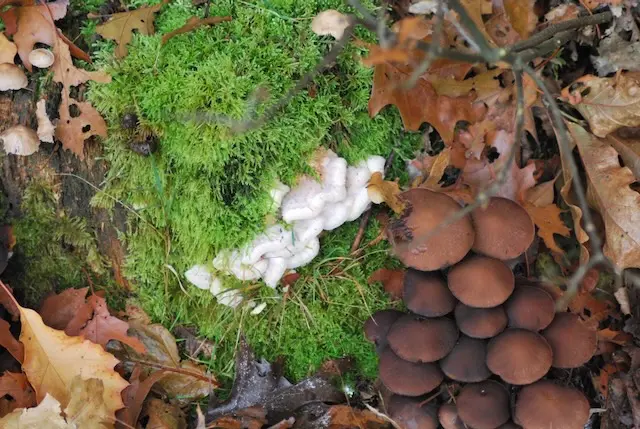
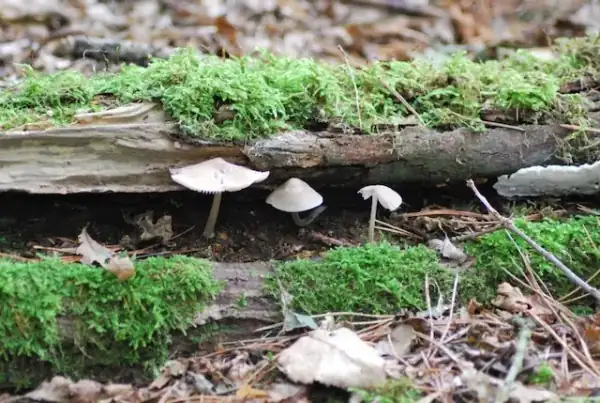
Learning to identify species is the most important skill for any forager
Croatian mushroom hunters are notably knowledgeable. Species identification is taught from a young age. Many Croatians learn the basic edible and toxic species from their grandparents. There is also a system of certified mushroom inspectors (ovlašteni gljivar) who can legally verify and certify wild mushrooms for sale at markets and restaurants.
The Mass Foraging Phenomenon
Every autumn, Croatia experiences what can only be called mass foraging events. After heavy rainfall, entire communities mobilize. Social media groups dedicated to mushroom hunting light up with reports of where species are fruiting. The forests fill with people from dawn to dusk.
The scale is real. In popular foraging areas like Gorski Kotar, Istria and the forests around Karlovac and Slunj, you’ll see hundreds of cars parked along forest roads on a single autumn weekend. Entire families (grandparents, parents, children and dogs) spend the day in the woods together.
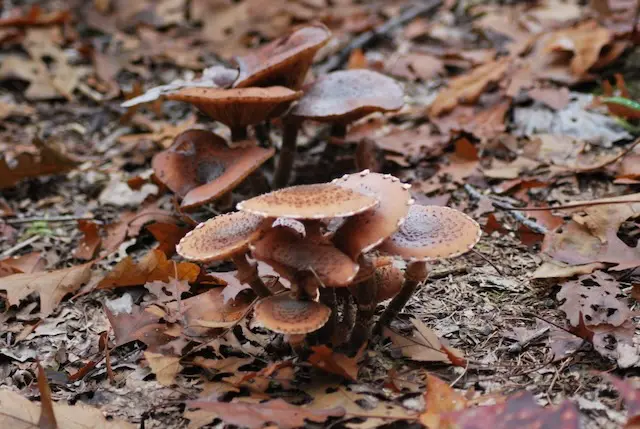
A successful morning’s harvest in the Croatian forest
There’s an unspoken code among Croatian foragers: never reveal your secret spots, always cut rather than pull mushrooms, leave small specimens to grow, respect the forest. Competition can be fierce, but there’s also a strong sense of community and shared passion.
Common Edible Mushrooms in Croatia
Croatia’s forests yield a serious variety of edible mushrooms. Here are some of the most prized species you’ll encounter:
Vrganj: King Bolete (Boletus edulis)
The undisputed king of Croatian mushrooms. Vrganj (porcini / cep) is the most sought-after species, found in oak, beech and spruce forests from September through November. Its meaty texture and rich, nutty flavor make it the star of countless Croatian dishes. Croatians dry vrganj for winter use, pickle them and use them fresh in risottos, soups and sauces.
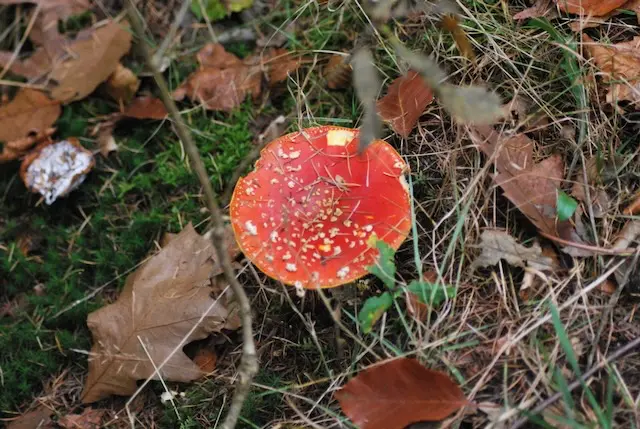
The prized Vrganj, king of Croatian mushrooms
Lisičarka: Chanterelle (Cantharellus cibarius)
Golden-yellow and trumpet-shaped, lisičarka is one of the most recognizable mushrooms in Croatia. Found from June through October in oak and beech forests, its fruity, slightly peppery aroma is unmistakable. Croatians typically cook chanterelles simply: sautéed with garlic and parsley, or in a creamy sauce over homemade pasta.
Smrčak: Morel (Morchella spp.)
Morels appear in spring rather than autumn, typically in April and May, often in areas hit by recent fires or near old orchards. Prized for their complex, earthy flavor, smrčak commands high prices and is treated as a delicacy throughout the Balkans.
Medvjetka: Honey Fungus (Armillaria mellea)
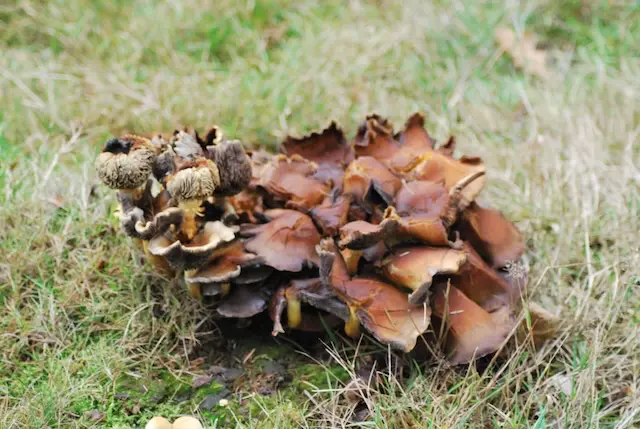
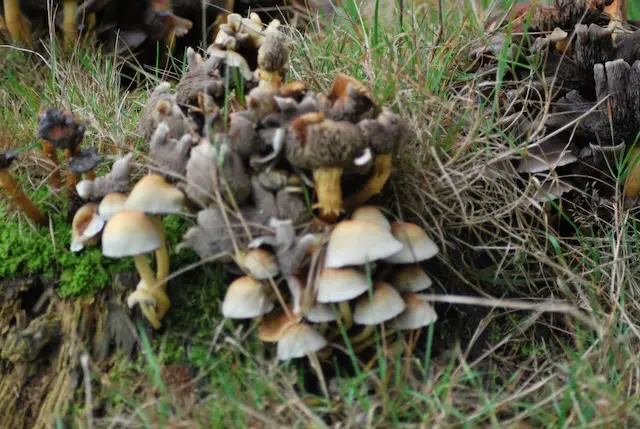
Medvjetka grows in large clusters at the base of trees and stumps, typically in October and November. It needs careful preparation (stems are tough, caps must be thoroughly cooked), but it’s enormously popular in Croatia, where it’s pickled, preserved in vinegar or used in stews.
Rujnica: Saffron Milk Cap (Lactarius deliciosus)
This distinctive orange-red mushroom with its characteristic concentric rings and bright orange latex is found in pine forests, especially in Dalmatia and Lika. When cut, it bleeds a carrot-colored milk. Croatians love to grill or fry rujnica, and it’s a staple of autumn meals in the mountain regions.
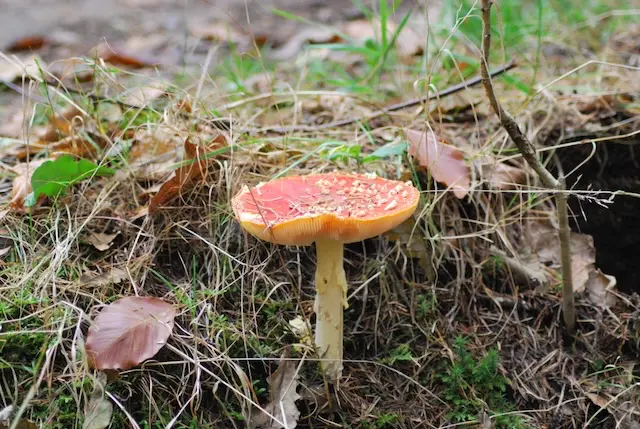
Autumn brings an incredible diversity of species to Croatia’s forests
Bukovača: Oyster Mushroom (Pleurotus ostreatus)
Growing in shelf-like clusters on dead or dying hardwood trees, bukovača is one of the easiest edible mushrooms to identify. It fruits from late autumn through winter, which makes it a useful find when other species have disappeared. Its mild flavor and tender texture make it versatile in the kitchen.
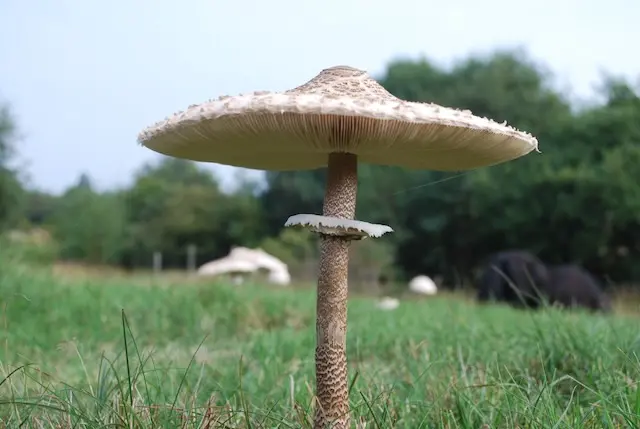
Sunčanica: Parasol Mushroom (Macrolepiota procera)
The tall parasol mushroom appears from late summer through autumn in meadows and forest clearings. When the cap opens fully it can be as large as a dinner plate. Croatians typically dip the caps in egg and breadcrumbs and fry them. A simple preparation that lets the mushroom’s flavor come through.
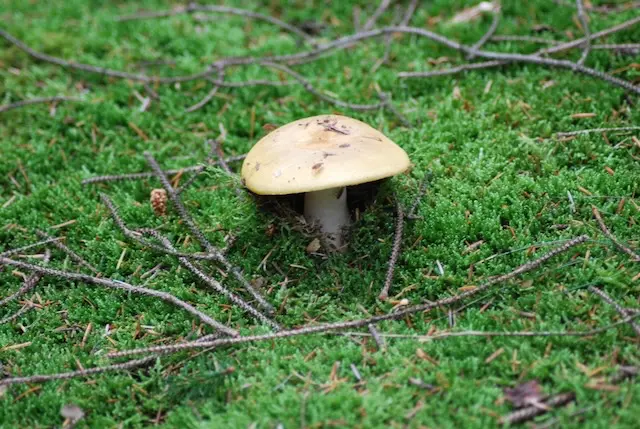
Every forest walk reveals new treasures
Tartufi: Truffles (Tuber spp.)
No discussion of Croatian mushrooms would be complete without truffles. Istria is one of the world’s great truffle regions, rivaling Italy’s Piedmont. Both white truffles (Tuber magnatum) and black truffles (Tuber melanosporum) are found in the Motovun Forest and surrounding areas. The white truffle season runs September through December, and the annual Zigante Truffle Days festival in Livade celebrates this fungus with tastings, cooking demonstrations and truffle-hunting excursions.
Mushroom Traditions Across Europe
Croatia’s passion for mushroom hunting is shared across much of Central and Eastern Europe, though the traditions and intensity vary significantly from country to country.
The Slavic Foraging Belt
Croatia sits within what might be called the Slavic foraging belt, a region stretching from the Czech Republic and Poland through Slovakia, Ukraine, the Balkans and into Russia, where mushroom hunting is deeply embedded in the cultural DNA.
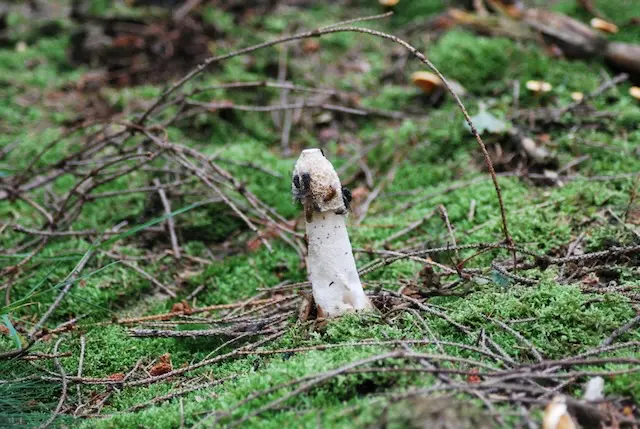
Foraging traditions connect generations across Europe
Poland may be the most mushroom-obsessed nation in Europe. Mushroom hunting (grzybobranie) is a national passion, and the Polish forest code guarantees every citizen the right to forage for personal use. Polish families have maintained detailed knowledge of mushroom species for centuries, and pickled mushrooms (grzyby marynowane) are an essential part of the Polish Christmas Eve dinner table. The tradition is so deeply rooted that mushroom foraging excursions are common company team-building activities.
Czech Republic and Slovakia share an equally intense mushroom culture. Czechs speak of houbaření with near-religious reverence. Families have secret spots passed down through generations, and the first mushroom dish of the season is treated as a celebration. Czech markets in autumn overflow with wild mushrooms, and restaurants feature seasonal mushroom menus.
Slovenia, Croatia’s northern neighbor, has a well-organized mycological tradition. Slovenian foragers are known for their meticulous approach to species identification, and the country hosts numerous mycological exhibitions each autumn. The forests of Kočevje and Snežnik are legendary foraging grounds.
Bosnia and Herzegovina, Serbia and North Macedonia all have rich foraging traditions inherited from both Slavic and Ottoman influences. Wild mushrooms feature prominently in Balkan cuisine: grilled, pickled, preserved and dried. In rural areas, mushroom hunting remains an essential part of the autumn food preservation cycle.
Western and Southern European Traditions
France has a sophisticated relationship with wild mushrooms, centered around seasonal markets where certified inspectors verify species before sale. The French passion for cèpes (porcini), chanterelles and trompettes de la mort (black trumpets) runs deep, particularly in the forests of the Périgord, Burgundy and the Alps.
Italy is perhaps Croatia’s closest cousin in mushroom culture, particularly in the north. The regions of Piedmont, Trentino-Alto Adige and Friuli-Venezia Giulia share much of the same fungal biodiversity as Croatia. Italian foraging laws are strict (many regions require permits) but the cultural passion is every bit as intense. The shared truffle heritage between Istria and Piedmont reflects centuries of similar terroir and tradition.
Germany and Austria have strong foraging traditions, particularly in Bavaria, the Black Forest and the Austrian Alps. The German word Pilzsuche (mushroom seeking) captures the methodical, knowledge-driven approach common in Germanic cultures. Austria requires foragers to obtain a permit (Pilzsammelkarte) in most federal states.
Spain and Portugal have their own rich traditions, particularly in the northern regions. Catalonia has a notably diverse mushroom culture, with dozens of species in traditional cuisine. The Catalan word setas (wild mushrooms) appears on autumn menus throughout the region.
Nordic and Baltic Traditions
The Nordic countries have gone through a mushroom renaissance in recent years, inspired in part by the New Nordic Cuisine movement. Finland has perhaps the most liberal foraging laws in Europe. Everyman’s right (jokamiehenoikeus) guarantees access to forests and the right to forage. Swedish and Finnish families have long traditions of picking chanterelles and porcini in late summer and autumn.
The Baltic states of Estonia, Latvia and Lithuania maintain some of Europe’s deepest foraging traditions. In Lithuania, mushroom hunting is so popular that it is virtually a competitive sport. Families compete to fill the largest baskets, and autumn weekends are dominated by forest expeditions.
The British Approach
The United Kingdom stands in marked contrast to the rest of Europe. British foraging traditions were largely lost during the 20th century, and the country developed a notable mycophobia (a fear of wild mushrooms). Foraging has had a revival in recent years, driven by celebrity chefs and the wild food movement, but the British approach remains more cautious and less culturally embedded than in Continental Europe.
Cooking with Wild Mushrooms: A Croatian Kitchen
After a successful morning in the forest, the real magic happens in the kitchen. Croatian cuisine has hundreds of recipes built around wild mushrooms, from simple preparations that let the mushroom shine to elaborate dishes that use the whole fungal harvest.
From forest to table: the best mushrooms are the ones you found yourself
The simplest and perhaps most genuine preparation is the Croatian mushroom breakfast: fresh vrganj or lisičarka, sliced and sautéed in butter and olive oil with garlic and fresh parsley, served on thick slices of crusty bread with a sprinkle of sea salt. This is autumn on a plate.
Classic Croatian Mushroom Dishes
Gljive na žaru: Mushrooms grilled over an open flame, typically rujnica or large vrganj caps, drizzled with olive oil and seasoned with salt, pepper and rosemary.
Gljive s punjenjem: Large mushroom caps (often sunčanica or vrganj) stuffed with a mixture of breadcrumbs, garlic, parsley and prosciutto, then baked until golden.
Rižoto sa gljivama: Mushroom risotto made with a mixture of wild species, slowly cooked with onions, white wine and finished with butter and Parmesan. A staple of Istrian and Dalmatian cuisine.
Juha od gljiva: Cream of wild mushroom soup, a comfort food staple throughout autumn and winter.
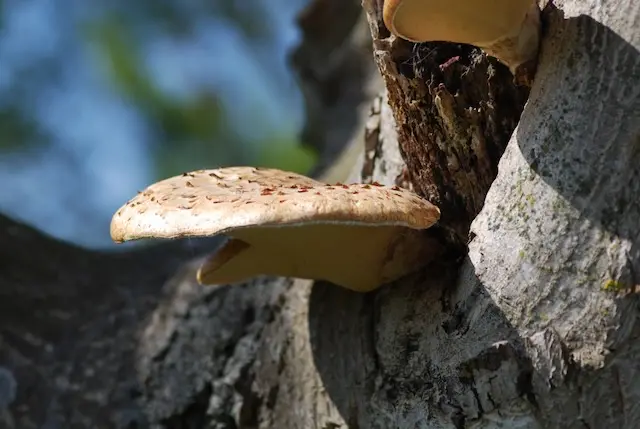
Preparation is key. Cleaning mushrooms properly is an art form itself
Fuži s gljivama: Traditional Istrian hand-rolled pasta served with a rich wild mushroom sauce, often incorporating truffles when in season.
Medvjetka ukiseljena: Pickled honey mushrooms, preserved in vinegar with peppercorns, bay leaves and garlic. A beloved winter pantry staple.
A Simple Mushroom Meal
One of the great pleasures of mushroom season is cooking with what you have just gathered. A simple meal of fresh champignons or wild mushrooms, cleaned and sliced, cooked in butter with a splash of white wine, served alongside scrambled eggs or on toasted bread. This is how Croatians celebrate the harvest.
Best Mushroom Hunting Regions in Croatia
Istria
Istria is Croatia’s fungal crown jewel. The mix of Mediterranean and continental microclimates, extensive oak and chestnut forests, and the famous Motovun Forest makes Istria one of the richest foraging regions in Europe. Beyond truffles, the peninsula produces abundant porcini, chanterelles, Caesar’s mushrooms (Amanita caesarea) and honey mushrooms.
Key foraging areas include the forests around Motovun, Buzet, Oprtalj, Grožnjan and the interior hills of central Istria. The terrain is gentle, making it accessible for foragers of all ages.
Gorski Kotar
Known as the “Green Lungs of Croatia,” Gorski Kotar is a mountainous region of dense beech, fir and spruce forests between Karlovac and Rijeka. The high rainfall and cool temperatures make for excellent mushroom growth. This is prime vrganj territory, and the forests around Delnice, Skrad and Fužine are legendary among Croatian foragers.
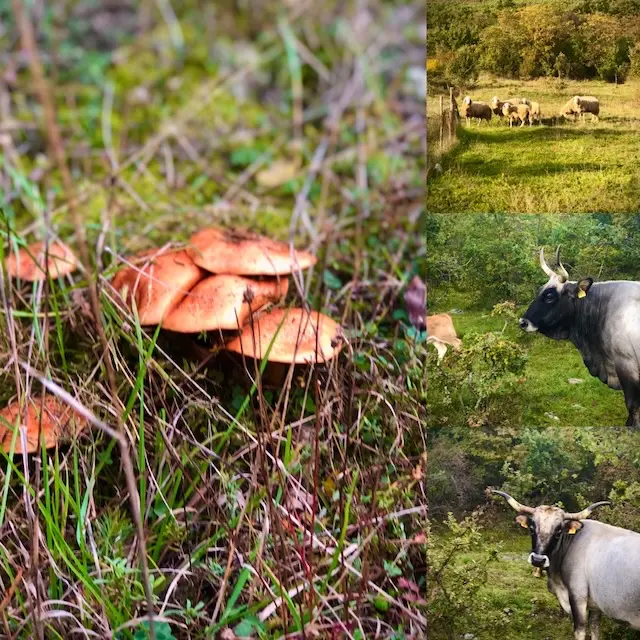
Croatia’s forests offer endless foraging opportunities
Lika and the Velebit Mountains
The mountainous region of Lika, dominated by the Velebit range, offers a different foraging experience. The higher altitude means the season starts later and ends sooner, but the cold, clean mountain environment produces mushrooms of exceptional quality. Rujnica is particularly abundant in the pine forests here.
Slavonia and Baranja
Eastern Croatia’s oak forests are an underappreciated foraging spot. The forests around Papuk Nature Park and Kopački Rit produce prime porcini and other species, with far less competition from other foragers than in the more popular western regions.
Dalmatian Hinterland
While the coastal areas are too dry for most mushrooms, the mountains behind the Adriatic coast (from Biokovo to Dinara) offer productive foraging at higher altitudes, especially after autumn rains.
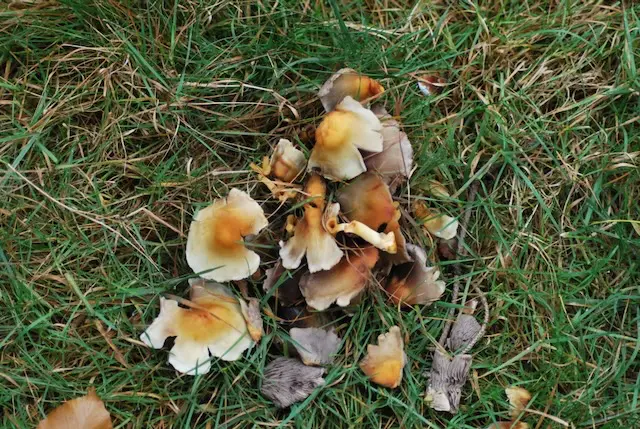
Every region of Croatia has its own mushroom season and specialties
Croatian Mushroom Laws and Regulations
Mushroom foraging in Croatia is regulated by law, though the rules are generally reasonable and designed to protect sustainability rather than restrict access:
- Personal use: Foraging for personal consumption is generally permitted in public forests without a permit. The limit is typically 2 kg per person per day, though this can vary by local regulation.
- Commercial foraging: Selling wild mushrooms requires certification by an authorized mushroom inspector. Uncertified wild mushrooms cannot be sold at markets or to restaurants.
- Protected areas: National parks and nature reserves may have additional restrictions on foraging. Always check local regulations before foraging in protected areas.
- Private property: Foraging on private land requires the landowner’s permission.
- Sustainable practices: Mushroom hunters are expected to cut mushrooms with a knife rather than pulling them, to protect the underground mycelium. Leaving small specimens and not collecting all mushrooms from a patch is considered good practice.
Safety: The Golden Rules of Mushroom Hunting
Mushroom hunting carries real risks, and every year, people in Croatia and across Europe are hospitalized after consuming misidentified wild mushrooms. The consequences can be fatal.
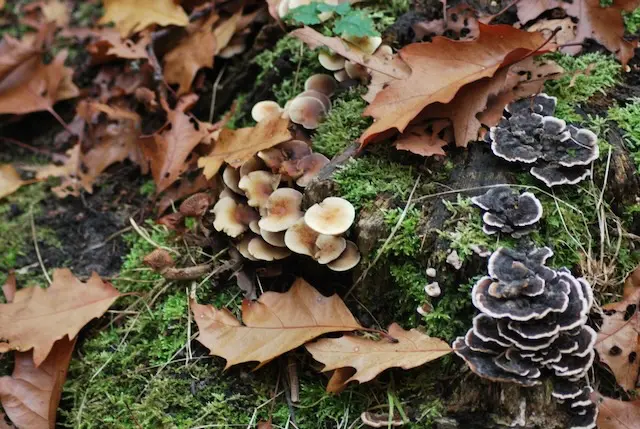
When in doubt, throw it out. Never eat a mushroom you cannot identify with 100% certainty
- Never eat a mushroom you cannot identify with absolute certainty. There are toxic species in Croatia that closely resemble edible ones. The Death Cap (Amanita phalloides) is responsible for the majority of fatal mushroom poisonings worldwide and is found throughout Croatia.
- Learn from experts. Join a local mycological society, go foraging with experienced hunters and attend mushroom identification workshops before venturing out alone.
- When in doubt, throw it out. No mushroom is worth risking your life over. If you are not 100% certain of identification, do not eat it.
- Use multiple identification features. Never rely on a single characteristic (color, shape, smell) to identify a mushroom. Use a combination of cap, gills/pores, stem, spore print, habitat and season.
- Beware of lookalikes. Many edible species have toxic doubles. The Jack O’Lantern mushroom (Omphalotus olearius) resembles chanterelles. The False Morel (Gyromitra esculenta) resembles true morels.
- Photograph before picking. Take clear photos of the mushroom in its habitat before harvesting, including the base of the stem. This helps with identification and creates a useful record.
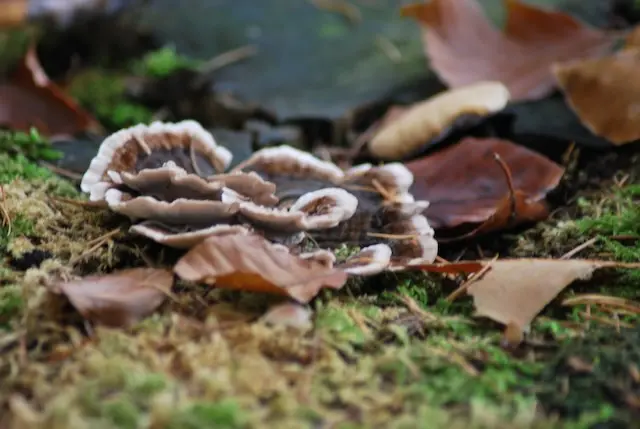
A well-organized basket keeps your finds clean and identifiable
Essential Gear for Mushroom Hunting
Part of the pleasure of mushroom hunting is the preparation. A well-equipped forager carries:
- A woven basket: Never use plastic bags. Mushrooms need to breathe, and an open-weave basket allows spores to disperse as you walk, helping to seed future growth.
- A sharp knife: For cutting mushrooms cleanly at the base. Many Croatian foragers carry a specialized mushroom knife with a curved blade and a brush on the handle.
- A field guide: A complete mushroom identification book for your region. Croatian bookstores carry several excellent local guides.
- A walking stick: Useful for parting tall grass, moving leaves and maintaining balance on uneven terrain.
- Appropriate clothing: Long sleeves, long pants, waterproof boots and layers. Croatian forests in autumn can be wet, muddy and surprisingly cold.
- A phone with GPS: Forests can be disorienting, and mobile reception can be unreliable in remote areas.
Croatia’s forests are beautiful but can be disorienting. Always be prepared
The Deeper Meaning of Mushroom Hunting
Beyond the food itself, mushroom hunting in Croatia offers something increasingly rare in our hyper-connected world: a genuine connection to nature, to the seasons, to a slower kind of time, and to each other.
When you spend hours moving slowly through a forest, every sense tuned to the environment (the smell of wet earth and decaying leaves, the sound of rain on the canopy, the feel of cold air on your cheeks, the sight of a perfect porcini pushing through the moss), something shifts. The noise of daily life fades. Time moves differently. You become part of the forest, if only for a few hours.
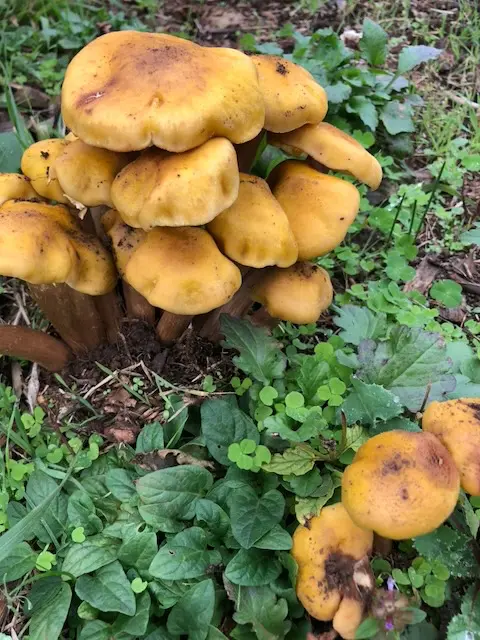
The forest offers something no screen can provide: genuine presence
For Croatian families, mushroom hunting is one of the last truly multi-generational activities. Grandparents teach grandchildren. Knowledge passes orally, as it has for centuries. The shared experience of finding, identifying and preparing wild food creates bonds that no restaurant meal can match.
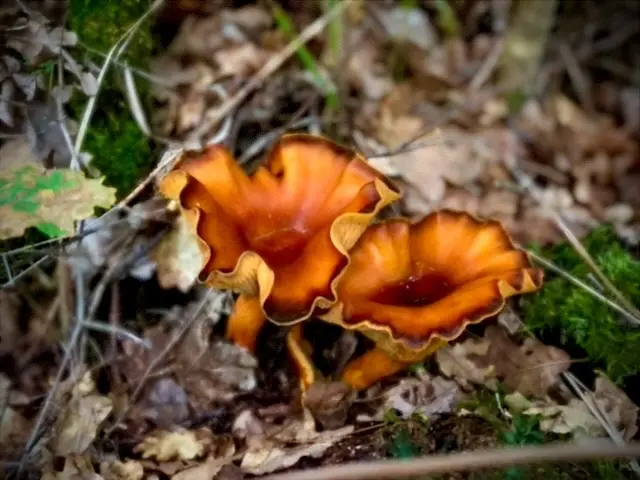
Autumn in Croatia, when the forest floor becomes a treasure map
There is also a lesson in patience and humility. Unlike almost everything in modern life, mushrooms cannot be rushed, ordered, or controlled. They appear when conditions are right, where they choose, in quantities that vary wildly from year to year. The forager must adapt to the forest, not the other way around.
Planning Your Mushroom Hunting Trip to Croatia
If you are inspired to experience Croatian mushroom hunting for yourself, here are some practical tips:
Best time: Late September through early November is peak season for most species. Spring morel season runs April through May.
Where to stay: In Istria, the hilltop towns of Motovun, Grožnjan and Buzet make excellent bases. For Gorski Kotar, look for accommodation in Delnice or Skrad.
Guided foraging: Several companies and local experts offer guided mushroom hunting experiences, particularly in Istria. This is strongly recommended for beginners.
What to expect: Croatian forests can be steep, muddy and challenging. Good physical fitness and appropriate footwear are essential. Weather can change rapidly in autumn.
Bringing mushrooms home: EU regulations on importing wild mushrooms vary by country. Check the rules for your home country before bringing foraged mushrooms across borders. Drying or preserving mushrooms is often the most practical option.
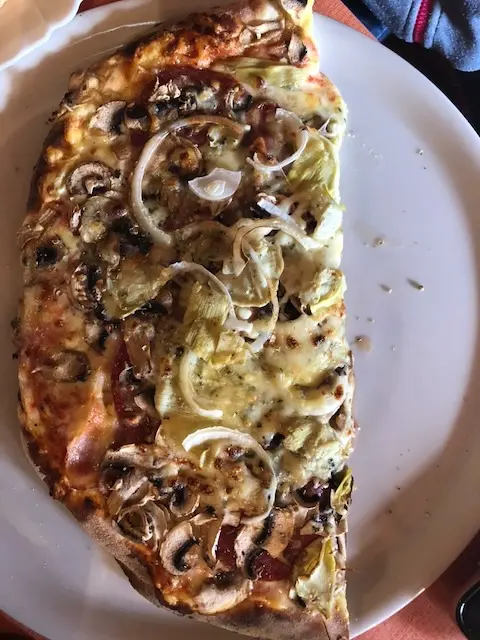
Croatia’s forests welcome foragers of all experience levels
Final Thoughts
Mushroom hunting in Croatia is more than an activity. It’s a window into the soul of a country that still keeps a deep, respectful relationship with the natural world. In an age of supermarkets and same-day delivery, the simple act of walking into a forest and finding your own food feels almost revolutionary.
And if you are lucky enough to find a perfect porcini on a misty autumn morning, slice it thickly, fry it in butter with garlic and eat it on crusty bread while it is still hot. That, more than any restaurant meal, is the true taste of Croatia.
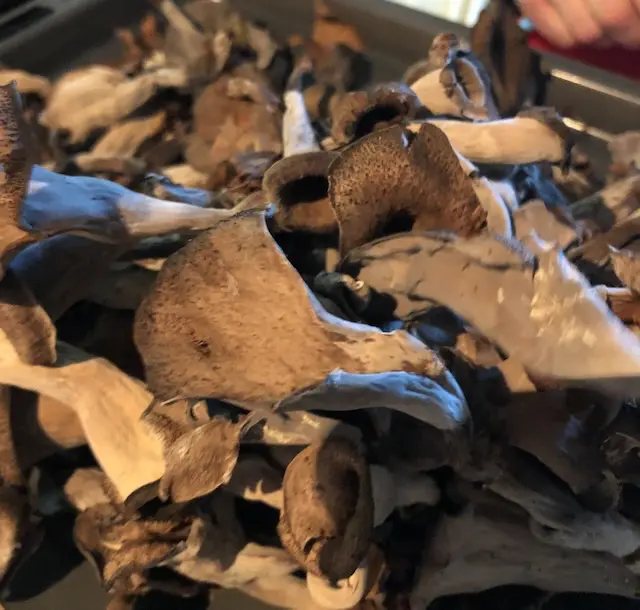
The forest gives freely to those who know where to look
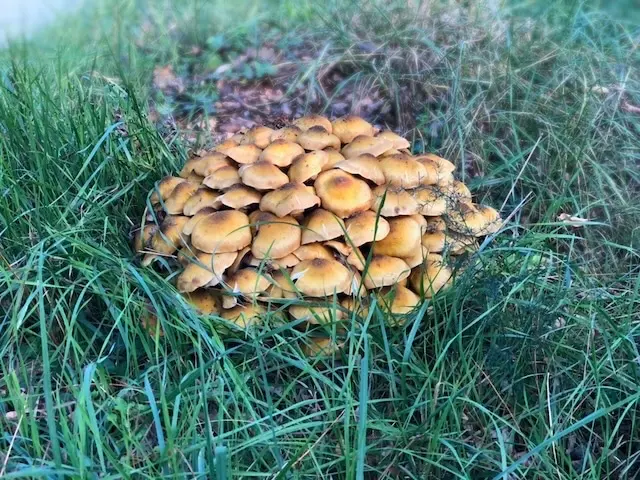
Every basket tells a story of patience, knowledge and respect for nature
Frequently Asked Questions
Q: Do I need a permit to go mushroom hunting in Croatia?
A: For personal use (up to 2 kg per day), no permit is required in most public forests. Commercial foraging and selling wild mushrooms requires certification. Always check local regulations, especially in national parks.
Q: When is the best time for mushroom hunting in Croatia?
A: Peak season is late September through early November, depending on rainfall and temperature. Spring morel season runs April through May. The season varies by region and altitude.
Q: Is it safe to eat wild mushrooms?
A: Only if you can identify them with 100% certainty. Croatia has several deadly toxic species. Never eat a mushroom you cannot positively identify. Go with experienced foragers or join a mycological society to learn safely.
Q: What should I bring on a mushroom hunt?
A: A woven basket, a sharp knife, a field guide, waterproof boots, long pants, layers of clothing, water, snacks and a phone with GPS. A walking stick is also useful.
Q: Can I bring wild mushrooms back to my home country?
A: Regulations vary. EU citizens can generally transport small quantities for personal use within the EU. Check your home country’s regulations regarding import of wild fungi. Drying mushrooms before travel is often the safest option.
Q: Where are the best places for mushroom hunting in Croatia?
A: Istria (especially the Motovun Forest area), Gorski Kotar, Lika and the forests of Slavonia are all excellent. Each region has its own species mix and season.
Q: Are there guided mushroom hunting tours in Croatia?
A: Yes, particularly in Istria. Several local companies and individual experts offer guided foraging experiences, often combined with truffle hunting. This is highly recommended for beginners.
Would you like to support my work? If you enjoy this content, you can support me at Patreon.com/Photographbyjohn. Your support helps me continue creating free guides and articles about life in Croatia.
Contact me!