
Price Hikes in Croatia: Government Response
Croatia's euro adoption led to significant price increases. Government measures aim to mitigate these rises, but the consequences for citizens remain worrisome.
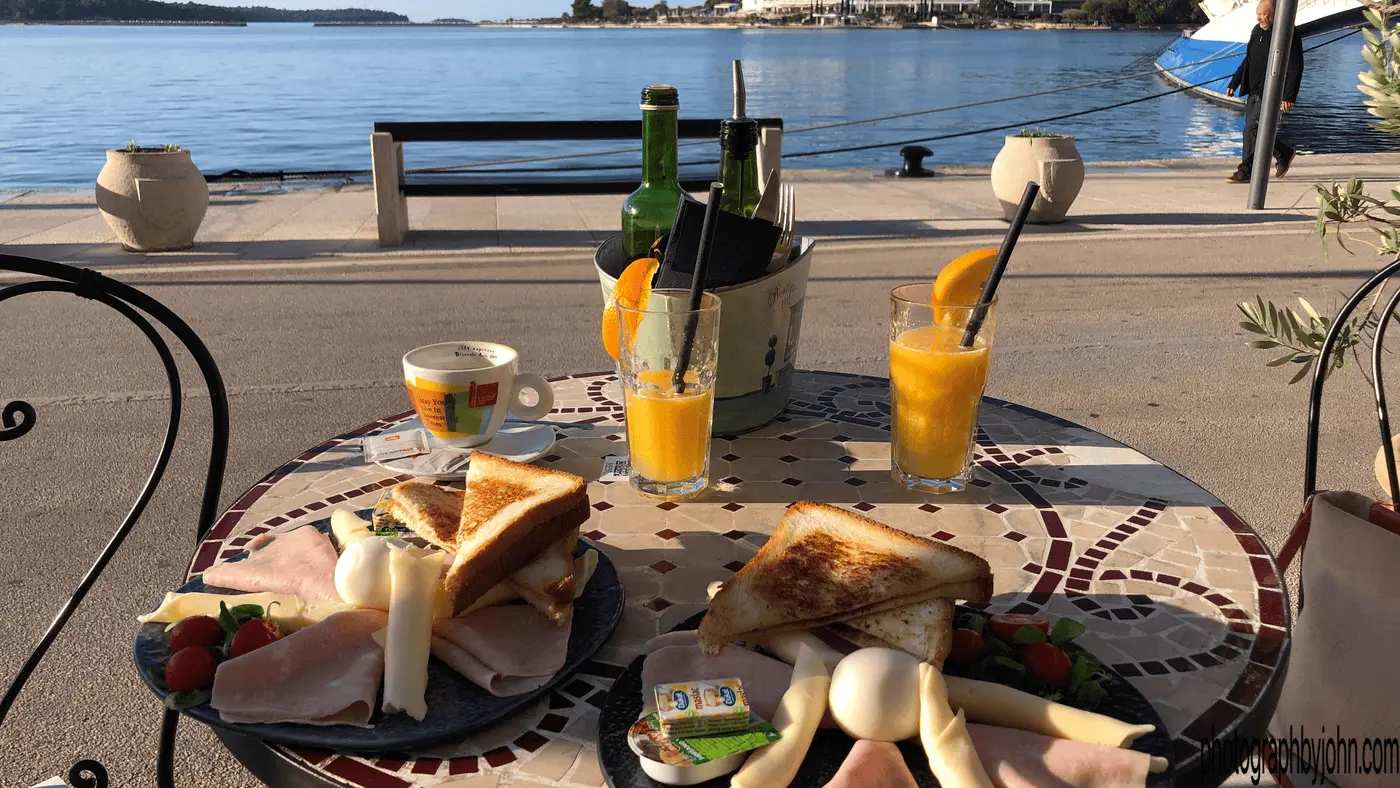
November 3, 2023 · 2 min read
Price Hikes in Croatia: Government Response
Introduction
On January 1, 2023, Croatia switched to the euro and joined the eurozone. Prices moved up almost immediately after.
Main Section
The Croatian Bureau of Statistics puts the average rise at about 3% in the first month after the euro came in. You feel it most in food, energy and transport.
Local products are getting harder to find, pushed aside by Western European goods. Camping prices jumped by as much as 70%. A wedge of brie that cost €2.85 went to €4.50, and plenty of other products simply doubled.
Additional Information
Rising prices are also thinning out the range of local products on the shelves.
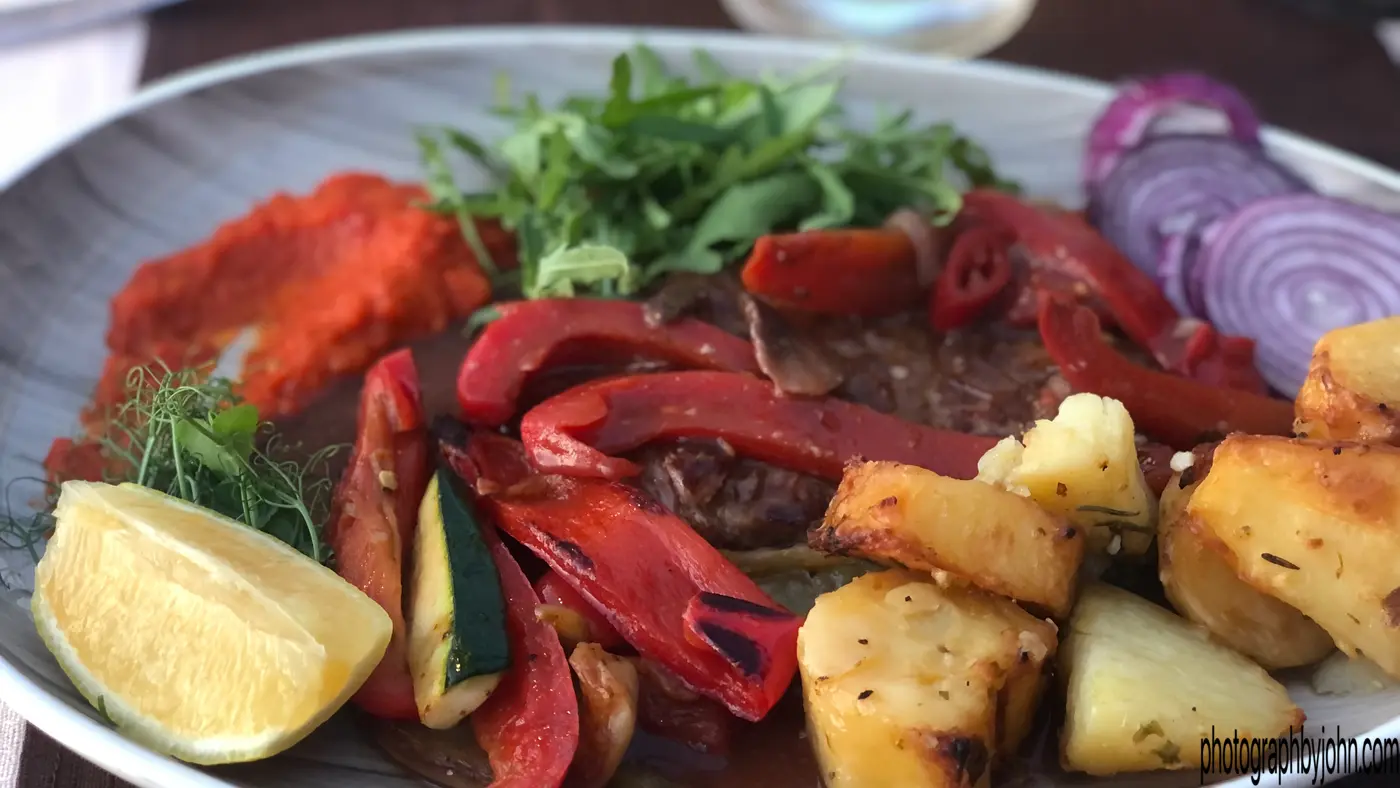
Camping price hikes may deter tourists from visiting Croatia.

High reservation costs can limit access to campsites for families and budget travelers.
With prices doubled, purchasing power is shrinking for ordinary Croatians.
Explanation
What worries people most is what could follow:
- Less purchasing power for Croatian households.
- More people slipping into poverty.
- Fewer local products on the shelves.
- Tourists choosing other countries.
Government Measures
The government has pushed back, regulating fuel prices and capping the cost of more than 40 essential groceries.
Conclusion
The situation is troubling, and even with the government stepping in, the effects on daily life are still being felt.
Recommendations
A few things consumers can do:
- Buy local where possible.
- Cut back where you can.
- Look for cheaper alternatives.
Q&A
Q: How has the euro adoption affected prices in Croatia?
A: The euro switch pushed prices up sharply, especially food, energy and transport, and many items have doubled in cost.
Q: What measures has the Croatian government implemented to address the price increases?
A: The government capped fuel and diesel prices and brought the cost of more than 40 staples down to help control inflation.
Q: How can consumers deal with the rising prices?
A: Buy local, cut back where you can and look for cheaper alternatives to ride out the rises.
Would You Like to Support Me?
❤️❤️❤️ Would You Like to Support Me? ❤️❤️❤️ If you enjoy this content and would like to support my efforts in creating more free prompts and articles, you can do so at Patreon.com. Your support is greatly appreciated and will enable me to continue providing free content. Thank you!
Contact me!