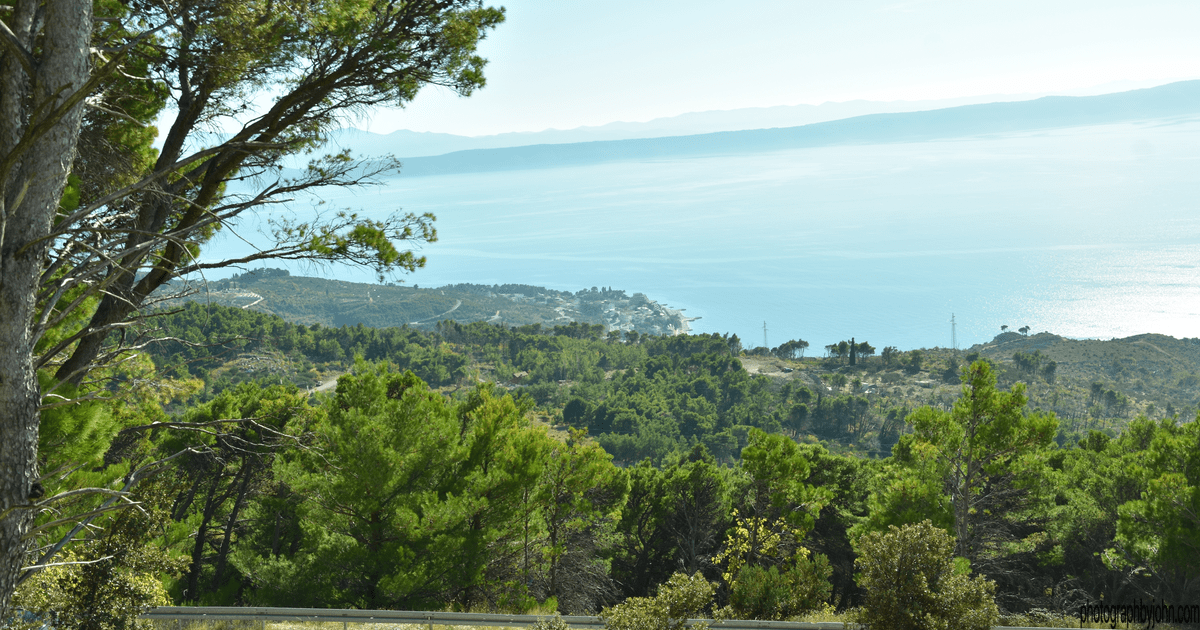
I remember my first time photographing from a sailing yacht in Croatian waters—we’d departed Split’s harbor at dawn, the city still sleeping behind us, and as we rounded Marjan Hill into the open Adriatic, the entire island of Brač materialized in golden morning light across impossibly blue water. Standing on deck, camera ready, feeling the boat heel under fresh breeze, I understood that maritime photography would become one of my deepest photographic pursuits along this spectacular coastline.
Croatia’s relationship with the sea runs centuries deep. From ancient maritime republics like Dubrovnik competing with Venice for Adriatic trade dominance, to modern yacht charter capital status attracting luxury vessels from worldwide, the Croatian coast lives and breathes maritime culture. For photographers, this translates into endless opportunities—gleaming superyachts moored in historic harbors, traditional wooden fishing boats at dawn, racing sailboats heeling dramatically under full canvas, and intimate moments of life aboard vessels exploring one of Europe’s most beautiful coastlines.
This comprehensive guide shares everything I’ve learned about photographing sailing, yachts, and maritime scenes along Croatia’s Adriatic coast. Whether you’re shooting from land capturing harbor scenes, photographing from boats during sailing adventures, documenting luxury yacht culture, or telling authentic stories about Croatian maritime heritage, you’ll find detailed technical guidance, location recommendations, timing strategies, and creative approaches refined through years of Adriatic maritime photography.
Croatia offers photographers unique advantages for maritime work: over 1,000 islands creating constantly varied coastal scenery, historic harbors combining centuries-old architecture with modern yachting, transparent blue-green Adriatic water that photographs spectacularly, and a yachting season (April-October) with reliable Mediterranean weather and abundant maritime activity.
Let’s explore how to capture the beauty, adventure, and culture of Croatia’s maritime world.
Understanding Croatian Maritime Photography: Locations, Culture, and Opportunities
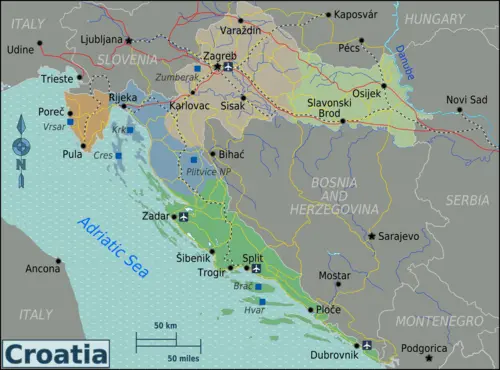
Croatia’s Adriatic coast divides into several distinct maritime photography regions, each offering unique character and opportunities.
Dalmatia (Split south to Dubrovnik) represents Croatian yachting’s premier destination—historic walled cities like Dubrovnik, Korčula, and Trogir providing dramatic harbor backdrops, islands like Hvar, Brač, and Vis attracting luxury yachts, and numerous marinas accommodating vessels from modest sailboats to 100-meter superyachts. Dalmatia offers the classic Croatian maritime aesthetic: white limestone towns, brilliant blue Adriatic, and gleaming yachts.
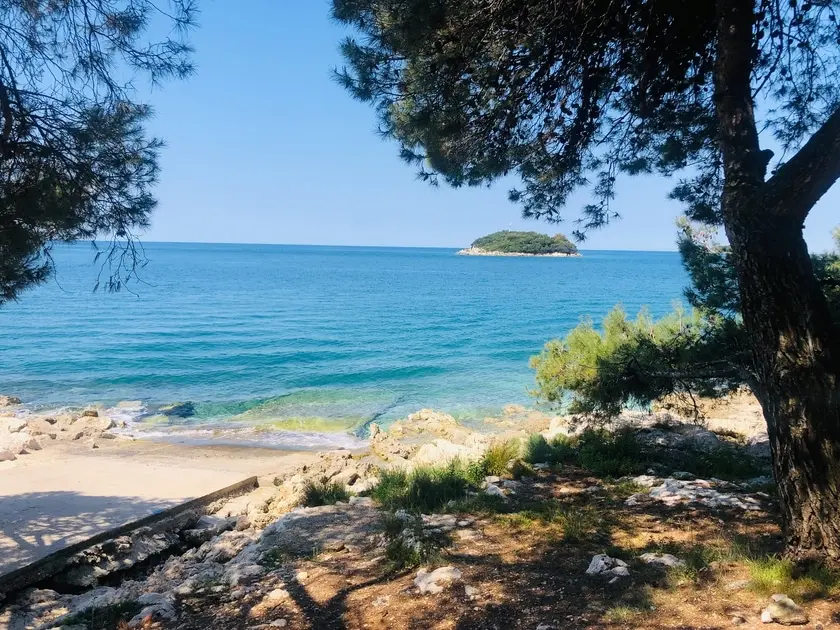
Istria (Pula, Rovinj, Poreč) provides more intimate maritime photography—colorful Venetian-influenced harbors, working fishing boats alongside recreational yachts, and authentic coastal village atmospheres. Istria’s maritime culture feels less purely touristic than peak-season Hvar, offering documentary opportunities showing real coastal life.
Kvarner Bay (Rijeka, Opatija, Krk Island) represents different maritime heritage—Austro-Hungarian elegance, working commercial ports, and ferry connections to islands. Less photographed than Dalmatia but offering distinctive perspectives.
The Islands and Archipelagos (Kornati, Elafiti, Pakleni) create wilderness maritime settings—remote anchorages, pristine bays, dramatic karst landscapes rising from turquoise water, accessible primarily by boat.
Maritime Photography Seasons
Summer (June-August) sees peak yachting activity—maximum luxury yacht presence (especially Hvar, Dubrovnik), all marinas operating full services, sailing regattas and events, longest days (sunset after 8:30 PM), but maximum crowds, highest prices, and harsh midday light.
Shoulder Season (May, September-October) offers ideal photography conditions—beautiful light quality, fewer tourists, moderate temperatures, still-substantial yachting activity, lower charter costs, but fewer superyachts than peak summer.
Spring (April-May) brings fresh sailing energy—regattas beginning, yachts arriving for season, dramatic spring weather creating interesting skies, wildflowers on islands, but some services still closed and water temperatures cold.
Autumn (September-October) provides warm water, beautiful low-angle light, autumn colors on coastal vegetation, and the season’s best weather stability.
Winter (November-March) sees minimal tourist yachting but authentic local maritime life—fishing boats, local sailors, commercial vessels, dramatic winter light and storms, though most facilities close and conditions can be challenging.
Camera Settings and Technical Approaches for Maritime Photography
Harbor and Marina Photography
Photographing stationary yachts in marinas requires different techniques than action sailing photography.
Optimal Settings:
- Aperture Priority mode, f/8 to f/11
- ISO 100-200 for clean images
- Polarizing filter (essential for yacht photography)
- Golden hour or blue hour timing
- Tripod for dawn/dusk work
Key Techniques:
Reflections: Calm morning or evening water creates mirror-image reflections of yachts—spectacular when properly exposed. Shoot when harbors are protected and calm.
Context and Background: Include Croatian architectural elements—medieval walls, colorful towns, coastal mountains—to establish location and create more interesting compositions than isolated yacht portraits.
Detail Photography: Luxury yacht details communicate quality and lifestyle—polished teak decks, gleaming hardware, tender boats, yacht toys, and deck furniture.
Sailing Action Photography
Photographing boats under sail demands fast shutter speeds and anticipation.
Settings:
- Shutter Priority or Manual mode
- 1/500s to 1/1000s shutter speed minimum
- f/5.6 to f/8 aperture
- ISO 400-800 (higher if needed for speed)
- Continuous AF with tracking
- Burst mode (6-10 fps)
Techniques:
Anticipate Action: Photograph when boats heel dramatically, when spray flies from bows, when colorful spinnakers deploy, or when boats round marks during races.
Panning: Track moving boats with your camera while using slower shutter speeds (1/60s to 1/250s) to create motion blur in background while keeping boat sharp.
Telephoto Compression: Use 70-200mm or longer to compress perspective, bringing Croatian coastal mountains or islands ‘closer’ to sailing yachts in compositions.
Photographing from Boats
Shooting while you’re on a moving vessel creates unique challenges.
Settings:
- Very fast shutter speeds (1/1000s+) to compensate for boat movement
- Image stabilization enabled
- Burst mode to increase sharp-frame odds
- ISO 400-1600 even in bright light
Practical Tips:
- Brace yourself against solid parts of boat
- Shoot between wave motions
- Protect gear from saltwater spray
- Use wide-angles for immersive deck perspectives
- Include boat elements (rigging, rails, sails) in foreground
Croatian Harbors and Marinas: Photography Locations
Hvar Town: Luxury Yachting Capital
Hvar Town harbor represents Croatian yachting at peak glamour—superyachts, Venetian architecture, and vibrant waterfront nightlife.
Photography Strategy:
- Early morning (6:00-7:00 AM) before yacht passengers wake
- Evening (8:00-10:00 PM) when harbor comes alive
- Shoot from Fortica fortress for elevated perspectives
- Blue hour for illuminated yachts
Dubrovnik Old Port: Medieval Maritime Drama
Ancient fortifications rising from harbor where yachts moor—Croatia’s most dramatic yacht photography setting.
Best Angles:
- City Walls provide elevated harbor views
- Harbor-level from breakwaters at sunset
- Include Lovrijenac Fortress in compositions
- Early morning for empty harbor
Rovinj: Authentic Istrian Harbor
Colorful fishing boats and yachts against Venetian houses and St. Euphemia’s bell tower.
Photography:
- Sunset from waterfront promenade (iconic view)
- Early morning fishermen and authentic activity
- Harbor faces west—spectacular evening light
- Mix working boats with recreational yachts
Post-Processing Maritime Photography
My typical workflow for yacht and sailing images:
Basic Adjustments:
- Enhance Adriatic blue-green water colors
- Boost vibrance for yacht flags and details
- Darken skies slightly to emphasize boat subjects
- Lift shadows in harbors without losing mood
Color Grading:
- Enhance blues (Adriatic signature color)
- Warm tones in golden hour yacht photography
- Cyan-blue split toning for evening harbor scenes
Sharpening:
- Significant sharpening for yacht details
- Moderate sharpening for sailing action
Black and White:
- Maritime photography converts beautifully to monochrome
- Emphasizes form, texture, weather, and mood
- Works particularly well for sailing action and dramatic weather
Final Thoughts: Croatia’s Maritime Photographic Richness
After years photographing yachts, sailing, and maritime culture along Croatia’s Adriatic coast, I remain captivated by the endless variety and beauty this coastline offers maritime photographers. From luxury superyacht glamour in Hvar to authentic fishing boat culture in Istrian villages, from dramatic sailing action during regattas to peaceful dawn harbors empty and still, Croatia’s maritime world provides photographic opportunities rivaling anywhere globally.
The technical challenges—managing harsh Mediterranean light, protecting gear from saltwater, capturing action from moving boats—are all manageable with proper techniques and equipment. The rewards—stunning images of one of the world’s most beautiful coastlines, authentic documentation of deep maritime culture, adventure and exploration aboard beautiful vessels—make maritime photography along Croatia’s Adriatic coast endlessly rewarding.
Whether you’re photographing from land capturing harbor scenes, joining sailing adventures to shoot from deck, documenting luxury yacht culture, or telling deeper stories about Croatia’s relationship with the sea, this magnificent coastline welcomes and inspires maritime photographers.
Key Takeaways: Croatian Maritime Photography Guide
- Best Locations: Hvar (luxury yachts), Dubrovnik (historic harbor), Rovinj (authentic atmosphere), Split marinas
- Optimal Timing: Golden hour and blue hour for harbors, morning for sailing action
- Essential Gear: Telephoto zoom (70-200mm), wide-angle, polarizing filter, waterproof protection
- Best Season: May or September-October for ideal light and manageable crowds
- Action Settings: 1/500s+ shutter speed, continuous AF, burst mode
- Harbor Settings: f/8-f/11, tripod, polarizer, dawn/dusk timing
💙 Support My Photography Work If this guide helps you capture beautiful maritime imagery along Croatia’s Adriatic coast, please consider supporting my work on Patreon. Your support enables me to continue creating detailed photography guides and exploring Croatia’s maritime beauty. Thank you! 🙏📸
Explore More Croatian Photography Guides:
- Croatia Photography Complete Guide - Ultimate regional overview
- Sailing the Adriatic Guide - Complete sailing photography guide
- Dubrovnik Photography - Historic harbor and city photography
- Rovinj Photography - Istrian coastal town guide