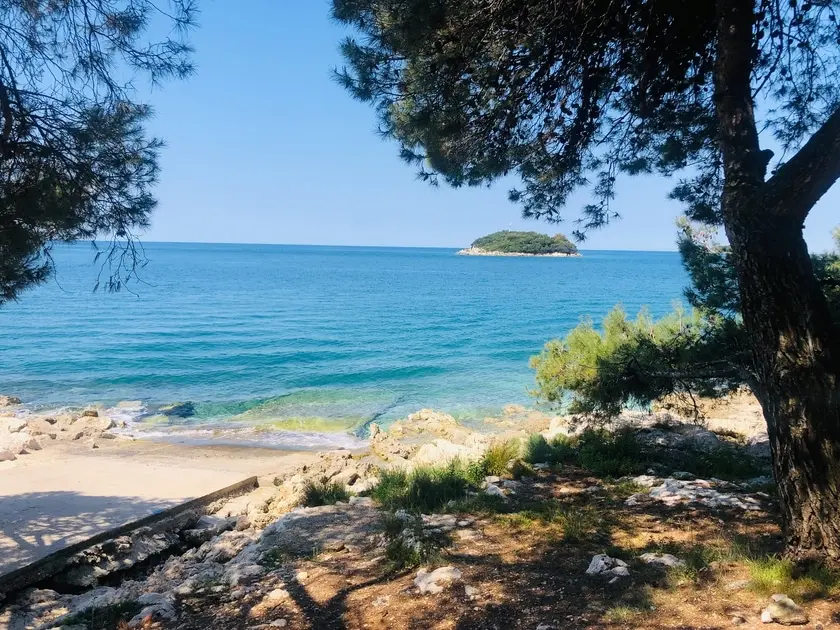
Sailing Croatia Photography Guide: Adriatic Yacht and Boat Photography
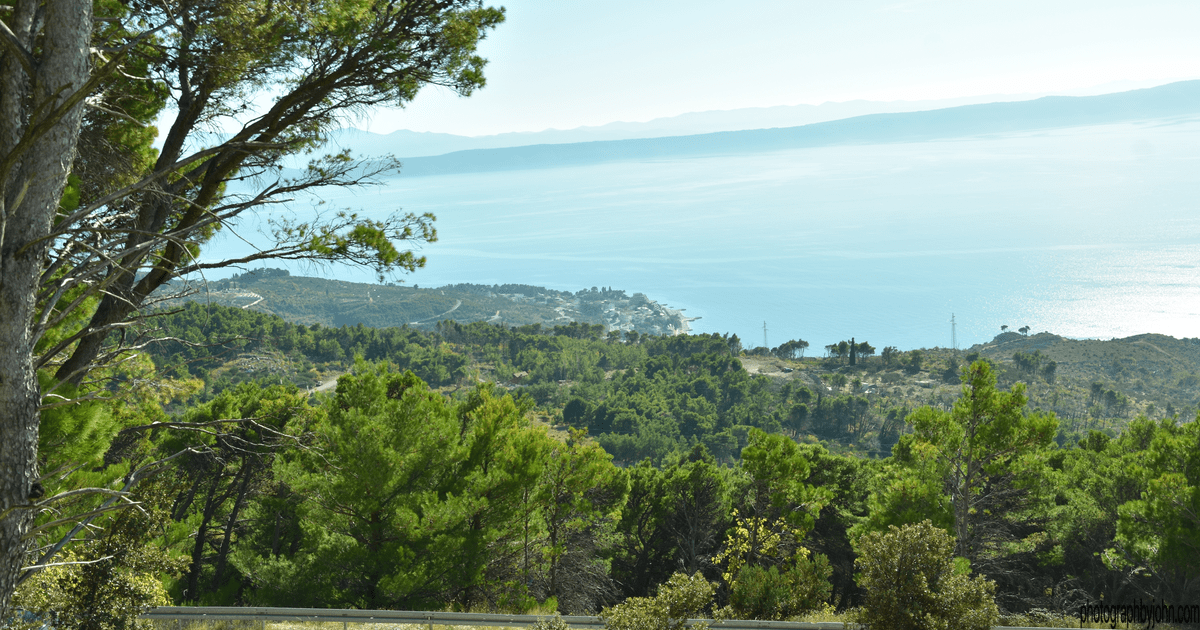
The first time I photographed from a sailing yacht in the Kornati archipelago, I understood why maritime photography is so uniquely challenging and rewarding. As our yacht ghosted through glassy water at dawn, 89 limestone islands emerged from morning mist like ancient sentinels. The boat rocked gently even in calm conditions, forcing me to shoot at 1/1000s to freeze the moment - a spectacular sunrise illuminating vertical cliffs dropping into impossible shades of turquoise. Then the wind picked up, spray started hitting my lens, and I quickly learned that sailing photography demands different techniques than any land-based shooting.
As a photographer who’s lived in Croatia since 2020, I’ve spent countless days photographing from sailboats, yachts, and small boats exploring the Adriatic coast. From week-long sailing trips through the Dalmatian islands to day charters photographing Hvar’s Pakleni Islands, I’ve developed techniques for capturing Croatia’s maritime beauty from the unique perspective of the water - where the constant motion, salt spray, harsh reflections, and unpredictable conditions create both extraordinary opportunities and significant challenges.
This comprehensive guide shares everything I’ve learned about sailing photography in Croatia, from camera settings that work on rocking boats to protecting expensive gear from saltwater spray. Whether you’re joining a yacht charter and want better photos than typical tourist snapshots, planning a dedicated sailing photography trip, or simply curious about photographing from boats, you’ll discover practical techniques born from extensive time on the Adriatic.
You’ll learn:
- Camera settings and techniques for photographing from moving sailboats
- How to protect camera gear from saltwater spray and maritime conditions
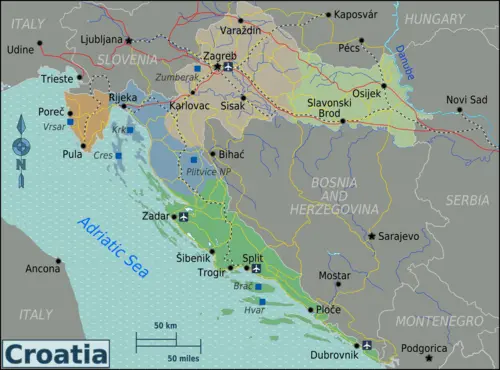
- Best sailing photography locations in Croatia’s islands and archipelagos
- Yacht and boat photography composition techniques
- Sunrise and sunset photography from anchored or sailing vessels
- Practical tips for island-hopping photography trips
- Equipment recommendations for different sailing photography scenarios
Table of Contents
- Understanding Maritime Photography Challenges
- Camera Settings for Shooting from Boats
- Protecting Gear from Saltwater and Spray
- Best Sailing Photography Locations in Croatia
- Photographing Yachts and Sailboats
- Sunrise and Sunset Photography at Sea
- Island-Hopping Photography Opportunities
- Equipment and Gear for Sailing Photography
- Practical Sailing Photography Tips
Understanding Maritime Photography Challenges
Photographing from sailboats presents unique challenges that land photographers rarely encounter.
Constant Motion Even on calm days, boats rock, pitch, and roll continuously:
- At anchor: Gentle rocking from waves and wind
- Under sail: More pronounced motion, especially when heeling (leaning)
- In waves: Significant vertical and horizontal movement
- Impact on photography: Traditional camera shake rules don’t apply - you need much faster shutter speeds
Saltwater Spray The Adriatic’s saltwater is camera equipment’s enemy:
- Bow spray: Sailing into wind or waves creates spray
- Splash: Waves hitting hull splash onto deck
- Fine mist: Barely visible but coating everything
- Damage: Salt residue damages lens coatings, corrodes electronics, clouds optics
Harsh Maritime Light The open sea creates challenging lighting:
- Intense reflections: Water reflects sunlight like a giant mirror
- High contrast: Bright water and sky, dark boat shadows
- Glare: Difficult to see LCD screens in bright conditions
- Polarization needed: Essential for managing reflections and enhancing water color
Limited Space Boats restrict movement and gear access:
- Tight spaces: Changing lenses on rocking boat is challenging
- Gear storage: Limited dry, accessible storage
- Safety: Can’t always move to ideal shooting position
- Stability: Few stable platforms for tripods
Unpredictable Conditions Maritime weather changes rapidly:
- Wind shifts: Calm to choppy in minutes
- Unexpected spray: Sudden wave catches you off-guard
- Sun/clouds: Light changes quickly
- Safety priority: Photography secondary to sailing safety
Understanding these challenges helps you prepare and adapt techniques.
Camera Settings for Shooting from Boats
Your camera settings must account for constant motion and challenging maritime light.
Essential Settings for Sailing Photography
Shutter Speed: The Critical Factor
- Minimum: 1/500s for any shooting from moving boat
- Recommended: 1/1000s to 1/2000s for sharp results
- Why so fast: You’re compensating for two motions - boat movement AND camera shake
- Exception: Anchored in very calm conditions allows 1/250s
Aperture: Balancing Sharpness and Speed
- Recommended range: f/5.6 to f/8
- Rationale: Provides good depth of field while allowing faster shutter speeds
- Wider apertures (f/2.8-f/4): Use when light is limited, accept shallower depth
- Narrower apertures (f/11-f/16): Possible in bright midday with ISO increase
ISO: Don’t Be Afraid to Raise It
- Typical range: ISO 400-1600 for sunny sailing conditions
- Why higher than expected: To maintain 1/1000s+ shutter speed
- Auto ISO: Set to 200-3200 range - camera adjusts for varying light
- Modern cameras: Handle ISO 1600-3200 remarkably well
- Noise vs. blur: Better slightly noisy sharp image than blurred low-ISO shot
Focus Mode
- Continuous AF (AI Servo/AF-C): Essential for tracking approaching islands, other boats
- Single-point AF: For static subjects when anchored
- Back-button focus: Helpful for quickly switching between focus modes
Shooting Mode
- Continuous/Burst mode: Capture multiple frames, choose sharpest later
- Essential: Boat motion means not every frame will be sharp
Image Stabilization
- Always ON: Critical for maritime shooting
- Lens IS/VR: Use when available
- In-body stabilization: Enable on mirrorless cameras
- Not a substitute: Still need fast shutter speeds
File Format
- RAW: Essential for maritime photography
- Why: Extreme dynamic range (bright water, dark boat shadows), tricky white balance, ability to recover highlights/shadows
- Downside: Larger files, limited storage
Scenario-Specific Settings
Approaching Islands (Morning/Evening)
- Shutter: 1/1000s
- Aperture: f/8
- ISO: 400-800
- Focus: Continuous AF on island
Yacht Photography (Another Boat)
- Shutter: 1/1000s to 1/2000s
- Aperture: f/5.6 to f/8
- ISO: 400-1600
- Focus: Continuous AF tracking boat
- Lens: 70-200mm telephoto
Sunset from Anchored Boat (Calm)
- Shutter: 1/125s to 1/250s (can be slower if very stable)
- Aperture: f/8 to f/11
- ISO: 200-800 as light fades
- Bracketing: ±2 stops for HDR
- Tripod: If possible, or brace firmly
Sailing Action (Crew, Sails)
- Shutter: 1/1000s+
- Aperture: f/5.6 to f/8
- ISO: 800-1600
- Focus: Continuous AF
- Lens: Wide-angle (16-35mm) for onboard shots
Protecting Gear from Saltwater and Spray
Saltwater damage is the biggest threat to camera equipment on boats. Prevention is essential.
Protection Strategies
Waterproof Dry Bag
- Primary protection: Store all gear in sealed dry bag when not actively shooting
- Size: 20-30L bag fits camera body, 2-3 lenses, accessories
- Brands: Sea to Summit, Pelican, Aquapac
- Usage: Open only when ready to shoot, close immediately after
- Location: Below deck in cabin, not on deck where waves can reach
UV Filters on All Lenses
- First line of defense: Saltwater spray hits UV filter, not expensive lens element
- Easy to clean: Wipe filter frequently
- Replaceable: Better to replace damaged $30 filter than $1000 lens element
- Always: Even on lenses you normally shoot without filters
Lens Cloths and Cleaning
- Always accessible: Keep microfiber cloth in pocket
- Immediate cleaning: Wipe spray off immediately before salt dries
- Multiple cloths: One gets damp, switch to dry one
- Fresh water rinse: End of day, dampen cloth with fresh water, gently wipe gear to remove salt residue
Waterproof Camera Covers
- For active shooting in spray: Allows shooting while protecting body/lens
- Options: Rain covers, underwater housings (for close to water), waterproof bags with lens port
- Compromise: Reduces handling ease but protects gear
- When to use: Sailing into wind, rough conditions, bow photography
Avoid Spray Zones
- Bow (front): Gets most spray - avoid unless specifically needed
- Windward side: Side wind is coming from - more spray
- Leeward side: Downwind side - less spray, safer for photography
- Cockpit: Usually protected, best for casual shooting
- Position smartly: Choose shooting location considering wind/waves
Below Deck Storage
- Dry location: Store gear in cabin, not deck
- Silica gel packets: Combat humidity in enclosed spaces
- Ventilation: Allow gear to air out
- Organization: Keep everything in dry bag even below deck
End-of-Day Maintenance
- Fresh water wipe: Gently wipe all gear with slightly damp (fresh water) cloth
- Salt residue removal: Critical - salt left on gear damages coatings
- Dry thoroughly: Air dry before storing
- Check connections: Lens mounts, battery compartment for salt intrusion
Insurance
- Verify coverage: Check if your camera insurance covers marine/water damage
- Rider if needed: Add marine coverage if not included
- Worth it: Saltwater damage can total equipment
What NOT to Do
- Leave gear on deck unattended: One wave sweeps it overboard
- Shoot from bow without protection: Guaranteed salt spray coating
- Use gear without UV filter: Risks expensive lens element damage
- Store gear in deck lockers: Not waterproof enough
- Ignore salt residue: Accumulates and causes progressive damage
Best Sailing Photography Locations in Croatia
Croatia’s islands and archipelagos offer exceptional sailing photography, but some locations stand out.
Kornati National Park
Why Exceptional: 89 islands, islets, and reefs creating a unique nautical landscape. Dramatic limestone cliffs dropping vertically into crystal-clear water. Minimal development (islands are protected, largely uninhabited). This is Croatia’s premier sailing photography destination.
Access: Only by private boat. National park entry fee required (daily ticket for vessel, per person).
Photography Opportunities:
- Dramatic cliff formations (some cliffs drop 80m vertically from water)
- Aerial-like perspectives from boat showing island patterns
- Secluded anchorages with turquoise water
- Sunset behind uninhabited islands
- Starry skies (minimal light pollution)
Best Anchorages for Photography:
- Levrnaka: Protected bay, dramatic cliffs
- Ravni Žakan: Small islands, shallow turquoise water
- Mana: Island with restaurant (one of few on Kornati), sunset views
Camera Approach:
- Telephoto (70-200mm): Compress island layers, distant formations
- Wide-angle (16-35mm): Seascapes from deck showing multiple islands
- Polarizing filter: Essential for enhancing water clarity and color
- Midday: Overhead sun creates most vivid turquoise (counterintuitive but true for this location)
Timing: June or September (fewer boats than July-August, still good weather)
Logistics: Base in Murter, Šibenik, or Zadar. Day trips possible, but overnight sailing allows sunrise/sunset photography.
Pakleni Islands (Hvar)
Why Exceptional: Archipelago of ~20 islands just off Hvar creating protected, turquoise bays. Popular sailing destination but extremely photogenic. Pine forests meeting crystalline water.
Access: Easy from Hvar Town (15-30 minute sail) or included in longer sailing routes.
Photography Opportunities:
- Turquoise bay photography (Palmižana, Vlaka, Vinogradišće)
- Yacht photography with islands and Hvar backdrop
- Sunset over islands from east-facing Hvar coast
- Underwater photography (exceptionally clear water)
- Beach and coastal scenes
Best Locations:
- Palmižana Bay: Most popular, restaurant/beach bar, turquoise water, boats at anchor
- Vinogradišće Bay: Quieter, dramatic cliffs, pebble beach
- Mlini Bay: Small, secluded, excellent snorkeling
Camera Approach:
- Photograph from yacht at anchor looking toward beach/bay
- Polarizing filter critical
- Wide-angle for bay overview
- Telephoto for isolating yachts against island backdrop
- Drone photography spectacular (if experienced and legal)
Timing: Early morning (before day-trip boats arrive) or evening. Avoid midday crowding July-August.
Vis Island and Blue Cave
Why Exceptional: Croatia’s most remote inhabited island. Military history (closed to foreigners until 1989) preserved pristine nature. Blue Cave (Biševo) nearby offers unique photography.
Access: Longer sail from Split (2.5 hours by ferry, similar sailing time). Blue Cave by organized tour only.
Photography Opportunities:
- Approaching Vis from sea (dramatic coastal cliffs)
- Stiniva Cove (hidden beach with 100m cliff amphitheater - approach from sea spectacular)
- Vis Town and Komiža harbors (traditional fishing villages)
- Military tunnel photography (Cold War sites)
- Blue Cave (challenging but magical photography)
Camera Approach:
- Stiniva: Photograph from boat before anchoring (unique perspective)
- Blue Cave: Waterproof camera essential, ISO 3200-6400, fast shutter (1/500s+), exposing for the blue glow
- Coastal cliffs: Telephoto compression, dramatic vertical scale
- Villages: Wide-angle harbor scenes, nautical atmosphere
Elafiti Islands (Dubrovnik)
Why Exceptional: Peaceful sailing near Dubrovnik. Three main islands (Koločep, Lopud, Šipan) with sandy beaches (rare in Croatia), pine forests, traditional atmosphere.
Access: Easy day trips from Dubrovnik or included in week-long sailing itineraries.
Photography Opportunities:
- Sandy beaches on Lopud (Šunj Bay - almost Caribbean appearance)
- Šipan’s traditional fishing villages and agricultural landscape
- Elafiti sunset photography with Dubrovnik mountains backdrop
- Quiet anchorages away from crowds
Camera Approach:
- Beach photography emphasizing sand (unusual for Croatia)
- Wide-angle bay scenes
- Village life and traditional boats
- Sunset silhouettes with mountain backdrop
Telašćica Bay (Dugi Otok)
Why Exceptional: Deep, protected bay on Dugi Otok with dramatic cliffs (Stene) on seaward side. Nature park status preserves pristine conditions.
Access: Sailing from Zadar or included in Kornati area trips.
Photography Opportunities:
- Stene cliffs (100m+ vertical drops to sea)
- Mir saltwater lake (separated from sea by narrow strip)
- Protected anchorage photography
- Donkey population on island (unique subjects)
Camera Approach:
- Photograph cliffs from seaward side (requires sailing outside bay)
- Aerial perspective of bay from cliff tops (requires dinghy to shore, hiking)
- Sunset over cliffs from anchored position in bay
Photographing Yachts and Sailboats
Boat-to-boat photography creates dynamic maritime images.
Yacht Photography Techniques
Positioning Your Boat
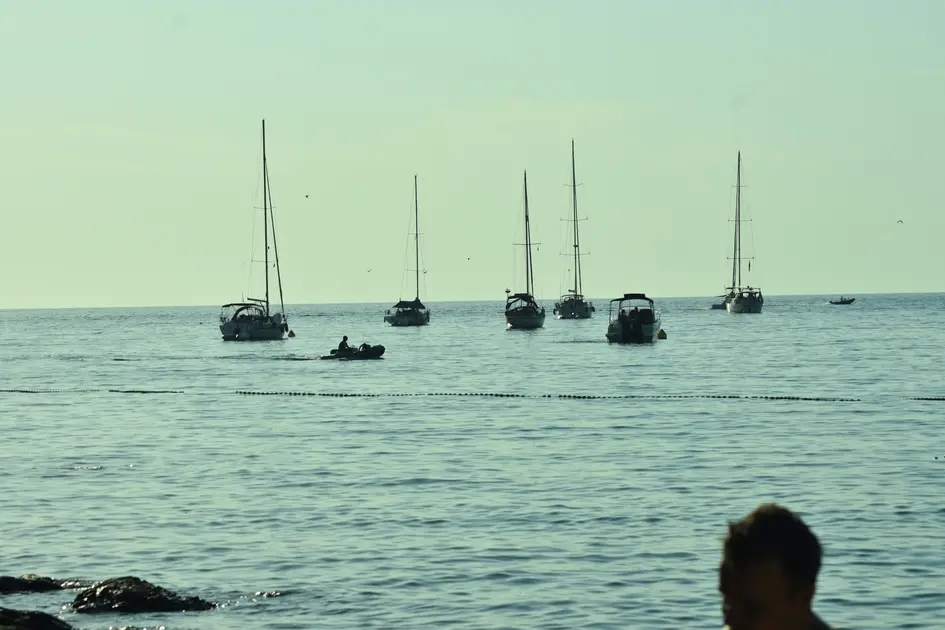
- Parallel sailing: Sail alongside subject yacht
- Slightly ahead: Allows capturing full sail profile as they approach
- Distance: 50-100 meters ideal (close enough for detail, far enough for context)
- Avoid: Head-on or directly astern (least dynamic angles)
Timing and Conditions
- Full sails: Photograph when sails are filled with wind (dramatic shapes)
- Heeling: Boats leaning into wind create dynamic angles
- Early morning/late afternoon: Low sun illuminates sails from side, creates depth
- Avoid: Midday overhead sun flattens sails
- Wind: 10-15 knots ideal (enough for full sails, not too rough)
Camera Settings
- Shutter: 1/1000s to 1/2000s (freeze motion of both boats)
- Aperture: f/5.6 to f/8
- ISO: Auto 400-1600
- Focus: Continuous AF tracking yacht
- Burst mode: Capture sequence, choose best sail shape
Lens Choice
- Telephoto (70-200mm): Primary lens for yacht photography
- Compression: Makes yacht appear closer to islands/coast
- Isolation: Separates yacht from busy background
- Framing: Fills frame with boat
Composition
- Rule of thirds: Position yacht off-center
- Context: Include islands, coastline, or open sea as background
- Negative space: Give yacht “room to sail” in frame direction
- Sails: Capture full sail shape, avoid cropping sail tops
- Wake: Include bow wake or stern wake for motion indication
- Silhouettes: Backlit sails at sunset create dramatic silhouettes
Onboard Sailing Photography
Photographing life and activity aboard creates authentic sailing documentation.
Deck Action
- Wide-angle (16-35mm): Shows context of work, surrounding sea
- Fast shutter (1/1000s+): Freeze crew movement on rocking boat
- Low angle: Shoot from deck level upward for drama
- Include: Sails, rigging, horizon in background
At the Helm
- Environmental portrait: Helmsman with boat, sea, islands
- Capture concentration, enjoyment, skill
- Side-light works better than backlight
- Include steering wheel, compass, instrumentation
Details
- Nautical details tell sailing story:
- Ropes and cleats
- Winches and hardware
- Navigation charts
- Compass
- Wake astern
- Use 50-100mm lens, f/2.8-f/4 for selective focus
Sunrise and Sunset Photography at Sea
Maritime sunrises and sunsets offer spectacular photography with unique challenges.
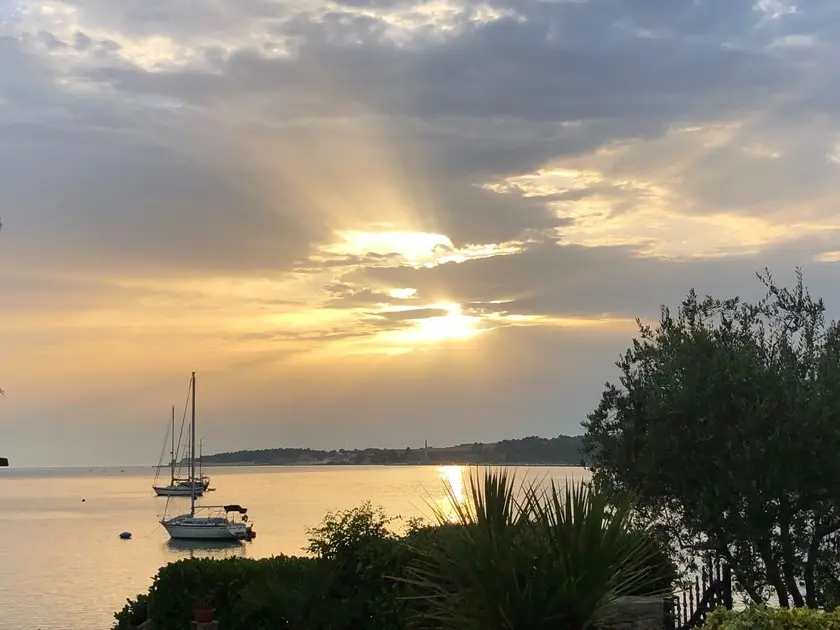
Sunset Photography from Anchored Yacht
Preparation
- Anchorage choice: West-facing bay for sunset over water
- Timing: Arrive 1-2 hours before sunset, settled and ready
- Clear decks: Remove clutter from shooting areas
- Composition scouting: Check angles while light is good
Dealing with Boat Motion Even at anchor, boats rock continuously:
- Bracing: Sit in cockpit, lean against mast, find stable position
- Faster shutter: 1/250s minimum (can’t use long exposures like on land)
- Tripod: Possible only in very calm conditions, generally not practical
- Burst mode: Shoot continuously, boat motion between frames
Camera Settings
- Aperture: f/8 to f/11
- Shutter: 1/125s to 1/250s (as slow as you can get sharp results)
- ISO: Increase as needed (400-1600) to maintain shutter speed
- Bracketing: ±2 stops for HDR (maritime sunsets have extreme range)
- White balance: Daylight or Cloudy for warm tones
Composition Elements
- Boat elements as foreground:
- Mast and rigging (strong verticals)
- Boom cutting across frame
- Railing or cockpit edge
- Other boats: Fellow yachts at anchor add interest
- Island silhouettes: Background shapes
- Reflections: If water calm enough
- Sky: Rule of thirds - position horizon on lower third
Timing
- Start shooting 30 minutes before actual sunset
- Peak colors often 10-20 minutes after sun dips below horizon
- Continue through blue hour
Challenges
- Swinging anchor: Boat slowly rotates, constantly changing composition
- Solution: Shoot continuously as boat swings, capture all angles
- Varying backgrounds: As boat rotates, background changes
- Advantage: Multiple compositions from one position!
Sunrise Photography
Morning light at sea offers different qualities than evening.
Advantages
- Calmer conditions: Morning usually calmer than afternoon
- Fewer boats: More likely to have anchorage to yourself
- Mist: Occasional morning mist adds atmosphere
- Light direction: East-facing coast illuminated
Challenges
- Early wake-up: Need to be ready before sunrise
- Cold: Early mornings at sea can be chilly, even summer
- Limited coffee: Boat galleys not as convenient as land!
Camera Approach
- Similar settings to sunset
- Shoot in RAW for white balance flexibility
- Morning light often cooler than evening - adjust in post if needed
Island-Hopping Photography Opportunities
Multi-day sailing trips create diverse photography opportunities.
Daily Photography Rhythm
Morning (Sunrise to 10 AM)
- Departure: Photographing leaving anchorage, raising sails
- Morning sail: Soft light on approaching islands
- Empty anchorages: Arrive at new location before crowds
Midday (10 AM to 3 PM)
- Swimming/snorkeling photography: Clear water, overhead sun
- Lunch at anchor: Onboard life, meals in cockpit
- Harsh light: Rest, prepare gear, swim
Afternoon (3 PM to Sunset)
- Sailing to next anchorage: Warm light developing
- Approaching islands: Golden hour light on coastline
- Anchoring for evening: Sunset preparation
Evening (Sunset to Dark)
- Sunset photography: Primary shooting time
- Blue hour: Illuminated boats, marina lights
- Night: Stars (if away from light pollution)
Specific Photography Opportunities
Approaching Islands
- Morning mist burning off islands
- Islands growing larger on horizon
- Anticipation of arrival
- Telephoto compression of island layers
Anchorages
- Turquoise water in protected bays
- Dramatic cliff amphitheaters
- Boats at anchor with island backdrop
- Swimming and snorkeling scenes
Island Villages from Water
- Different perspective than land-based shots
- Hvar Town from Pakleni Islands
- Korčula from sea approach
- Traditional waterfront architecture
Marina Life
- Evening activity
- Boats rafted together
- Crew socializing on decks
- Sunset drinks in cockpit
- Nautical details
Underwater
- Snorkeling photography (waterproof camera)
- Clear Adriatic waters
- Rocky bottom
- Fish and marine life
Wildlife
- Dolphins (occasionally)
- Seabirds
- Jellyfish (Adriatic has mostly harmless species)
- Falcons on cliff islands
Equipment and Gear for Sailing Photography
Recommended Camera Equipment
Camera Body
- Weather sealing: Beneficial for salt air, spray
- Good high-ISO performance: Essential for fast shutter speeds
- Responsive AF: Track moving subjects from moving boat
- Mirrorless or DSLR: Both work; mirrorless lighter for sailing
Essential Lenses
- Telephoto zoom (70-200mm f/4): Most important lens for sailing photography
- Photograph other boats
- Compress island views
- Capture distant coastlines
- F/4 version lighter than f/2.8 (easier on boat)
- Wide-angle (16-35mm f/4): Second priority
- Onboard shots showing deck, sails, seascape
- Sunset/sunrise compositions
- Marina scenes
Helpful But Not Essential
- Standard zoom (24-70mm f/2.8): Versatile general shooting
- Waterproof compact or action camera: Risky positions, underwater shots
Filters
- UV filter: On ALL lenses (spray protection)
- Circular polarizer: Essential for water photography, manages reflections, enhances blue
- Neutral density: For rare situations needing long exposure (usually not practical on boats)
Support and Protection
- Waterproof dry bag (20-30L): Primary gear protection
- Lens cloths (multiple): Constant spray wiping
- Small towel: Drying hands before handling gear
- Carabiners: Attach camera strap to boat (prevent dropping overboard)
- Silica gel packets: Combat humidity below deck
- Extra batteries: Limited charging at sea
- Multiple memory cards: Backup and capacity
Optional
- Waterproof camera cover: Active shooting in spray
- GoPro or action camera: Mounted shots, underwater, risky positions
- Drone: Aerial yacht shots (if experienced, legally compliant, insured)
- Tripod: Only if expecting very calm anchorages
What to Leave Home
- Heavy telephoto (>200mm): Too unwieldy on boat
- Large camera bag: Limited space, dry bag more practical
- Extensive lens collection: Bring 2-3 key lenses maximum
- Delicate vintage equipment: Salt air environment too risky
Practical Sailing Photography Tips
Before the Trip
- Research locations: Know where photogenic anchorages are
- Check weather: Wind, sea conditions affect photography opportunities
- Communicate with captain: Discuss photography interests, timing needs
- Test waterproofing: Ensure dry bag, covers are functional before trip
- Prepare settings: Have camera configured, know your settings cold
- Charge everything: Batteries, backup batteries, devices
- Memory cards: More than you think you’ll need
During Sailing
- Safety first: Never compromise boat safety for photo
- Ask permission: If not your boat, check before climbing to shooting positions
- Secure gear: Always attach camera strap, never set gear unsecured on deck
- Quick shooting: Conditions change fast - shoot when opportunity arises
- Wipe frequently: Salt spray accumulates - clean lens often
- Store gear promptly: Back in dry bag when not actively shooting
- Respect crew: Don’t interfere with sailing operations
- Hydrate: Easy to forget when focused on photography
End of Day
- Fresh water wipe: Remove salt from all gear
- Dry thoroughly: Air dry before sealing in bag
- Download photos: Free memory cards, backup if possible
- Charge batteries: Ready for next day
- Review images: Check for salt spots, technical issues
- Clean dry bag: Interior can accumulate moisture
Photography Etiquette on Chartered Yachts
- Discuss needs upfront: Tell skipper about photography interests
- Flexible: Sailing schedule may not align with ideal light
- Contribute: Don’t be “that person” who only photographs, help with sailing
- Share images: Offer copies to skipper and crew
- Respect privacy: Not everyone wants to be photographed
- Safe positions: Don’t take unnecessary risks for shots
📸 Key Takeaways for Sailing Croatia Photography
Motion Demands Fast Shutter Speeds
- Minimum 1/500s, preferably 1/1000s+ for sharp boat photography
- Use Auto ISO to maintain fast shutter in varying light
- Continuous shooting mode essential - not every frame will be sharp
- Image stabilization helps but doesn’t replace fast shutter
Saltwater is the Enemy
- Store all gear in waterproof dry bag when not actively shooting
- UV filters on all lenses protect against spray damage
- Wipe gear immediately after spray contact
- End-of-day fresh water wipe removes salt residue
- Verify insurance covers marine/water damage
Telephoto Lens is Most Important
- 70-200mm lens primary tool for yacht photography
- Compresses island views, isolates subjects
- F/4 version lighter, more manageable than f/2.8
- Wide-angle secondary for onboard shots
Kornati National Park is Premier Location
- 89 islands, dramatic cliffs, minimal development
- Requires boat access (national park fees apply)
- Midday light creates most vivid turquoise water
- June or September for fewer boats, good weather
Sunset Photography Requires Different Approach
- Anchor in west-facing bay 1-2 hours before sunset
- Brace yourself - tripods rarely practical on rocking boats
- Faster shutter (1/250s minimum) than land-based sunset photography
- Include boat elements (mast, rigging) as compositional foreground
- Boat swinging at anchor creates multiple compositions
Best Sailing Photography Season
- May-June: Good weather, fewer boats, reasonable prices
- September-October: Excellent light, diminishing crowds, warm water
- Avoid July-August: Crowded anchorages, high costs, harsh midday sun
- Weather windows: Check forecasts, wind affects sea conditions
Protect Gear is Non-Negotiable
- One splash can destroy camera body
- Salt accumulation causes progressive damage
- Prevention far cheaper than replacement
- Many sailing photographers lose gear - don’t be a statistic
The beauty of sailing photography in Croatia lies in experiencing the Adriatic from the perspective the coast was meant to be seen - from the water. When your photos capture the ethereal morning light on Kornati’s uninhabited islands, the exhilaration of sailing with full sails toward Hvar, the peaceful moment of sunset from a quiet anchorage, and the unique vantage point that reveals Croatia’s islands in their true context as a maritime culture, you’ve succeeded in documenting not just a sailing trip, but the timeless connection between these islands and the sea that defines them.
FAQ
Q: What camera settings work best for photography from a sailing yacht?
A: From extensive experience photographing from sailboats, the key challenge is motion. Essential settings: (1) Shutter speed: Minimum 1/500s, preferably 1/1000s+ to freeze both boat motion and subject. Even when anchored, boats rock continuously. (2) Image stabilization: Turn ON - crucial for moving platforms. (3) ISO: Use Auto ISO 200-3200 to maintain fast shutter speeds. Modern cameras handle this well. (4) Aperture: f/5.6 to f/8 balances sharpness with fast shutter needs. (5) Continuous shooting mode: Burst mode captures multiple frames - choose best later. (6) Focus: Continuous AF (AI Servo/AF-C) tracks moving subjects like approaching islands. For sunset/sunrise from deck, you can use slower speeds (1/60s-1/250s) with tripod or bracing. Shoot RAW format for maximum editing flexibility with challenging maritime light.
Q: How do I protect camera gear on a sailing boat?
A: Saltwater spray is the biggest threat to camera equipment on sailboats. My protection strategy after years of yacht photography: (1) Waterproof dry bag: Keep all gear in sealed dry bag when not shooting. Pelican cases work but are bulky. (2) UV filter on all lenses: First line of defense against spray - easier to clean/replace than front element. (3) Lens cloth always accessible: Wipe spray off immediately before it dries (salt residue damages coatings). (4) Avoid spray zones: Bow and windward side get most spray. Leeward (downwind) side or cockpit safer. (5) Waterproof camera cover: For active shooting in spray conditions. (6) Silica gel packets: Combat humidity below deck where gear is stored. (7) Fresh water rinse: At end of day, gently wipe gear with slightly damp (fresh water) cloth to remove salt residue. (8) Insurance: Ensure your camera insurance covers marine/water damage. Never leave gear on deck unattended - one rogue wave can sweep it overboard.
Q: What are the best photography locations when sailing Croatia?
A: Based on extensive sailing photography experience, the top locations are: (1) Kornati National Park - 89 islands, dramatic cliffs, pristine waters, limited crowds (national park entry fee required). Shoot from boat as anchoring restricted. (2) Pakleni Islands (Hvar) - turquoise bays, yacht photography, pine forests meeting sea. Palmižana bay particularly photogenic. (3) Vis and Blue Cave - remote island beauty, military tunnels, Stiniva Cove’s cliff amphitheater. Blue Cave best photographed 10-11 AM. (4) Elafiti Islands (Dubrovnik) - peaceful sailing, Šipan’s fishing villages, Lopud’s sandy beach. (5) Telašćica Bay (Dugi Otok) - dramatic cliffs dropping to sea, saltwater lake, nature park. (6) Lastovo Island - dark sky preserve, untouched nature, remote anchorages. (7) Mljet Island - National Park with saltwater lakes, monastery on islet, dense pine forests. Best sailing photography months: May-June and September-October for optimal light and fewer boats.
Q: How do I photograph other sailing yachts and boats effectively?
A: Yacht-to-yacht photography requires specific techniques I’ve refined: (1) Positioning: Sail parallel or at slight angle to subject boat. Head-on or stern shots less dynamic. (2) Timing: Photograph when sails are full and catching wind - creates dramatic shapes. Early morning or late afternoon when low sun illuminates sails. (3) Camera settings: Fast shutter (1/1000s+), continuous AF, burst mode. Telephoto lens (70-200mm) compresses distance, isolates yacht against background. (4) Composition: Include surrounding context - islands, coastline, waves, sky. Use rule of thirds - don’t center the boat. (5) Angle: Shoot from cockpit or deck (stay safe - never lean over railing). Slightly elevated position (standing) works better than sitting. (6) Spray and wake: Include bow spray or wake for dynamism. (7) Sunset/sunrise: Backlit sails create beautiful silhouettes. Expose for the sky, let boat go dark for dramatic effect. (8) Regattas: Sailing races offer spectacular photography with multiple boats, colorful spinnakers, competitive action.
Q: What’s the best time of day for sailing photography in Croatia?
A: Optimal timing from years of Adriatic sailing photography: Morning (7-9 AM): Calm seas (before afternoon winds), soft light, empty anchorages, morning mist occasionally adds atmosphere. Best for: island approaches, peaceful bay shots, mirror-like water reflections. Golden Hour Evening (5-7 PM): Warm light on sails and coastline, dramatic shadows, boats returning to marinas creating activity. Best for: yacht photography with glowing sails, coastal scenery, vibrant colors. Sunset (varies seasonally): Peak sailing photography time. Silhouetted masts and rigging, orange/pink skies, romantic mood. Anchor in west-facing bay for sunset over water. Blue Hour (30 min after sunset): Illuminated boats against deep blue sky, marina lights reflecting in water. Requires tripod or very stable platform. Midday (11 AM-3 PM): Harsh light BUT produces most vivid turquoise Adriatic blue (overhead sun penetrates water). Use polarizing filter. Good for underwater photography, snorkeling shots. Avoid: Afternoon (2-5 PM) when maestral wind peaks - roughest seas, harsh light, challenging conditions.
Q: Do I need special lenses for sailing photography?
A: For comprehensive sailing photography in Croatia, my recommended lens kit: Essential: (1) Telephoto zoom (70-200mm f/4 or f/2.8): Most important lens for boat photography. Compresses distance between yacht and islands, isolates subjects, photographs other boats, captures distant coastlines. F/4 version lighter and more manageable on rocking boat. (2) Wide-angle (16-35mm f/4): Onboard boat shots showing deck, sails, crew, surrounding seascape. Sunset/sunrise seascapes. Helpful: (3) Standard zoom (24-70mm f/2.8): Versatile for general shooting, marina photography, island stops. (4) Waterproof compact or action camera (GoPro): For risky shooting positions, underwater shots, mounted on boat. Not necessary: Ultra-wide fisheye (distortion problematic for boats), macro (limited use on yacht). Lens choice depends on boat size - on smaller sailboats (35-40 feet), space is limited. Prioritize telephoto zoom + wide-angle. On larger yachts, bring full kit. Always use lens hoods (reduce spray, protect front element) and UV filters.
Q: How do I photograph sunsets from a sailing yacht?
A: Sunset photography from boats requires different approach than land-based shooting due to constant motion. My technique: Preparation: (1) Plan anchorage in west-facing bay 1-2 hours before sunset. (2) Once anchored, boat still rocks - prepare for motion. Setup: (1) Tripod possible if very calm, but handheld usually better on moving boat. (2) Brace yourself: Sit in cockpit, lean against mast, use any stable position. Camera Settings: (1) Shutter speed: 1/250s minimum for handheld stability. (2) Aperture: f/8-f/11 for sharpness throughout scene. (3) ISO: 200-800 as light fades. (4) Bracketing: ±2 stops for HDR - maritime sunsets have extreme dynamic range. (5) Shoot RAW for editing flexibility. Composition: (1) Include boat elements: Rigging, mast, boom, railing as foreground. (2) Silhouetted masts create strong vertical elements. (3) Reflection in water (if calm). (4) Other anchored boats add interest. (5) Rule of thirds: Position horizon on lower third, sky dominant. Timing: Start shooting 30 minutes before actual sunset through 20 minutes after (blue hour). The best colors often appear after sun drops below horizon. Challenges: Boat swinging on anchor changes composition constantly - shoot continuously, review later.
Q: What photography opportunities exist during island-hopping sailing trips?
A: Island-hopping sailing trips offer diverse photography opportunities I’ve documented extensively: Approaching islands: Photograph islands appearing on horizon, growing larger as you sail closer. Morning mist burning off islands creates atmosphere. Use telephoto to compress island layers. Anchorages and bays: Turquoise water in protected bays (Pakleni, Kornati), dramatic cliff amphitheaters (Stiniva, Telašćica), boats at anchor with island backdrop, swimming and snorkeling scenes. Island villages from water: Coastal towns photographed from anchorage show different perspective than land-based shots. Hvar Town from Pakleni Islands, Vis Town from harbor, Korčula from sea approach. Marina life: Evening activity in marinas, boats rafted together, crew socializing on deck, sunset drinks on cockpit, nautical details (ropes, cleats, fenders). Sailing action: Hoisting sails, crew working on deck, steering at helm, sailing under full sail, tacking and jibing maneuvers. Underwater: Snorkeling photography in clear Adriatic waters, rocky bottom, fish, shipwrecks near islands. Wildlife: Dolphins (occasionally), seabirds, Croatian falcons on cliff islands. Day-to-day sailing life: Breakfast in cockpit, cooking in galley, navigation charts, life onboard. Bring: Waterproof camera/housing for underwater shots, long lens for distant islands, wide-angle for cramped onboard spaces, drone (if legally permitted and experienced) for aerial yacht shots.
💙 Support My Photography Work Enjoy these guides? Support me on Patreon to help create more in-depth photography content! 🙏