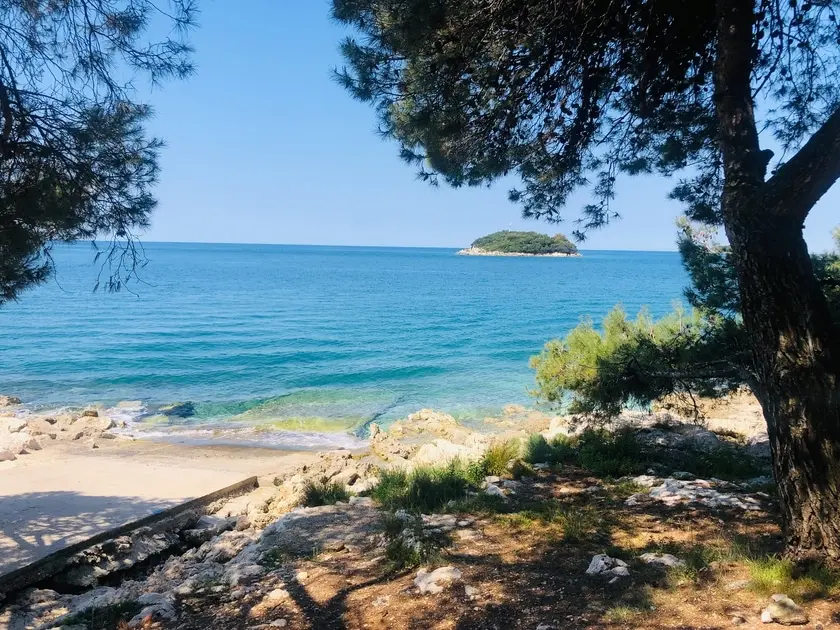
Split Photography Guide: Diocletian’s Palace and Dalmatian Street Life
The first time I walked through Diocletian’s Palace at dawn, camera in hand, I understood why Split captivates photographers. The early morning light filtered through the ancient Roman corridors, illuminating honey-colored limestone walls that have stood for 1,700 years. As I set up my tripod in the empty Peristyle, the central square of the palace, I was struck by the unique photographic challenge Split presents: how do you capture a living, breathing city that happens to exist within a UNESCO World Heritage Roman palace?
As a photographer who’s lived in Croatia since 2020, I’ve returned to Split countless times, exploring every angle of Diocletian’s Palace, hiking Marjan Hill for sunset panoramas, and immersing myself in the vibrant street life that defines this Dalmatian city. What makes Split photographically exceptional is its layers - Roman architecture forming the foundation of modern life, narrow medieval streets filled with contemporary cafes, ancient stone walls advertising modern boutiques. It’s a city where history and present collide in the most photogenic ways.
This comprehensive guide shares everything I’ve learned about photographing Split, from the technical camera settings that work best inside the palace’s dark corridors to the exact timing for capturing sunset from Marjan Hill. Whether you’re a professional photographer planning a dedicated shoot or a traveler wanting to document your Croatian adventure properly, you’ll discover practical techniques that come from extensive time exploring this remarkable city.
You’ll learn:
- How to photograph Diocletian’s Palace at different times of day for varying moods and light
- The best viewpoints from Marjan Hill for panoramic city photography
- Street photography techniques for capturing authentic Dalmatian life
- Market photography tips for Split’s vibrant Green Market
- Camera settings optimized for architectural and urban photography
- Day trip photography opportunities from Split (islands, fortresses, national parks)
- Seasonal considerations and crowd management strategies
- Practical logistics for photographers
Table of Contents
- Understanding Split’s Photographic Landscape
- Diocletian’s Palace: A Complete Photography Guide
- Marjan Hill: Elevated Perspectives
- Riva Promenade and Waterfront Photography
- Street Photography in Split
- Green Market Photography
- Beaches and Coastal Photography
- Day Trips for Photography
- Seasonal Photography in Split
- Practical Information for Photographers
Understanding Split’s Photographic Landscape
Before diving into specific locations and techniques, understanding what makes Split unique photographically helps you plan more effectively.
The Living Museum Unlike most Roman ruins behind ropes and fences, Diocletian’s Palace is a functioning city neighborhood. About 3,000 people live within the palace walls. Restaurants operate in ancient Roman basements, boutiques occupy medieval houses built into Roman structures, and residents hang laundry from windows in walls built by Emperor Diocletian. This creates extraordinary photography opportunities but also challenges - you’re photographing an active urban space, not a preserved monument.
Architectural Layers Split’s architecture spans 1,700 years:
- Roman (4th century): Diocletian’s Palace foundation, columns, cellars
- Medieval (9th-15th centuries): Buildings constructed within and atop Roman ruins
- Venetian (15th-18th centuries): Gothic and Renaissance influences
- Austro-Hungarian (19th century): Expansion beyond palace walls
- Modern (20th-21st centuries): Contemporary interventions and restorations
This layering creates visually complex scenes perfect for architectural photography that tells stories of time, adaptation, and continuity.
Light and Stone Split’s buildings are primarily constructed from local white limestone quarried from nearby Brač island. This stone has specific photographic characteristics:
- Highly reflective: Can blow out in harsh midday sun
- Warm tone: Takes on golden/honey hues in morning and evening light
- Texture: Weathers beautifully, creating interesting surfaces for detail photography
- Contrast: Creates strong light/shadow play in narrow streets
Understanding these qualities helps you time your photography and set exposure correctly.
Color Palette Split’s photographic colors revolve around:
- White/honey limestone: Dominant architectural tone
- Terracotta roof tiles: Warm reds and oranges visible from elevated viewpoints
- Azure Adriatic: Deep blue sea as constant backdrop
- Green Marjan: Forested peninsula providing natural contrast to urban stone
- Market colors: Vibrant produce adds splashes of red, green, yellow to market photography
Diocletian’s Palace: A Complete Photography Guide
The palace is Split’s photographic centerpiece and deserves detailed attention.
Historical Context for Better Photography
Built between AD 295-305 for Roman Emperor Diocletian’s retirement, the palace originally covered about 38,000 square meters. Understanding its structure helps you navigate and compose better:
- Rectangular layout: Four main gates (Golden, Silver, Bronze, Iron) mark cardinal directions
- Two main streets: Cardo (north-south) and Decumanus (east-west) intersect at the Peristyle
- Functional zones: Imperial quarters (southern half), service/military (northern half)
- Underground cellars: Mirror the layout of upper palace, now accessible for photography
The Peristyle: Heart of the Palace
The Peristyle is the palace’s central square and most iconic location.
Best Time to Photograph:
- Early morning (6:30-8:00 AM): Empty, soft light illuminates the eastern columns, magical quiet atmosphere
- Late afternoon (5:00-7:00 PM): Golden hour warm light on western columns and cathedral
- Blue hour (30 min after sunset): Palace illuminated, deep blue sky, fewer tourists than daytime
Camera Settings:
- Wide angle (16-24mm): Captures the square’s vertical drama - columns reaching skyward
- Aperture: f/8-f/11 for front-to-back sharpness
- ISO: 100-400 for daylight; 1600-3200 for evening/blue hour
- Bracketing: Essential for high-contrast scenes (bright sky, dark stone)
Composition Ideas:
- Symmetry: The Peristyle’s Egyptian sphinx and column arrangement create natural symmetry
- Vertical panorama: Shoot multiple images from ground to cathedral dome, stitch in post
- Human scale: Include people to show the monumental scale of columns
- Cathedral facade: Capture the Romanesque bell tower rising from medieval cathedral built into Roman structure
- Detail shots: Capitals of columns, sphinx weathered faces, stone texture
Challenges:
- Crowds: Summer midday is packed. Early morning or evening essential for clean shots
- Harsh midday light: Creates unflattering contrast on white stone
- Wide-angle distortion: Vertical lines lean (correct in post or use tilt-shift lens)
Cathedral of St. Domnius
Built into Diocletian’s original mausoleum, the cathedral combines Roman and medieval architecture.
Photography Opportunities:
- Bell tower climb: 200+ steps to panoramic Split views (35 kuna entry, worth it)
- Interior: Dark, requires high ISO (1600-3200) or tripod, beautiful Romanesque details
- Exterior: Best photographed from Peristyle showing full facade
Camera Settings:
- Interior: f/2.8-f/5.6 (fast lens needed), ISO 1600-6400, shoot RAW for shadow recovery
- Bell tower views: f/8-f/11, ISO 100-200, polarizing filter, wide-angle for panoramas
Best Light: Afternoon for exterior (sun from west illuminates facade), any time for interior (consistently dim)
Palace Cellars (Basement Halls)
The underground cellars mirror the palace’s upper layout and offer unique photography.
Why Photograph Here:
- Atmospheric: Stone vaulted ceilings, mysterious lighting, Game of Thrones filming location
- Less crowded: Fewer tourists than upper palace
- Year-round: Climate-controlled escape from summer heat or winter cold
Camera Settings:
- Aperture: f/2.8-f/4 (need fast lens for low light)
- ISO: 1600-6400 depending on ambient lighting
- Shutter speed: 1/60s minimum handheld; tripod ideal
- White balance: Adjust for artificial lighting (tungsten/LED mix)
Composition:
- Leading lines: Rows of columns create strong perspective
- Silhouettes: Backlit figures against bright doorways
- Texture: Ancient stone walls, weathering, historical graffiti
Tips: Entry fee required (55 kuna). Best in mid-afternoon when fewer visitors. Tripods allowed outside peak hours.
Palace Streets and Narrow Alleys
The medieval streets built within Roman walls create intimate photographic spaces.
Camera Approach:
- Focal length: 35mm or 50mm for natural street perspective; 16-24mm for tight spaces
- Aperture: f/4-f/5.6 for some depth while isolating subjects
- Shutter speed: 1/250s+ for candid street photography
- ISO: Auto ISO (400-3200) for varying light in narrow streets
What to Photograph:
- Architectural details: Weathered wooden doors, stone archways, window shutters, iron fixtures
- Daily life: Locals shopping, laundry hanging, cats in doorways, cafe scenes
- Contrasts: Ancient Roman walls with modern shops, historical architecture with contemporary life
- Looking up: Rooflines, sky framed by buildings, architectural layers
Best Streets:
- Dioklecijanova: Main east-west street through palace
- Ul. Kraj Svetog Ivana: Charming narrow alley with shops
- Ul. Bosanska: Less touristy, residential character
- Papalićeva ulica: Medieval palace street, architectural interest
Timing: Early morning (7-9 AM) for empty streets and soft light; late afternoon (5-7 PM) for golden hour glow on limestone.

Marjan Hill: Elevated Perspectives
Marjan Hill is Split’s green lung - a 178-meter forested peninsula offering the city’s best elevated photography viewpoints.
Accessing Marjan for Photography
From Old Town: Walk west along the Riva past Republic Square, then ascend stone staircases into the park (15-20 minute walk to first viewpoint).
By Car: Drive to higher viewpoints (Vidilica Cafe area), though parking is limited.
On Foot: Multiple trails of varying difficulty. Allow 45-60 minutes to reach Telegrin Peak (highest point).
Key Photography Viewpoints
1. First Viewpoint (Vidilica Lower)
- Elevation: ~50 meters
- Walk time: 15 minutes from old town
- View: Overlooks harbor, palace, old town, Riva
- Best time: Sunrise (6:00-7:30 AM summer) for eastern light on city
- Accessibility: Moderate stairs, suitable for most fitness levels
Camera Settings:
- Focal length: 24-70mm for city views; 70-200mm to compress harbor scene
- Aperture: f/8-f/11 for cityscape sharpness
- ISO: 100-400 depending on light
- Polarizing filter: Reduces atmospheric haze, deepens blue sky
2. Vidilica Cafe Viewpoint
- Elevation: ~100 meters
- Access: Drive or 30-minute walk
- View: Wider panorama of Split Bay, islands, mountains
- Best time: Sunset year-round; sunrise in summer
- Facilities: Cafe, benches, easier access for less mobile
Photography advantages: Higher elevation provides better perspective over buildings, see more islands (Brač, Šolta, Hvar), less obstructed foreground.
3. Telegrin Peak
- Elevation: 178 meters (highest point)
- Walk time: 40-60 minutes from old town
- View: 360-degree panorama - Split, islands, mountains, entire coast
- Best time: Sunset for west-facing views over islands
- Challenge: No facilities, requires fitness, can be crowded at sunset
Camera Settings for Panoramas:
- Aperture: f/11-f/16 for maximum depth of field
- Focal length: 24-35mm for wide coverage; or shoot panoramic stitch (50-70mm, 6-8 vertical images)
- Tripod: Essential for panorama stitching and maximum sharpness
- Polarizing filter: Mandatory - dramatically improves clarity and sky saturation
Composition Ideas:
- Rule of thirds: Place horizon on upper third with city below
- Foreground interest: Include pine trees, rocks, trail elements
- Leading lines: Use the coastline or mountain ridges to guide eye
- Silhouettes: People on viewpoint at sunset create scale and interest
Marjan Photography Trails
Beyond viewpoints, Marjan’s trails offer forest photography and hidden spots.
Forest Photography:
- Mediterranean pines: Twisted trunks, green canopy, dappled light
- Stone staircases: Historic steps through forest, architectural elements in nature
- Chapels: Small historic churches (St. Nicholas, St. Jerome) provide cultural subjects
Camera Approach:
- Focal length: 35-85mm for forest scenes
- Aperture: f/2.8-f/5.6 for selective focus on trees, shallow depth of field
- Light: Soft overcast days work beautifully for forest photography; golden hour creates dramatic shafts through trees
Jewish Cemetery Viewpoint: Historic cemetery on western Marjan offers quiet sunset viewpoint with island views, less crowded than Telegrin, respectful photography welcomed.
Timing Your Marjan Photography
Sunrise (Summer: 5:30-7:00 AM; Winter: 7:00-8:30 AM):
- Pros: Eastern light illuminates Split beautifully, cool temperatures, almost empty trails
- Cons: Early wake-up, need artificial light to hike in pre-dawn darkness (headlamp recommended)
- Best viewpoint: First viewpoint or Vidilica for eastern light
Sunset (Summer: 8:00-8:45 PM; Winter: 4:30-5:15 PM):
- Pros: Dramatic light over islands, warm tones on city, extended blue hour
- Cons: Crowded (especially summer), hot hike up in summer
- Best viewpoint: Telegrin Peak or Jewish Cemetery for western views
Blue Hour (30 min after sunset):
- City lights illuminate below, deep blue sky, magical atmosphere
- Requires tripod, higher ISO (800-3200), 2-10 second exposures
- Bring headlamp for descent in darkness
Riva Promenade and Waterfront Photography
The Riva is Split’s social heart - a palm-lined waterfront promenade stretching along the palace’s southern wall.
What Makes the Riva Photogenic
- Palm trees: Mediterranean atmosphere, frames for compositions
- Cafe culture: Outdoor terraces, people-watching, vibrant social scene
- Harbor: Boats, yachts, ferries, nautical elements
- Palace backdrop: Ancient Roman walls rising directly from promenade
- Activity: Street performers, locals, tourists, constant motion
Best Times to Photograph the Riva
Early Morning (6:30-8:30 AM):
- Empty terraces, cleaners setting up, joggers, peaceful atmosphere
- Soft eastern light illuminates palace walls
- Photograph without crowds
Camera Settings: f/5.6-f/8, ISO 100-400, 24-70mm lens
Golden Hour (Evening):
- Warm light on limestone palace walls and palm trees
- Cafes fill with people, vibrant atmosphere
- Boats in harbor catch golden light
Camera Settings: f/4-f/8, ISO 200-800 as sun sets, 35-70mm for people/atmosphere shots
Blue Hour:
- Cafe lights glow, palace illuminated, deep blue sky
- Requires longer exposures to balance ambient and artificial light
Camera Settings: f/5.6-f/8, ISO 1600-3200, 5-15 second exposures with tripod, or ISO 3200+ handheld at 1/60s+
Composition Ideas for the Riva
Wide Shots:
- Shoot from eastern end looking west along full length of promenade
- Include palm trees as foreground, palace as backdrop
- Show the scale and sweep of the waterfront
Detail Shots:
- Cafe tables with palace walls behind
- Palm fronds framing architectural elements
- Boat details with city background
- Street performers mid-act
People and Atmosphere:
- Candid moments: locals chatting, tourists posing, children playing
- Environmental portraits: cafe waiters, musicians, street artists
- Motion blur: People walking (1/15s shutter speed) with static architecture
From the Water:
- Rent a kayak or paddleboard for water-level view of Riva and palace
- Or photograph from departing ferry for receding cityscape view
Street Photography in Split
Beyond the palace, Split’s neighborhoods offer rich street photography opportunities.
Varoš: The Authentic Neighborhood
West of the palace, Varoš is Split’s traditional residential quarter.
Why Photograph Here:
- Authentic local life away from tourist crowds
- Narrow alleys, weathered buildings, washing lines, balconies
- Elderly locals, neighborhood cafes, small shops
- Real Split, not the tourist performance
Camera Approach:
- Focal length: 35mm or 50mm for natural street perspective
- Aperture: f/2.8-f/5.6 for selective focus
- Shutter: 1/250s+ for candid moments
- ISO: Auto ISO 400-3200 for varying light in narrow streets
- Be respectful: This is people’s homes; ask before photographing individuals
What to Capture:
- Architectural details: Shutters, doorways, balconies, street textures
- Daily rituals: Elderly men playing cards, women shopping, neighbors chatting
- Cats: Split has abundant street cats - easy, charming subjects
- Contrasts: Old and new, tradition and modernity
Best Time: Mid-morning (9-11 AM) when residents are active but not yet siesta; or late afternoon (5-7 PM) when streets come alive after heat subsides.
Fruit Square (Voćni Trg) and Surroundings
North of the palace, this charming square offers Venetian Gothic architecture and morning market activity.
Photography Opportunities:
- Venetian Tower: Octagonal 15th-century tower, architectural landmark
- Morning market: Flowers, produce, local sellers (earlier than main Green Market)
- Cafe culture: Traditional konobas, outdoor seating, local character
Camera Settings: f/5.6-f/8, ISO 200-800, 24-50mm lens range
People’s Square (Pjaca)
The medieval center of Split outside the palace walls.
Photogenic Elements:
- Clock tower: Gothic structure with working 15th-century mechanism
- Renaissance architecture: Venetian-influenced buildings, arcades
- Cafe terraces: Social life, people-watching opportunities
Best Light: Morning (eastern light) or late afternoon; avoid harsh midday
Green Market Photography
Split’s Green Market (Pazar), operating since 1926, offers vibrant photo opportunities.
When to Photograph the Market
Early Morning (7:00-9:00 AM) - BEST TIME:
- Vendors setting up, produce freshest and most photogenic
- Soft morning light enters the covered sections
- Fewer shoppers, easier to move and compose shots
- Authentic market atmosphere before tourist rush
Mid-Morning (9:00-11:00 AM):
- Busiest period, energetic atmosphere
- More challenging due to crowds but captures market vitality
- Good for people and interaction photography
After Noon: Market winds down, less photogenic, many vendors packing up
What to Photograph
Produce Displays:
- Color groupings: Red tomatoes, green vegetables, yellow peppers
- Abundance: Overflowing baskets, piles of fruit, visual feast
- Patterns: Repetition of similar items creates graphic compositions
Vendors and People:
- Weathered faces: Elderly vendors, character and stories
- Hands: Working hands arranging produce, accepting money, weighing items
- Interactions: Vendor-customer exchanges, haggling, shopping rituals
Details:
- Textures: Rough vegetables, shiny peppers, delicate herbs
- Signs: Handwritten price tags, Croatian text, local character
- Traditional elements: Wicker baskets, weighing scales, wooden crates
Camera Settings for Market Photography
General Settings:
- Focal length: 35mm or 50mm for environmental shots; 85mm for portraits with compression
- Aperture: f/4-f/5.6 (some depth while isolating subjects)
- ISO: 400-1600 (covered market areas are darker)
- Shutter: 1/250s for freezing activity; 1/125s minimum
Close-up Produce:
- Focal length: 50-100mm macro or close-focusing capability
- Aperture: f/2.8-f/4 for selective focus, blurry background
- ISO: 200-800
- Fill light: Reflect light with white card if shadows too deep
Market Photography Etiquette
- Ask Permission: Gesture toward camera and smile; most vendors are friendly if approached respectfully
- Buy Something: If you photograph extensively, purchase produce as courtesy and to get props
- No Flash: Abundant natural light; flash is intrusive and creates harsh lighting
- Don’t Obstruct Business: Step aside when customers are shopping
- Learn Basic Croatian: “Mogu li fotografirati?” (May I photograph?) helps tremendously
Composition Tips
- Get low: Shoot from table height or below to show vendor perspective
- Use negative space: Don’t cram frame; let colors breathe
- Include context: Show market structure, other vendors, shoppers in background
- Leading lines: Market aisles create natural perspective lines
- Rule of thirds: Position key elements (vendor faces, produce piles) at intersection points
Beaches and Coastal Photography
Split offers urban beach photography with city backdrop.
Bačvice Beach
Split’s most famous beach, sandy bottom, shallow water, city views.
Photography Opportunities:
- Picigin: Traditional Croatian ball game played in shallow water, dynamic action photography
- Urban beach scene: City skyline as backdrop to beach activities
- Sunset: West-facing, beautiful evening light on water
Camera Settings:
- Action (picigin): 1/500s+ shutter, f/5.6, ISO 400-800, continuous shooting mode
- Landscape: f/8-f/11, ISO 100-400, polarizing filter for water clarity
- Sunset: Bracket exposures, f/8-f/16, tripod
Best Time: Late afternoon (4-7 PM) for light and activity; summer weekends for picigin games
Firule and Žnjan Beaches
East of city center, less touristy, more local character.
Photography: Morning light, pine trees meeting beach, residential Split backdrop, quieter for compositions
Sustipan Park
Coastal park south of old town with abandoned buildings, pines, rocky coast.
Photography Opportunities:
- Sunset viewpoints facing west
- Abandoned architecture with nature reclaiming
- Coastal paths, pine forests
- Less crowded alternative to Marjan
Day Trips for Photography
Split is an excellent base for photography day trips.
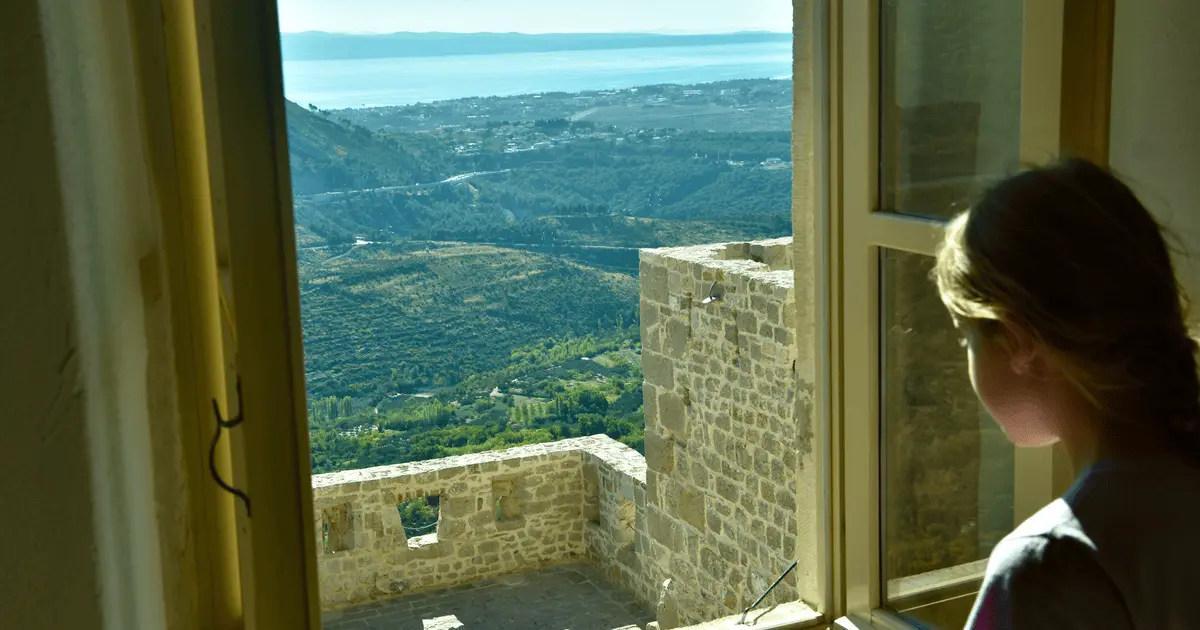
Klis Fortress (15km)
Medieval fortress on cliff above Split with panoramic views.
Photography:
- Viewpoint: Entire Split Bay, islands, mountains, dramatic elevation
- Fortress: Game of Thrones filming location, medieval architecture, battlements
- Best time: Morning (9-11 AM) for east light on fortress; late afternoon for warm light
Access: 20-minute drive from Split or bus #22; entry fee 60 kuna
Camera Settings: Wide-angle (16-35mm) for sweeping views, f/8-f/11, polarizer essential
Nearby Islands (Brač, Šolta, Hvar)
Daily ferries from Split enable island photography day trips.
Brač: Bol’s Zlatni Rat beach (most photographed beach in Croatia), Vidova Gora viewpoint, stone villages
Šolta: Quiet island, authentic fishing villages, olive groves, fewer tourists
Hvar: Lavender fields (June-July), Hvar Town, Pakleni Islands - see our complete Hvar photography guide
Trogir (30km)
UNESCO World Heritage medieval town.
Photography: Compact old town, Romanesque cathedral, waterfront, less crowded than Split, detailed architectural photography
Access: 30-minute drive or local bus
Salona and Kaštel Villages
Roman ruins (Salona) and medieval coastal castles (Kaštel).
Photography: Archaeological photography, coastal fortress architecture, local life
Seasonal Photography in Split
Spring (March-May)
Advantages:
- Fewer crowds (especially March-April)
- Comfortable temperatures (15-22°C)
- Flowers blooming in Marjan Park
- Soft, beautiful light
Challenges:
- Weather unpredictable (rain possible)
- Some businesses closed early season
- Sea still cold for coastal shots
Best for: Architecture, street photography, market photography without crowds
Summer (June-August)
Advantages:
- Vibrant beach scenes and harbor activity
- Long days (sunset 8:30 PM)
- All facilities open
- Lively atmosphere
Challenges:
- Intense crowds (especially July-August)
- Harsh midday sun
- Very hot (28-35°C)
- Expensive
Best for: Beach photography, blue hour photography (late sunset), vibrant street life
Photographer’s Tip: Shoot early morning (6-9 AM) and late evening (7-9 PM) to avoid crowds and heat
Autumn (September-October)
Advantages:
- Crowds diminish after mid-September
- Warm, beautiful light quality
- Comfortable temperatures (20-26°C)
- Sea still warm
Challenges:
- Some businesses start closing October
- Weather more variable in late October
Best for: All-around photography season - my personal favorite
Winter (November-February)
Advantages:
- Empty tourist sites
- Moody, atmospheric conditions
- Local life photography without tourists
- Cheaper accommodations
Challenges:
- Short days (sunset 4:30-5:30 PM)
- Cold, rain, occasional snow
- Many tourist facilities closed
- Unpredictable weather can trap you indoors
Best for: Atmospheric photography, empty palace shots, authentic local life
Practical Information for Photographers
Getting to Split
By Air: Split Airport (20km west), connections to European cities, airport shuttle bus to city (30 kuna, 30 min)
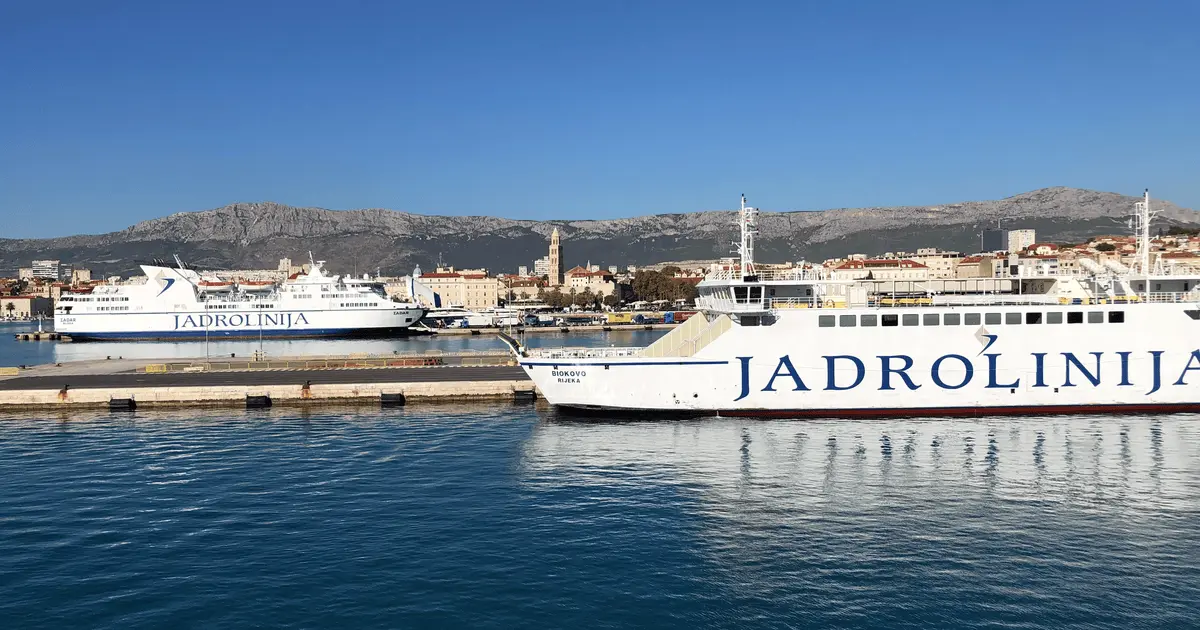
By Ferry: From Italian cities (Ancona), Croatian islands
By Bus: From Zagreb (4.5 hours), Dubrovnik (4 hours), other Croatian cities
Getting Around Split
On Foot: Old town and central areas easily walkable; palace car-free
Bus: Good city bus system; #12 goes to Marjan entrances
Taxi/Uber: Available, relatively affordable for longer distances
Car: Useful for Klis, Salona, Trogir, but parking difficult in old town
Where to Stay for Photography
Old Town/Palace: Most convenient for palace photography, restaurants, but noisy, expensive, parking difficult
Varoš: Authentic neighborhood, quieter, budget-friendly, walk to attractions
Near Bačvice: Beach access, walk to old town, good value
Marjan Area: Quiet, nature access, need transport to old town
Photography Gear for Split
Essential:
- Wide-angle (16-35mm): Palace streets, viewpoints, architecture
- Standard zoom (24-70mm): Versatile street, market, general photography
- Fast prime (35mm or 50mm f/1.8 or f/1.4): Palace interiors, low light, street photography
Helpful:
- Telephoto (70-200mm): Marjan viewpoints, compressing island views, architectural details
- Circular polarizer: Essential for coastal photography, reduces haze, deepens sky
- ND filter (ND8-ND64): Long exposures, smoothing crowds in palace
- Lightweight tripod: Sunset, blue hour, long exposures
Protection:
- Lens cloth: Coastal humidity, summer heat
- Rain cover: Spring/autumn rain protection
- Comfortable bag: Lots of walking, stairs
Split Photography Etiquette
Diocletian’s Palace: It’s a neighborhood - respect residents’ privacy, don’t photograph into private residences
Churches: No flash, respectful attire, sometimes no photography during services
People: Ask permission for close portraits, especially elderly locals
Drones: Restricted in old town and near airport; check regulations, generally not worth the hassle
📸 Key Takeaways for Split Photography
Master Diocletian’s Palace
- Early morning (6:30-8:30 AM) is best for empty palace photography
- Wide-angle lens (16-24mm) essential for narrow palace streets
- High ISO capability needed for dark corridors and cellars
- Blue hour offers illuminated palace with fewer crowds
Marjan Hill is Essential
- Telegrin Peak provides the ultimate panoramic Split view
- Sunset photography from Marjan requires arriving 30+ minutes early
- Polarizing filter dramatically improves cityscape clarity
- Bring headlamp for post-sunset descent in darkness
Street and Market Photography
- Green Market best 7-9 AM for soft light and freshest produce
- Varoš neighborhood offers authentic Split beyond tourist areas
- Always ask permission before photographing market vendors
- 35mm or 50mm lens ideal for natural street photography perspective
Seasonal Strategy
- Spring (April-May) and autumn (September-October) offer best light/crowd balance
- Summer requires shooting early morning and evening to avoid crowds and harsh light
- Winter provides empty palace but short days and unpredictable weather
Technical Essentials
- Limestone architecture is highly reflective - watch for blown highlights
- Bracket exposures in high-contrast palace scenes
- Shoot RAW for maximum editing flexibility with challenging light
- Modern cameras’ high ISO (1600-3200) enables handheld palace photography
Respect the Living City
- Diocletian’s Palace is home to 3,000 residents - respect their privacy
- Be discreet with tripods in crowded areas
- Support local vendors you photograph at the market
- Photograph responsibly in residential neighborhoods
The beauty of Split photography lies in the extraordinary juxtaposition of ancient Roman grandeur with contemporary Dalmatian life. When your photos capture the morning light streaming through Diocletian’s columns, the vibrant chaos of the Green Market, the panoramic sweep of islands from Marjan Hill, and the authentic moments of daily life in the palace’s narrow streets, you’ve succeeded in telling Split’s unique story - a city where 1,700 years of history isn’t preserved behind glass, but lived in, worked in, and celebrated every single day.
FAQ
Q: What is the best time to photograph Diocletian’s Palace?
A: As a photographer who’s spent countless mornings and evenings in Diocletian’s Palace, the best time is early morning (6:30-8:30 AM) when the stone corridors are empty, light is soft, and you have the UNESCO site largely to yourself. The Peristyle (central square) catches beautiful morning light that illuminates the ancient columns. Evening (5-7 PM) also works well for golden hour light on the palace’s southern facade along the Riva. Avoid midday when harsh overhead sun creates unflattering shadows in the narrow streets and courtyards. For blue hour photography with the palace illuminated, shoot 30 minutes after sunset. Use f/8-f/11 for architectural sharpness, ISO 100-400 depending on light, and a wide-angle lens (16-24mm) for tight spaces.
Q: Where are the best viewpoints for photographing Split from above?
A: From my experience photographing Split from elevated positions, Marjan Hill offers the premier viewpoints. My favorites are: (1) Telegrin Peak (178m) - highest point with 360-degree views of Split, islands, and mountains. Hike 30-40 minutes from Riva, perfect for sunset. (2) Vidilica Cafe viewpoint - accessible by car or short hike, panoramic city views, excellent for sunrise photography. (3) First Marjan viewpoint - 15-minute walk from old town, overlooks harbor and palace, less crowded. (4) Klis Fortress (15km away) - dramatic elevated perspective of entire Split Bay, Game of Thrones filming location. For Marjan viewpoints, use f/11-f/16 for maximum sharpness across the cityscape, polarizing filter to reduce haze, shoot golden hour for warm light on the city’s terracotta roofs.
Q: What camera settings work best for Split’s architecture?
A: For Split’s architecture, especially inside Diocletian’s Palace, I typically use these settings: Aperture f/8 to f/11 for maximum sharpness and depth of field (essential for ancient architecture where you want every detail sharp). ISO varies dramatically - ISO 100-200 outdoors in daylight, but ISO 800-3200 inside the palace’s darker corridors and cellars. Wide-angle lens (16-35mm) is crucial for the narrow palace streets and confined spaces like the cathedral interior. A polarizing filter helps control reflections on the limestone walls and deepens the blue Adriatic sky. For interior palace photography, bracket exposures since the contrast between bright courtyards and dark corridors exceeds camera dynamic range. Shoot in RAW format to preserve details in highlights (bright stone) and shadows (dark doorways). A tripod helps inside dark spaces but attracts attention - consider a small tabletop tripod or brace against walls.
Q: How do I photograph Split’s Green Market effectively?
A: Split’s Green Market (Pazar) is best photographed in early morning (7-9 AM) when vendors are setting up, produce is freshest, and morning light is soft. I arrive around 7:30 AM for optimal conditions. Use a 35mm or 50mm lens for environmental market shots showing context, or 85mm for tighter vendor portraits with background compression. Aperture f/4-f/5.6 provides enough depth of field while creating pleasing background blur. Always ask vendors permission before photographing them - a smile and gesture toward your camera usually works. Buy something from vendors you photograph extensively (it’s courteous and gives you props). Capture color groupings (red tomatoes, green vegetables), hands arranging produce, weathered vendor faces, and the market’s energy. The undercover fish market section requires higher ISO (800-1600) due to lower light. Avoid flash - natural light is abundant and more flattering.
Q: What are Split’s most photogenic locations beyond Diocletian’s Palace?
A: Beyond the palace, Split offers diverse photography opportunities I’ve explored extensively: (1) Riva Promenade - palm-lined waterfront at sunset with boats, palace backdrop, cafe culture. (2) Marjan Hill forest trails - Mediterranean pines, stone staircases, Jewish Cemetery viewpoint, quiet natural beauty within the city. (3) Fruit Square (Voćni trg) - charming square with Venetian tower, morning market activity, local life. (4) Varoš neighborhood - authentic residential area with narrow alleys, washing lines, cats, elderly locals. (5) Pjaca (People’s Square) - Gothic and Renaissance architecture, clock tower, cafe terraces. (6) Bačvice Beach - urban beach photography with city backdrop. (7) Sustipan Park - coastal park with abandoned buildings, pine forests, sunset viewpoints. Each location works best at different times - I can provide specific timing and settings for each.
Q: Can I use a tripod inside Diocletian’s Palace?
A: Technically, tripods are allowed in the public areas of Diocletian’s Palace since it’s a living city neighborhood, not a museum. However, practical considerations apply. In narrow palace streets during busy hours, tripods obstruct foot traffic and draw attention. I recommend: (1) Use a small, lightweight tripod during early morning (before 8 AM) when streets are empty. (2) For daytime shooting, use high ISO (1600-3200) and fast lenses (f/2.8 or wider) instead of tripods. (3) Brace against walls or use doorways for stability. (4) A small tabletop tripod or gorillapod is more discreet and versatile in tight spaces. (5) In the Cathedral of St. Domnius and Palace cellars (paid attractions), ask staff about tripod policy - often allowed if not crowded. Image stabilization in modern cameras makes handholding feasible at surprisingly slow shutter speeds (1/30s or slower with practice and bracing).
Q: What is the best season for photography in Split?
A: Having photographed Split across all seasons, each offers unique advantages: Spring (April-May) brings fewer crowds, comfortable temperatures (15-22°C), spring flowers in Marjan Park, and softer light. Perfect for architectural photography without tourist interference. Summer (June-August) offers vibrant beach and harbor scenes, long days (sunset around 8:30 PM), and lively street atmosphere, but intense midday sun and overwhelming crowds challenge photography. Autumn (September-October) is my personal favorite - crowds diminish after mid-September, light becomes warmer and softer, temperatures remain pleasant (18-25°C), and the sea is still warm for coastal shots. Winter (November-March) has dramatic storm photography opportunities, moody atmospheric conditions, empty tourist sites, but short days and unpredictable weather. For first-time photographers, I recommend May or late September-early October for optimal balance of weather, light, and manageable crowds.
Q: How do I photograph street life in Split authentically?
A: Authentic Split street photography requires understanding local rhythms and respecting cultural norms. Key tips from my years photographing here: (1) Timing - Early morning (7-9 AM) captures authentic daily life: elderly locals shopping at markets, cafe owners setting up, fishermen at the harbor. Avoid peak tourist hours (10 AM-4 PM). (2) Locations - Varoš neighborhood, Green Market, Fruit Square, residential areas west of the palace show real Split life beyond tourist zones. (3) Approach - Build rapport before photographing people. Croatians are generally warm but value privacy. Ask permission for portraits, smile, show photos afterward. (4) Camera settings - 35mm or 50mm lens for natural perspective, f/2.8-f/5.6 for selective focus, shutter speed 1/250s+ to freeze movement, be ready for candid moments. (5) Be discreet - Street photography works best when you’re observant but not intrusive. Shoot from the hip occasionally, use smaller cameras, blend into cafe scenes.
💙 Support My Photography Work Enjoy these guides? Support me on Patreon to help create more in-depth photography content! 🙏